
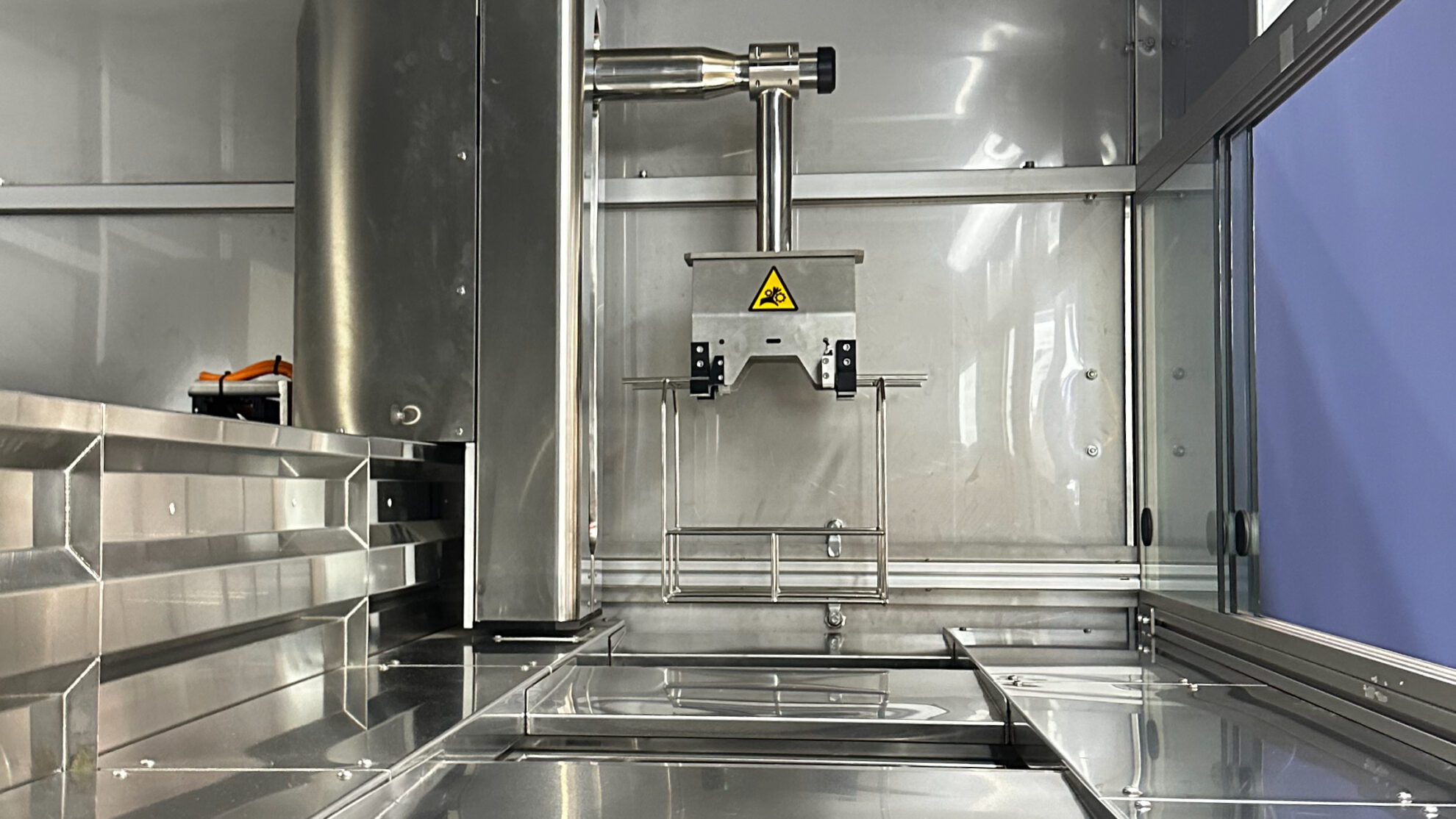
The Hidden Physics of Microscopic Hygiene
Beyond Visual Cleanliness: The Sensitivity of High-Tech Components
In the realm of advanced manufacturing, the components utilized within controlled environments require a level of handling that vastly exceeds the standards of everyday mechanical parts. Components such as quartz products used in semiconductor processing, pneumatic devices, and microscopic electronic elements are designed with excruciating precision. For these items, "cleanliness" is not merely about the absence of visible dust or grime; it is a fundamental engineering requirement. The adhesion of even a single invisible particle or a trace of chemical residue can compromise the entire product batch, leading to catastrophic quality failures. Consequently, the industrial definition of purity exists in a dimension entirely separate from aesthetic cleanliness.
This challenge is particularly acute in components with mechanical moving parts or complex geometries. These areas are prone to accumulating microscopic debris, which can subsequently generate particulate matter during operation, turning the component itself into a contamination source. Understanding the specific material properties and structural intricacies of each part is essential. Engineers must recognize that a polished surface may still harbor molecular contaminants that inhibit performance. Therefore, the management of these components requires a deep understanding of tribology—the science of wear, friction, and lubrication—combined with rigorous hygiene protocols. It is about ensuring that the component interacts with its environment exactly as intended, without the interference of foreign matter that could alter electrical conductivity, optical clarity, or chemical neutrality.
Restoring Functionality Through Chemical Rejuvenation
Addressing the challenges of contamination requires more than simple washing; it demands a scientifically grounded process of precision refurbishment. This is not a matter of rinsing with water or generic detergents. Instead, it involves the application of chemically engineered fluids specifically formulated to match the substrate of the component and the nature of the contaminant. The goal is to purify the surface at a nano-level, stripping away impurities without altering the dimensional tolerances or surface finish of the part itself. For components that have undergone surface changes or wear due to rigorous use, this process often involves re-coating or restorative treatments that return the item to its original specifications.
This chemical approach is vital for the economic sustainability of high-tech manufacturing. High-precision components used in regulated environments are often prohibitively expensive. Replacing them every time they show signs of contamination is financially unsustainable and increases the total cost of ownership (TCO). By utilizing advanced chemical processes to "rejuvenate" these parts under strict ISO-compliant conditions, facilities can extend the lifecycle of their equipment significantly. This practice not only ensures consistent performance but also aligns with broader sustainability goals by reducing waste. Comprehensive traceability—knowing exactly how a part was cleaned, with what chemistry, and under what conditions—allows manufacturers to trust refurbished parts as implicitly as new ones. Thus, modern cleaning is effectively a form of functional restoration, serving as the backbone of reliability for sophisticated industrial machinery.
| Feature | Physical Cleaning (Traditional) | Chemical Rejuvenation (Advanced) |
|---|---|---|
| Primary Mechanism | Mechanical removal (scrubbing, spraying) | Molecular interaction (dissolution, reaction) |
| Target Contaminants | Visible dust, heavy grease, macro-particles | Molecular residue, ionic contamination, oxidation |
| Impact on Substrate | Risk of micro-scratches or abrasion | Preserves surface integrity and tolerances |
| Lifecycle Effect | Limited extension; purely maintenance | Significant extension; restores original specs |
| Application Scope | General machinery, exterior housing | Semiconductor parts, optics, medical devices |
Chemical Innovations and Non-Invasive Sterilization
Invisible Barriers: Surface Treatments and Coating Technologies
A transformative shift is occurring in how containment vessels and internal components are managed, particularly within sectors requiring absolute sterility. The focus has moved beyond reactive cleaning to proactive surface engineering. Advanced hydrophobic coatings are now being applied to the interior surfaces of glass containers and processing equipment. These coatings create a physical barrier at the molecular level, preventing the contents from interacting with the container walls. In pharmaceutical contexts, for example, this technology prevents delicate proteins from adsorbing onto glass surfaces, thereby ensuring that the potency and stability of the enclosed medication are maintained at near-perfect levels.
Simultaneously, the industry is witnessing the rapid adoption of "Ready-to-Use" (RTU) platforms. This paradigm shift allows manufacturing and pharmaceutical facilities to bypass the laborious and risk-prone stages of initial washing and sterilization upon receipt of goods. By integrating components that are pre-sterilized and surface-treated, operational efficiency is dramatically improved. This approach fundamentally changes the philosophy of contamination control: instead of focusing solely on how to kill bacteria or remove dirt, the strategy evolves into preventing contamination from occurring in the first place. By reducing the number of handling steps and intervention points, the potential for human error is minimized, establishing a new standard where material science actively contributes to process hygiene.
The Shift to Next-Generation Surfactants and Bio-Safe Agents
The chemistry of cleaning agents is undergoing a quiet revolution, driven by the dual needs of high-speed automation and environmental stewardship. Traditional industrial cleaners often relied on harsh solvents or high-foaming detergents that, while effective, posed challenges for modern machinery and wastewater treatment. The latest advancements in non-ionic surfactants have solved the "foam problem." Low-foaming agents are crucial for high-velocity wash systems, as excess foam can cavitate pumps and leave residues that require extensive rinsing. By utilizing advanced chemical structures, these new agents provide superior wetting and emulsification of oils without the operational headaches of foam management, allowing production lines to run faster and more efficiently.
Furthermore, the introduction of Hypochlorous Acid (HOCl) and biodegradable fatty acid alkanolamides represents a leap forward in balancing efficacy with safety. HOCl, a substance naturally produced by the human immune system, offers potent antimicrobial properties without the toxicity associated with traditional biocides. It is becoming a staple in diverse applications, from water treatment in manufacturing plants to surface disinfection in food processing. This shift allows for frequent, safe decontamination cycles without requiring heavy protective gear for operators or risking chemical burns. In parallel, the move away from chlorinated solvents in heavy industry—such as automotive degreasing—towards volatile organic compound (VOC)-free formulas ensures that parts are degreased and dried instantly without leaving residues that could interfere with subsequent bonding or painting processes.
Engineering Reliability Across Diverse Industries
From Automotive Degreasing to Aerospace Precision
In the high-stakes world of automotive manufacturing and heavy machinery maintenance, precision degreasing is the lifeline of quality assurance. The presence of even a microscopic film of oil or particulate on a brake component or engine cylinder can lead to catastrophic mechanical failure. Historically, this sector relied on chlorinated solvents which, despite their cleaning power, carried significant environmental and health liabilities. Today, the industry has transitioned to non-chlorinated, fast-drying chemical solutions designed to dissolve complex greases instantly. The critical performance metric here is "residue-free drying." Modern cleaners are engineered to evaporate completely after lifting contaminants, eliminating the need for secondary wiping and ensuring that the surface is chemically primed for assembly or coating.
This obsession with purity reaches its zenith in the aerospace and satellite sectors. Here, the standards are governed by the unforgiving nature of the space environment. Optical instruments and sensors destined for orbit must be assembled in ISO-certified cleanrooms where the margin for error is zero. A single particle on a lens or a trace of outgassing material can obscure vision or degrade sensor performance, rendering a multi-million dollar mission useless. Consequently, the aerospace industry employs a "total process" approach to cleaning. It is not just about the final wipe; it involves the rigorous management of every tool, garment, and fluid that enters the assembly environment. The expertise developed in these extreme conditions—such as vacuum-baking parts to remove volatile residues—is increasingly trickling down to terrestrial industries, raising the bar for industrial cleanliness globally.
The Infrastructure of Mega-Fabs and Research Facilities
As manufacturing scales up to the level of "Mega-Fabs"—massive facilities dedicated to semiconductor or battery production—the challenge of cleanliness shifts from individual parts to the entire infrastructure. In these colossal environments, maintaining Class 1 to Class 10 air purity requires a holistic engineering approach. It is not sufficient to simply filter the air; the facility itself must be treated as a precision instrument. This includes managing the vibrations of utility equipment to under 2 microns to prevent particle generation and ensuring that the supply lines for ultra-pure water and inert gases are constructed from materials that do not leach impurities.
The maintenance of such facilities requires a specialized class of hygiene management. The piping systems, HVAC units, and thermal management systems are critical arteries that, if contaminated, can compromise the yield of the entire factory. For instance, in nanotech research facilities and pharmaceutical screening labs, the environment must be chemically inert. The slightest background contamination can skew experimental data or ruin compound libraries. Therefore, the cleaning protocols in these facilities are rigorous, often utilizing high-purity solvents and specialized tools designed to operate within the sterile field without shedding particles. This convergence of mechanical engineering, chemical management, and strict operational protocol defines the modern Mega-Fab, ensuring that mass production does not come at the cost of microscopic precision.
| Cleaning Objective | Recommended Methodology | Key Considerations |
|---|---|---|
| Particulate Removal | Ultrasonic agitation with aqueous solutions | Frequency must match part fragility to avoid cavitation damage. |
| Organic Residue (Oils/Grease) | Vapor degreasing or solvent immersion | Requires compatible solvency power; focus on residue-free drying. |
| Bio-Burden Control | HOCl misting or UV-C exposure | Ensure shadow areas are reached; material compatibility with oxidizers. |
| Surface Activation | Plasma cleaning or acid etching | Alters surface energy for bonding; strictly controlled exposure time. |
Q&A
-
What are Cleanroom Parts Cleaning Solutions and why are they important?
Cleanroom Parts Cleaning Solutions refer to specialized cleaning methods and products designed to remove contaminants from components used in cleanroom environments. These solutions are important because they ensure that parts are free from particles, residues, and microorganisms that could compromise the sterile conditions required in sensitive manufacturing and research settings.
-
How does Sterile Component Cleaning differ from regular cleaning processes?
Sterile Component Cleaning involves the use of techniques and products that not only clean but also sterilize components, ensuring they are free from any viable microorganisms. This process is crucial in industries such as pharmaceuticals and biotechnology, where maintaining sterility is essential for product safety and compliance with regulatory standards.
-
What role do Precision Cleaning Systems play in contamination control?
Precision Cleaning Systems are designed to provide meticulous cleaning of parts and surfaces to remove even the smallest contaminants. These systems are vital in contamination control as they help maintain the integrity of cleanroom environments, ensuring that products meet stringent quality and safety standards, particularly in sectors like aerospace and electronics manufacturing.
-
What are some common Cleanroom Maintenance Tools used in contamination control cleaning?
Common Cleanroom Maintenance Tools include specialized mops, wipes, vacuums, and HEPA-filtered cleaning equipment. These tools are specifically designed to minimize particle generation and effectively remove contaminants, thereby supporting ongoing contamination control efforts in cleanroom facilities.
-
Why are Industrial Cleaners essential in maintaining cleanroom standards?
Industrial Cleaners are formulated to tackle heavy-duty cleaning tasks while being safe for use in cleanroom environments. They are essential in maintaining cleanroom standards as they help remove stubborn residues and contaminants from surfaces and equipment, ensuring that cleanrooms remain compliant with cleanliness and sterility requirements.
References:
- https://portersfiveforce.com/blogs/how-it-works/wonikquartz
- https://certified.greenseal.org/products/General+Purpose+Cleaners/All+Purpose
- https://midwestproductionsupply.com/product-category/clean-room-supplies/cleanroom-disinfectants/?srsltid=AfmBOordsslN1238faMCWHMMSsvaN1jY22VhJv0owwNrNkmWFKecKZLP