
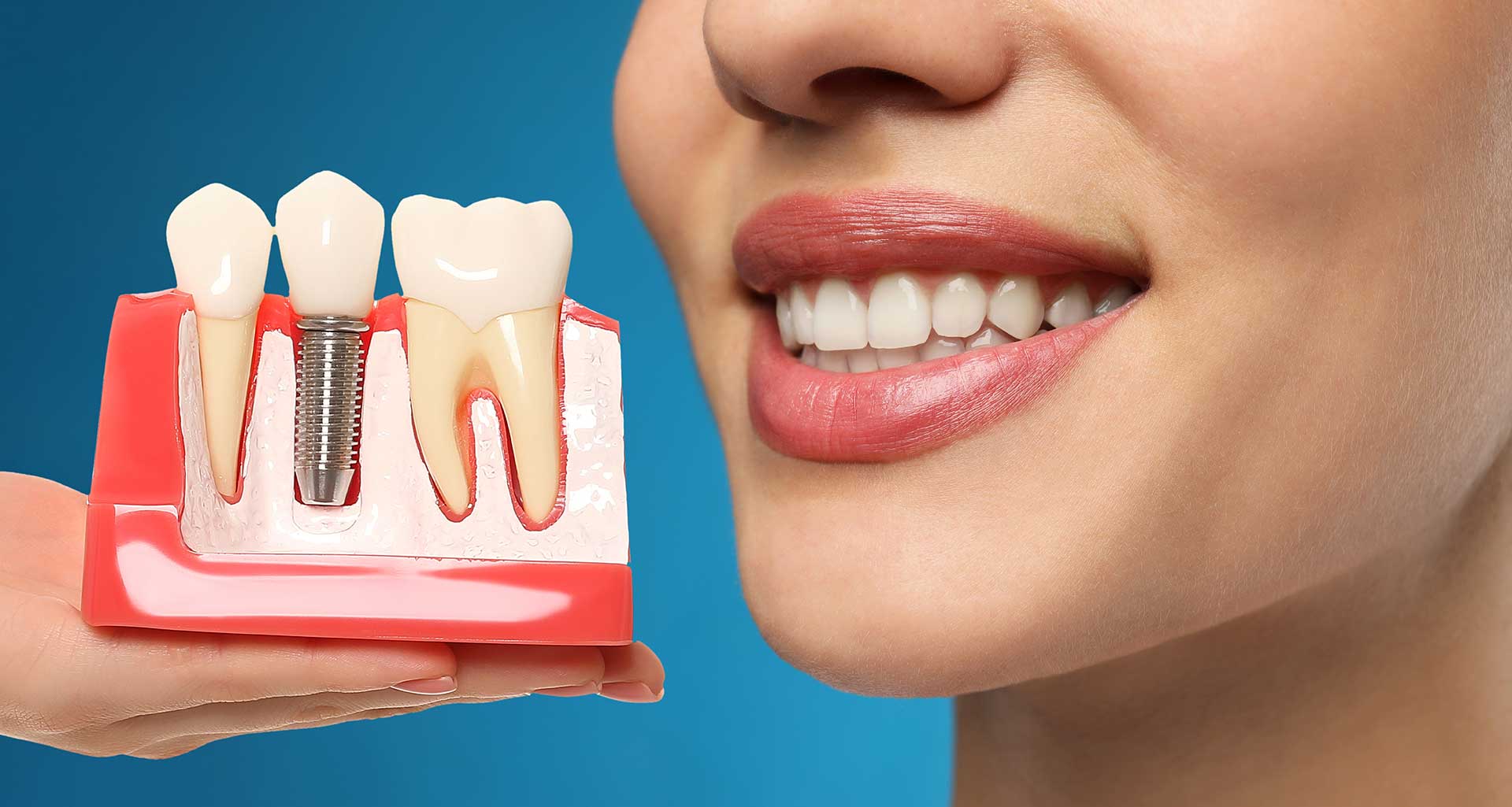
Understanding Dental Implants
Dental implants are artificial tooth roots made typically of titanium, surgically placed into the jawbone to hold a replacement tooth or bridge. They are favored for their durability and ability to mimic the appearance and function of natural teeth.
Types of Dental Implants
-
Endosteal Implants: Endosteal implants are the most commonly used, inserted directly into the jawbone for maximum stability. They provide strong support for crowns, bridges, or dentures. Suitable for patients with healthy jawbones, they require a healing period before the final prosthetic is placed.
-
Subperiosteal Implants:These implants rest on top of the jawbone but beneath the gum tissue, making them ideal for patients with insufficient bone height who cannot undergo bone grafting. A custom metal framework holds the artificial teeth, offering a viable alternative when traditional implants are not feasible.
-
All-on-4 Implants: This technique involves placing four strategically positioned implants to support an entire arch of teeth, reducing the need for multiple individual implants. It is an excellent option for those with extensive tooth loss, providing immediate functionality and a shorter recovery time compared to traditional methods.
The process of getting dental implants involves several stages, typically spanning several months:
-
Consultation and Planning: The process begins with a thorough dental examination, including X-rays or 3D scans, to assess bone density and oral health. The dentist creates a customized treatment plan, considering factors like gum condition, bite alignment, and overall dental history.
-
Implant Placement: During the surgical phase, the dentist makes an incision in the gum to expose the bone and carefully inserts the titanium implant. The area is then stitched closed, and healing begins. Local anesthesia or sedation ensures a painless experience for the patient.
-
Healing and Osseointegration: Over several months, the jawbone naturally fuses with the implant in a process called osseointegration. This step is crucial for providing a stable foundation for the artificial tooth. Patients must follow post-surgical care instructions to promote healing and prevent complications.
-
Abutment and Crown Placement: Once the implant has fully integrated with the bone, a small connector called an abutment is attached. A custom-made crown, designed to match the color and shape of the natural teeth, is then placed on top, completing the restoration with a functional and aesthetically pleasing result.
Cost Considerations and Financial Assistance
The cost of dental implants can vary based on several factors, including geographical location, dentist expertise, and the complexity of the procedure. On average, a single implant can range from $1,000 to $3,000.
Financial Options
-
Dental Insurance: Although many insurance plans classify implants as elective procedures, some provide partial coverage for specific aspects of the treatment, such as extractions, bone grafting, or crowns. Policies vary significantly, so it's essential to review your coverage and confirm what portion of the costs will be reimbursed by your provider. Some plans also have waiting periods or annual limits that may affect eligibility.
-
Grants and Clinical Trials: Some nonprofit organizations, universities, and research institutions offer grants or access to clinical trials where patients can receive implants at a reduced cost. These programs often prioritize individuals with significant dental issues or financial constraints. While clinical trials provide affordable treatment, patients should be aware that procedures may take longer and be conducted by supervised dental students or researchers.
-
Payment Plans: Many dental clinics offer flexible financing solutions, such as interest-free payment plans or third-party healthcare credit services like CareCredit. These plans allow patients to divide the total cost into manageable monthly payments, making high-quality dental care more accessible. Some providers also offer discounts for upfront cash payments or bundled services.
Benefits of Dental Implants
Dental implants offer numerous advantages over traditional tooth replacement methods:
-
Natural Appearance and Function: Implants look and function like natural teeth, enhancing appearance and oral health.
-
Longevity and Durability: With proper care, implants can last a lifetime, unlike dentures that require frequent replacement.
-
Improved Oral Health: Implants do not require altering adjacent teeth, preserving the integrity of surrounding teeth.
Comparative Advantages
While dentures and bridges may be initially less expensive, implants provide a long-term solution with fewer complications and better overall satisfaction.
Innovations in Implant Dentistry
The field of dental implants is advancing rapidly, incorporating cutting-edge technology to improve patient outcomes, reduce healing time, and enhance accessibility. These innovations make implants more precise, durable, and compatible with individual patient needs, ultimately increasing their success rate and long-term reliability.
-
3D Imaging and Planning: Modern 3D imaging, including cone beam computed tomography (CBCT), provides highly detailed views of the jawbone and surrounding structures. This technology allows dentists to precisely plan implant placement, minimizing risks and improving accuracy. Virtual simulations also help customize treatment plans for better patient outcomes.
-
Biocompatible Materials: Advances in biomaterials, such as zirconia and surface-modified titanium, have improved osseointegration—the process of the implant fusing with the jawbone. These materials enhance stability, reduce the risk of infection, and accelerate healing. Some coatings even promote faster tissue integration, making implants more effective.
-
Computer-Guided Surgery: The use of digital workflows and computer-assisted implant placement ensures greater accuracy, reducing complications and making procedures less invasive. Robotic-assisted technology further refines precision, minimizing discomfort and recovery time. Guided surgery also benefits patients with complex cases, improving predictability and long-term success.
Challenges and Considerations
Despite their benefits, dental implants come with certain challenges:
-
Bone Density Requirements: Successful implant placement requires sufficient jawbone density for stability. Patients with bone loss due to periodontal disease or tooth extractions may require bone grafting before implant surgery. This additional step increases treatment time and costs but improves implant longevity.
-
Cost: Dental implants are a long-term investment, but the initial cost can be a barrier for some patients. Expenses include the implant, abutment, crown, imaging, and possible supplementary procedures. However, their durability and reduced need for replacements make them more cost-effective over time compared to bridges or dentures.
-
Time Commitment: The entire implant process, from consultation to final crown placement, can take several months. Osseointegration alone may require three to six months. Patients must be patient and committed to follow-up care, as rushing the process can compromise long-term success.
FAQs
Q: Are dental implants suitable for seniors?
A: Yes, dental implants are often an excellent option for seniors, provided they have adequate bone density and general health for surgery.
Q: Can dental implants be completed in one day?
A: Techniques like All-on-4 allow for same-day placement, but traditional implants typically require multiple visits.
Q: How do I care for dental implants?
A: Care involves regular brushing, flossing, and dental check-ups, similar to natural teeth care.
Q: What is the success rate of dental implants?
A: Dental implants boast a high success rate, typically between 95% and 98%.
Q: Are there dietary restrictions with dental implants?
A: Initially, patients may need to eat soft foods, but once healed, implants function like natural teeth.
Dental implants represent a transformative advancement in tooth replacement, offering a reliable, long-lasting solution for restoring smiles and improving oral health. As technology continues to evolve, implants remain a top choice for those seeking permanent tooth replacement.