
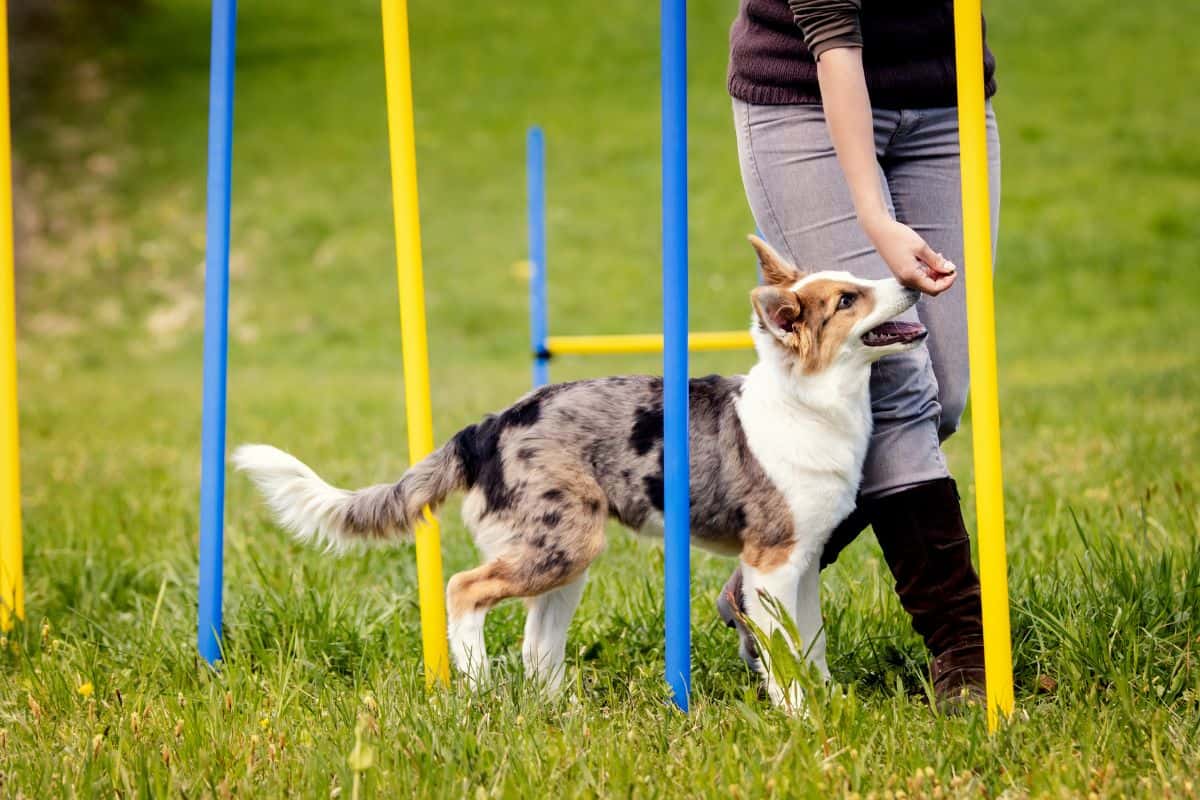
Understanding Pet Training Basics
Pet training is a process aimed at teaching animals desired behaviors, commands, and social skills. It's not just about obedience; it's about creating a harmonious relationship between pets and their owners. By understanding the principles of pet behavior, such as their natural instincts and learning capabilities, owners can effectively communicate and train their pets. For instance, dogs are pack animals, and understanding their hierarchical nature can help in establishing a positive training dynamic.
The Importance of Training
Training is crucial for the well - being of both pets and owners. Well - trained pets are safer, as they are less likely to engage in dangerous behaviors like running into traffic or biting. They also have better social skills, allowing them to interact more smoothly with other animals and people. For owners, a trained pet means less stress and more enjoyment in daily life. It simplifies activities such as walking, traveling, and hosting guests.
Pet Training Methods
Positive Reinforcement Training
Positive reinforcement is one of the most popular and humane training methods. It involves rewarding the pet for exhibiting the desired behavior. Rewards can include treats, praise, playtime, or affection. For example, when a dog sits on command, immediately giving it a treat and enthusiastic praise reinforces the behavior. This method works because animals are more likely to repeat actions that lead to positive outcomes. Scientific studies have shown that positive reinforcement stimulates the release of dopamine in a pet's brain, creating a positive association with the behavior being trained.
Negative Reinforcement Training
Negative reinforcement involves removing an unpleasant or aversive stimulus to increase the likelihood of a behavior. For instance, if a dog is wearing a collar that emits a slight vibration when it pulls on the leash (an aversive stimulus), and the vibration stops when the dog stops pulling, the dog learns that ceasing the pulling behavior removes the unpleasant sensation. However, this method should be used with caution. Over - reliance on aversive stimuli can cause fear, anxiety, and aggression in pets.
Punishment - Based Training
Punishment - based training involves using aversive methods to stop unwanted behaviors. This can include scolding, hitting, or using shock collars. While it may seem to stop the behavior immediately, punishment - based training often has negative long - term effects. It can damage the trust between the pet and the owner, and may even lead to increased aggression or fearfulness in the pet. Modern trainers generally discourage this method in favor of more positive approaches.
Clicker Training
Clicker training is a specialized form of positive reinforcement. It uses a small handheld device that makes a distinct clicking sound. The click acts as a marker signal, indicating to the pet that it has just performed the correct behavior, right before the reward is given. This method allows for very precise training, as the pet can quickly learn to associate the click with a reward. Clicker training is effective for teaching a wide range of behaviors, from basic commands to complex tricks, and is suitable for various types of pets.
Types of Pet Training
Basic Obedience Training
Basic obedience training is essential for all pets. It includes teaching commands such as “sit,” “stay,” “come,” “down,” and “heel.” These commands form the foundation for more advanced training and help ensure the pet's safety and good behavior in different situations. For example, teaching a dog to “come” when called can prevent it from running away or getting into dangerous situations.
Puppy Training
Puppy training focuses on the unique needs of young pets. It includes housebreaking, socialization, and basic obedience. Puppies are highly impressionable, and proper training during this stage can shape their behavior for life. Socialization, in particular, is crucial as it helps puppies learn to interact with other animals and people in a positive way. This can involve exposing them to different environments, sounds, and smells.
Behavior Modification Training
Behavior modification training is aimed at addressing specific problem behaviors in pets, such as aggression, excessive barking, or separation anxiety. Trainers use a combination of techniques, often based on positive reinforcement, to change the pet's behavior. For example, to reduce a dog's separation anxiety, the owner can gradually desensitize the dog to being alone by starting with short absences and rewarding calm behavior.
Advanced Training
Advanced training is for pets that have mastered basic obedience and are ready to learn more complex skills. This can include agility training for dogs, which involves navigating obstacle courses, or tricks training for both dogs and cats. Advanced training not only provides mental and physical stimulation for the pet but also showcases the strong bond between the pet and the owner.
Dog Training Options and Costs
|
Option
|
Description
|
Average Cost
|
Advantages
|
Disadvantages
|
|
Local Dog Training Courses
|
In - person group classes held in community centers, parks, or dedicated facilities, covering basic to advanced topics
|
150−350 for a 6 - 8 - week course
|
Personalized attention from local trainers, opportunity for pets to socialize, convenient local locations
|
Limited class times, may not be highly specialized
|
|
Dog Obedience Schools
|
Structured, comprehensive programs with professional trainers, often offering different levels of courses
|
800−
2000 for a multi - week residential program
|
High - quality, professional training, access to advanced facilities, in - depth curriculum
|
Higher cost, may require travel, less flexibility in scheduling
|
|
Free Online Resources
|
Tutorials, videos, and articles available on the internet, covering a wide range of training topics
|
Free
|
Accessible anytime, anywhere, extensive range of topics, no cost
|
Lack of personalized feedback, quality may vary
|
|
Community - Based Workshops
|
Workshops and seminars organized by local shelters, rescue groups, or pet stores
|
Free or low - cost (usually under $50)
|
Opportunity to learn from local experts, support local pet - related organizations, hands - on experience
|
Limited availability, may not cover advanced topics
|
|
Dog Board and Training
|
Dogs stay at a training facility for a set period (usually 2 - 4 weeks) while receiving intensive training
|
1200−3000 per month
|
Convenient for busy owners, intensive and consistent training, professional handling
|
High cost, pet may experience separation anxiety, limited owner - pet interaction during training
|
The Benefits of Pet Training
For Pets
-
Physical Health: Regular training sessions provide physical exercise, which helps keep pets fit and healthy. Activities like agility training for dogs or play - based training for cats can improve their strength, flexibility, and coordination.
-
Mental Stimulation: Training challenges a pet's mind, preventing boredom and reducing the likelihood of destructive behaviors. Solving problems during training, such as learning a new trick, keeps their cognitive abilities sharp.
-
Social Skills: Well - trained pets are better able to interact with other animals and people. They are less likely to show aggression or fear in social situations, making it easier for them to enjoy activities like dog parks or playdates.
For Owners
-
Enhanced Bond: The training process strengthens the bond between the owner and the pet. Working together towards a common goal builds trust and understanding. For example, when a dog successfully learns a new command, the sense of accomplishment is shared between the pet and the owner.
-
Reduced Stress: A well - behaved pet makes daily life more manageable. Owners don't have to worry about their pet misbehaving in public or causing damage at home, leading to a more relaxed and enjoyable lifestyle.
-
Pride and Fulfillment: Seeing their pet learn and grow through training gives owners a sense of pride and fulfillment. It's rewarding to watch a pet master new skills and become a well - adjusted member of the household.
Frequently Asked Questions
Q: At what age should I start training my pet?
A: Puppies and kittens can start basic training as early as 8 - 10 weeks old. This can include simple commands and socialization. However, more formal training is usually more effective when they are a bit older, around 4 - 6 months, as they have better attention spans and are more receptive to learning.
Q: Can I train my pet on my own, or do I need a professional trainer?
A: Many pet owners can successfully train their pets using online resources, books, and videos for basic obedience and simple behaviors. However, if your pet has complex behavioral issues, such as aggression or severe anxiety, or if you want to train for advanced skills, hiring a professional trainer can be beneficial. Professionals have the expertise and experience to tailor a training plan to your pet's specific needs.
Q: How often should I train my pet?
A: Short, frequent training sessions are generally more effective than long, infrequent ones. Aim for 10 - 15 minutes of training per session, 2 - 3 times a day. This keeps the pet engaged and prevents them from getting bored or overwhelmed.
Q: What if my pet doesn't respond to the training?
A: If your pet isn't responding, first make sure you're using the right training method for your pet's personality and learning style. It may also be necessary to adjust the training environment to reduce distractions. If problems persist, consider consulting a professional trainer who can assess the situation and offer solutions.