
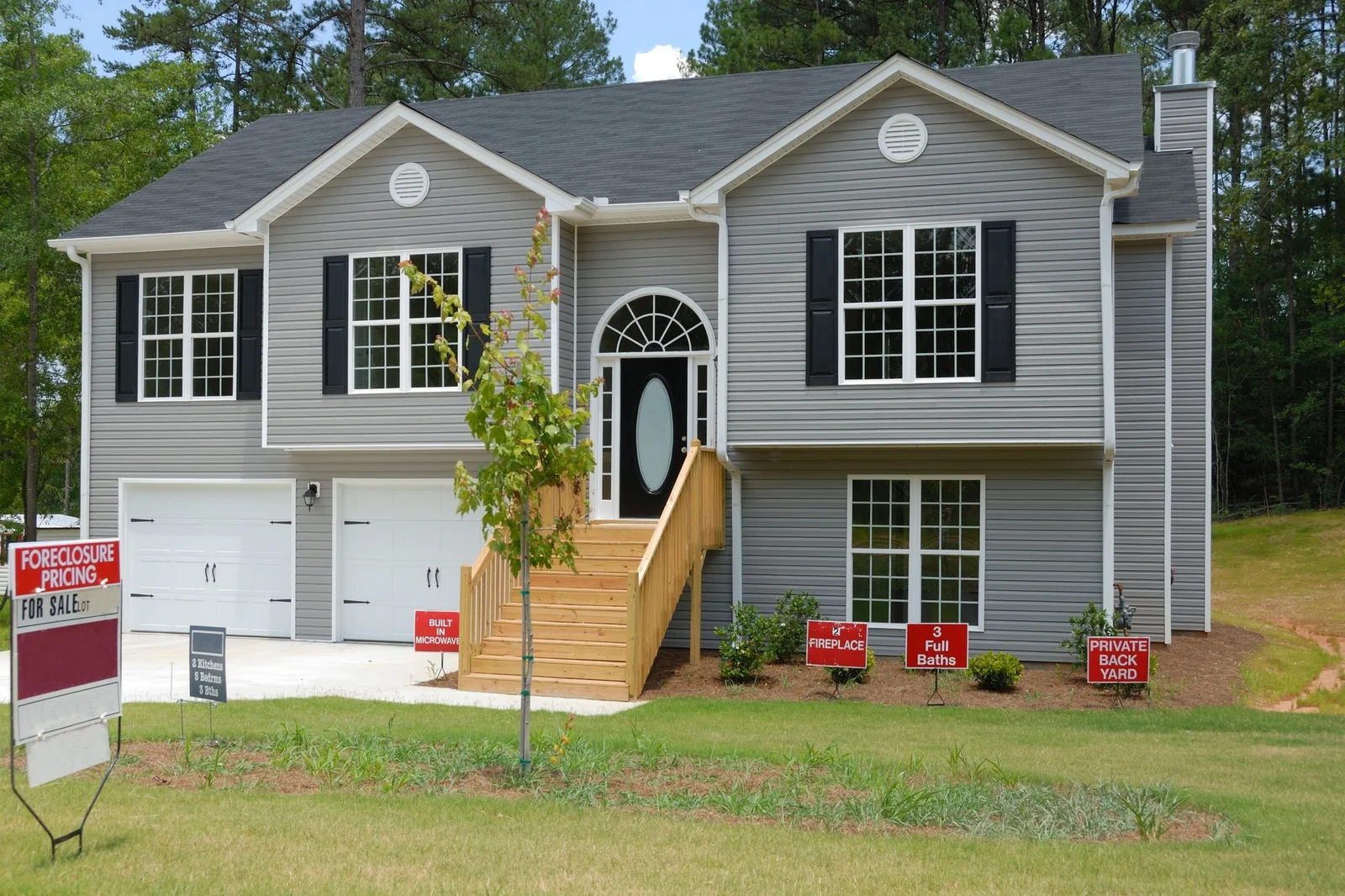
Understanding the Foreclosure Process: From Default to Auction
Foreclosure, or repossession in some countries, is a legal process where a lender attempts to recover the balance of a loan from a borrower who has stopped making payments, often by taking possession of the property and eventually selling it to recover the debt.The specifics of this process can vary depending on the laws of the state or country, so it is important for buyers to be aware of local regulations.In the United States, some states require judicial foreclosure (which involves court proceedings and typically includes a public auction), while others follow a non-judicial process (which does not require court involvement, and the lender can initiate the foreclosure and auction process directly). The specifics of non-judicial foreclosure processes vary by state, and while they do not involve court proceedings, they still require adherence to state-specific laws and procedures. The difference in these processes can significantly affect the timeline and legal requirements for both the borrower and potential buyers. In contrast, the process in countries like the UK or Canada is called 'repossession,' which also involves a legal process with court hearings. While the public auction process may not be as widespread as in the U.S, repossession properties can still end up at auction, especially in the UK, if the property cannot be sold privately or if there are unresolved issues with the borrower.
1. Default and Pre-Foreclosure
The process begins when a borrower defaults on their mortgage payments. Default typically occurs when a borrower fails to make payments for a certain period, often 90 days. The lender then sends a notice of default, informing the borrower that they are behind on payments and risk losing their home. This period before the actual foreclosure is known as pre-foreclosure, offering opportunities for the borrower to negotiate with the lender. Note that in the U.S, pre-foreclosure periods can vary by state, and in some areas, homeowners may have more time to work out a solution before the property is taken to auction.
2. Notice of Sale
If the borrower fails to remedy the default during the pre-foreclosure period, the lender will schedule a foreclosure sale. A notice of sale is then issued, which includes the date, time, and location of the auction. This notice is typically published in local newspapers, though some states may allow it to be posted in other formats, such as court announcements or legal notice websites, depending on local laws. The homeowner is also notified of the impending sale, with notification requirements varying by state. In some states, homeowners may be entitled to additional notifications and extended periods to resolve the default before the sale is finalized.
3. Foreclosure Auction
The foreclosure auction is a public sale where the property is sold to the highest bidder. The lender sets a minimum bid, often the outstanding loan balance plus any accrued interest and costs. If a third-party bidder wins, they must pay for the property immediately. If there are no acceptable bids, the property reverts to the lender, becoming a real estate owned (REO) property.
4. Redemption Period (If Applicable)
In some states in the U.S., borrowers may have a redemption period after the foreclosure sale, allowing them to reclaim their property by paying the full debt owed, plus costs. However, not all states offer a redemption period. Some states do not allow redemption, especially those that follow non-judicial foreclosure processes. Potential buyers should verify the applicable laws in the specific state to understand if this applies and the length of the redemption period. During this time, they can reclaim their property by paying the full debt owed, plus costs. However, not all states offer a redemption period, so it’s important for potential buyers to check if this applies in their state before proceeding with the purchase.
5. Eviction
If the borrower remains in the property after the foreclosure sale and any applicable redemption period, the new owner (whether it's the lender or a third-party buyer) can initiate eviction proceedings. This legal process forces the borrower to leave the property. Eviction notices are served, and if the borrower does not comply, law enforcement may be involved to remove them from the premises.
Strategies for Locating Foreclosed Properties: Tools and Techniques
Discovering foreclosed properties requires a strategic approach, utilizing various tools and techniques to identify potential opportunities. This section explores effective methods for finding these properties.
1. Online Real Estate Portals
Numerous websites specialize in listing foreclosed homes. These portals often aggregate data from various sources, providing a comprehensive overview of available properties. Examples include Zillow, Trulia, and RealtyTrac. These platforms allow users to filter searches by location, price, property type, and foreclosure status.
2. Government Agencies and Auctions
Government agencies like the Department of Housing and Urban Development (HUD) and the Department of Veterans Affairs (VA) sell foreclosed properties they acquire. These properties are often listed on their websites or through authorized brokers. Attending foreclosure auctions, either in person or online, is another avenue. These auctions can offer opportunities to purchase properties at potentially discounted prices.
3. Local Newspapers and Legal Notices
Foreclosure notices are often published in local newspapers as a legal requirement. Regularly reviewing these publications can provide early leads on properties entering the foreclosure process. Legal notice websites also compile these announcements, offering a centralized resource for tracking foreclosures in specific areas.
4. Real Estate Agents and Brokers
Working with a real estate agent who specializes in foreclosures can be highly beneficial. These agents have access to the Multiple Listing Service (MLS), which often includes listings of foreclosed properties. Their expertise in navigating the foreclosure process can be invaluable in identifying and acquiring suitable properties. They can also provide insights into local market trends and property values.
Pros and Cons of Purchasing Foreclosed Properties: A Balanced View
Foreclosed properties can present opportunities for buyers seeking below-market prices, but they also come with potential challenges. Understanding both the advantages and disadvantages is crucial for making informed decisions.
1. Potential Cost Savings
Foreclosed homes are often priced lower than comparable properties on the market. This can allow buyers to acquire a home at a reduced cost, potentially saving a significant amount of money on the initial purchase. The lower price can also free up capital for renovations or other investments.
2. Investment Opportunities
For investors, foreclosed properties can represent a chance to generate profit through resale or rental income. The lower acquisition cost increases the potential for a higher return on investment, especially after necessary repairs and upgrades are completed. Real estate investors often target foreclosures to expand their portfolios.
3. Condition and Repairs
Foreclosed homes may require extensive repairs and renovations. Previous owners may have neglected maintenance, leading to issues such as water damage, structural problems, or code violations. Buyers need to factor in these potential costs when evaluating the overall investment.
4. Lengthy and Complex Process
Purchasing a foreclosed property can be a more complex and time-consuming process compared to traditional home purchases. Dealing with banks, navigating legal procedures, and handling potential title issues can add layers of complexity and delay the closing process. Patience and due diligence are essential.
5. Competition and Uncertainty
Foreclosed properties often attract significant interest from multiple buyers, leading to competitive bidding situations. Additionally, there may be uncertainty regarding the property's history, liens, or undisclosed issues. Thorough inspections and title searches are necessary to mitigate potential risks.
Q&A
Question 1: What is foreclosure, and what are the general steps involved in the process?
Answer: Foreclosure is a legal process where a lender tries to recover a loan balance from a borrower who has stopped making payments by selling the asset used as collateral. The process generally involves default and pre-foreclosure (notice of default, negotiation opportunities), notice of sale (public announcement of the auction), the foreclosure auction itself (property sold to highest bidder), a potential redemption period (allowing the borrower to reclaim the property), and finally, eviction if the borrower doesn't leave after the sale. Specifics vary by state law.
Question 2: What are some effective strategies for locating foreclosed properties?
Answer: Several methods exist to find foreclosed properties. Online real estate portals (Zillow, Trulia, RealtyTrac) aggregate listings. Government agencies like HUD and VA sell foreclosed properties through their websites or brokers. Checking local newspapers and legal notice websites for foreclosure announcements is another approach. Finally, working with a real estate agent specializing in foreclosures provides access to the MLS and expert guidance.
Question 3: What are the key factors to consider when evaluating a foreclosed home, and what are the potential pitfalls?
Answer: Evaluating a foreclosed home requires careful consideration of its condition (thorough inspection to identify potential costly repairs), title and legal issues (title search to uncover liens or encumbrances), market value (comparing to similar properties to avoid overpaying), and financing challenges (securing a mortgage might be difficult due to needed repairs). Pitfalls include costly repairs, legal complications, overpaying, and difficulty securing financing.
Question 4: What are the advantages and disadvantages of buying a foreclosed property?
Answer: Pros include potential cost savings due to lower prices and investment opportunities with high ROI potential. However, cons include the need for extensive repairs, a lengthy and complex process, competition among buyers, and uncertainty about the property's history and potential hidden issues. Buyers need to weigh these factors carefully.
References:
- https://www.discover.com/home-loans/articles/what-do-i-need-to-know-before-buying-a-foreclosed-home/
- https://www.har.com/blog_39518_6-steps-for-buying-from-pre-foreclosure-listings
- https://www.bankrate.com/mortgages/bank-owned-properties/
- https://www.quickenloans.com/learn/how-to-find-and-evaluate-foreclosure-properties-for-smart-investments
- https://www.usa.gov/real-estate-sales