
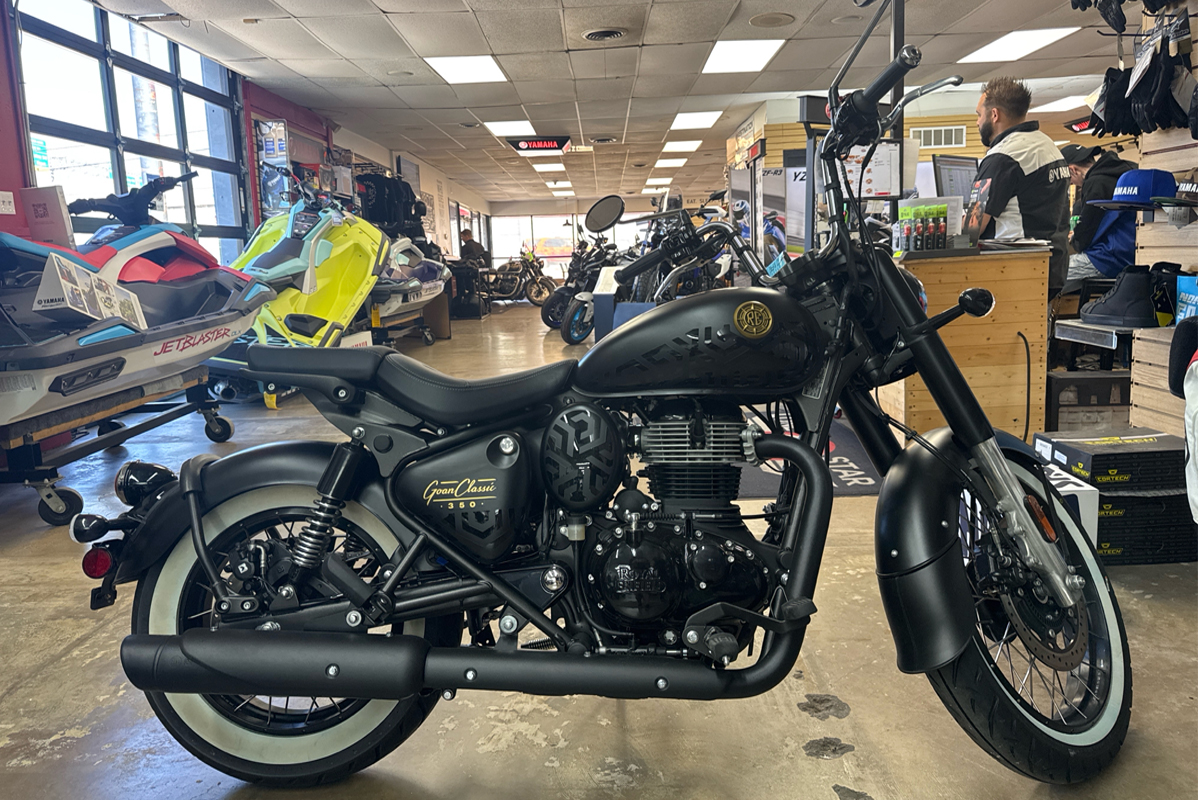
Redefining the Rider Identity
Shifting from Utility to Self-Expression
The psychology behind purchasing a two-wheeler in India has undergone a seismic shift. For decades, the market was dominated by a utilitarian mindset where fuel efficiency, durability, and affordability were the sole deciding factors. The classic question of "Kitna deti hai?" (How much does it give?) ruled the showroom floors. However, as the economy expands and the middle class enjoys greater disposable income, a new narrative has emerged. Motorcycles are no longer just tools for commuting from point A to point B; they have evolved into powerful vehicles of self-expression and lifestyle.
This transformation is driven by a younger, more aspirational demographic that views their ride as an extension of their personality. They are not just buying a machine; they are investing in an image. The rise of leisure motorcycling—where the bike is used for weekend getaways, breakfast runs, and long-distance touring rather than just the daily office trudge—has pushed manufacturers to rethink their value proposition. It is no longer enough to sell specs; brands must now sell a story. This demand for premium experiences means that marketing strategies must pivot from highlighting technical charts to showcasing how the machine fits into a richer, more adventurous life. The modern Indian rider seeks a balance: they respect the reliability needed for Indian roads but crave the aesthetic appeal that turns heads at a traffic light.
The Strategic Value of Heritage and Analog Sensations
In an era rapidly hurtling towards digitalization and electric mobility, there is a profound, almost counter-intuitive demand for the "analog" experience. This is where a brand with a deep historical footprint finds its strongest leverage. For the Indian market, history is not just about the past; it is about legitimacy. A motorcycle that carries a legacy spanning generations offers a sense of permanence and reliability that new, plastic-heavy gadgets cannot replicate. Marketing in this segment often focuses less on top speed and more on the "thump," the vibration, and the visceral connection between man and machine.
This approach positions the motorcycle not as a consumable good, but as an heirloom. It taps into the sentiment where a young rider feels a connection to their father or grandfather through the silhouette of the bike. The strategy revolves around "imperfection" as character—the mechanical noises and the heavy metal feel are celebrated rather than hidden. By highlighting these sensory experiences—the wind, the engine's heat, the rhythmic beat of the exhaust—brands create an emotional anchor. This is particularly effective in India, where the chaotic nature of the roads makes the sturdy, grounded feel of a heavy bike reassuring. Promoting this "old school" charm effectively differentiates heritage brands from the sea of hyper-modern, sanitized commuter bikes, creating a loyalist base that values soul over software.
| Feature Strategy | Functional/Commuter Approach | Heritage/Lifestyle Approach |
|---|---|---|
| Primary Selling Point | Mileage (KMPL) and Low Maintenance | Brand Legacy and Engine Character |
| Target Emotion | Prudence and Economy | Pride, Nostalgia, and Freedom |
| Product Perception | A daily tool for transport | A partner for life's adventures |
| Depiction in Ads | Traffic navigation, office commutes | Open highways, rugged terrains, bonding |
Cultivating Community and Co-Creation
The Power of Shared Experiences and "The Brotherhood"
The most potent marketing tool for a lifestyle motorcycle brand in India is not a billboard, but the riders themselves. Building a community is essential for sustaining long-term growth. The concept of "brotherhood" resonates deeply in the Indian context, where social bonds are paramount. Successful marketing here transcends the transaction; it focuses on what happens after the keys are handed over. By organizing dealer-level rides, marquee events like Himalayan odysseys, or simple Sunday breakfast meetups, brands transform customers into a tribe.
These events serve a dual purpose. For the novice, they provide a safe, structured environment to explore the capabilities of their machine under the guidance of experienced peers. For the veteran, it is a stage to display their machine and mentor others. When a brand facilitates these connections, the loyalty generated is unshakable. The marketing strategy shifts to "peer-to-peer" influence. A rider sharing a photo of a misty morning ride on social media is infinitely more convincing than a glossy studio advertisement. This "shared experience" creates a loop: the community attracts new riders, and the new riders strengthen the community. In a diverse country like India, these communities also act as a unifying platform, bringing together people from different regions and backgrounds bound solely by their love for the ride.
Customization and Cross-Industry Collaborations
To keep a heritage brand relevant to a modern audience, the perception of the bike must evolve from a "static classic" to a "dynamic canvas." Encouraging customization is a brilliant strategy to engage the creative spirit of the Indian youth. When a manufacturer supports the custom culture—whether through official accessories or by showcasing the work of independent builders—it signals that the brand is open, flexible, and cool. It transforms the ownership experience into a journey of personalization, where no two bikes remain the same.
Furthermore, strategic alliances with non-automotive sectors, such as fashion and lifestyle brands, are crucial for expanding reach. Collaborating with denim brands, helmet artists, or adventure gear companies allows the motorcycle brand to permeate the rider's life even when they are not riding. It creates an ecosystem where the brand represents a specific aesthetic and set of values. Showcasing a high-tech custom build by a famous workshop can change the perception of a bike from "dad’s scooter" to a "modern icon." These initiatives generate viral content and keep the conversation alive in digital spaces, ensuring the brand remains aspirational. It bridges the gap between the rugged mechanical world and the trendy lifestyle sector, drawing in consumers who might initially be attracted to the fashion but stay for the ride.
| Collaboration Type | Strategic Intent | Benefit to Consumer |
|---|---|---|
| Apparel Partnerships | Extends brand visibility into daily wear | Access to high-quality, branded safety gear and fashion |
| Custom Builders | Showcases mechanical potential and flexibility | Inspiration for personalizing their own vehicles |
| Touring Companies | Validates reliability in tough terrains | curated, safe, and adventurous travel experiences |
| Music/Art Festivals | Connects with youth culture and creativity | deeper emotional resonance beyond just "machinery" |
Q&A
-
What role does a Royal Enfield Marketing Strategy Consultant play in India?
A Royal Enfield Marketing Strategy Consultant in India is responsible for devising and implementing strategic marketing plans tailored to the unique needs of the Royal Enfield brand in the Indian market. This includes understanding the local consumer behavior, competitive landscape, and leveraging various marketing channels to enhance brand visibility and drive sales growth.
-
What are some effective dealership promotion ideas for Royal Enfield in India?
Effective promotion ideas for Royal Enfield dealerships in India include organizing local ride events, collaborating with local influencers, offering exclusive test ride experiences, and utilizing social media campaigns to engage with the community. Promotions could also involve festival-themed discounts or loyalty programs to retain existing customers.
-
Why is local marketing important for a Royal Enfield bike showroom?
Local marketing is crucial for a Royal Enfield bike showroom as it helps in targeting potential customers in the vicinity, building community relations, and enhancing brand loyalty. By understanding local customer preferences and cultural nuances, showrooms can create personalized marketing strategies that resonate more effectively with their audience.