
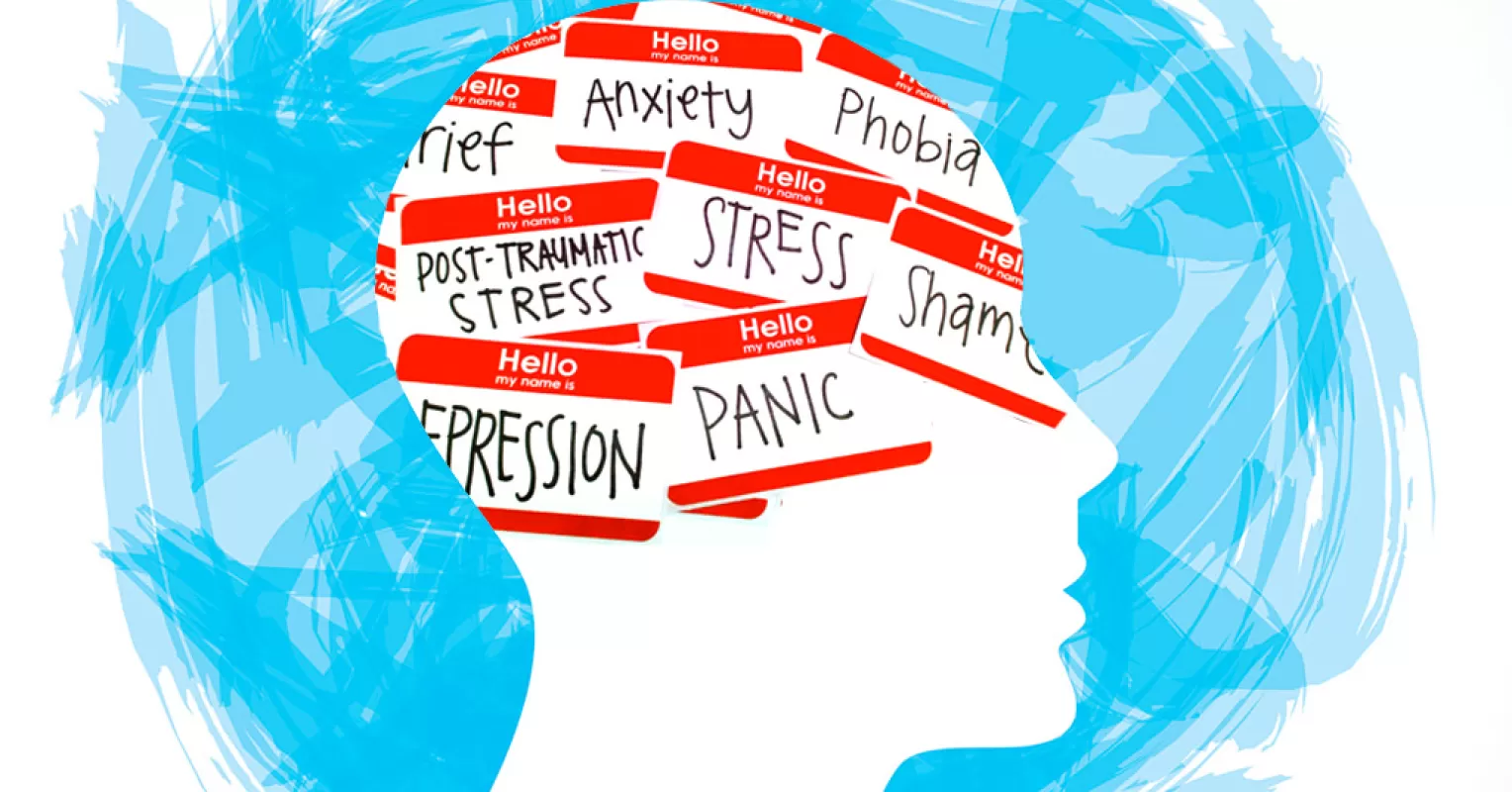
The Foundations of Mental Health
What is Mental Health?
Mental health encompasses emotional, psychological, and social well-being. It influences how we handle stress, relate to others, and make choices. Mental health is essential at every stage of life, from childhood through adulthood. It is not merely the absence of mental illness but also the presence of positive emotional states, resilience, and the ability to function effectively in society.
Factors Affecting Mental Health
Several factors contribute to mental health problems:
- Biological factors: Genetics or brain chemistry. For instance, imbalances in neurotransmitters such as serotonin and dopamine can lead to conditions like depression or anxiety.
- Life experiences: Trauma or abuse. Adverse childhood experiences (ACEs) have been shown to significantly increase the risk of mental health disorders later in life.
- Family history: A family history of mental health problems can increase risk. Research indicates that certain mental health conditions, such as bipolar disorder or schizophrenia, have a hereditary component.
- Environmental factors: Exposure to stress, pollution, or social inequality can also impact mental health. Urban environments, for example, have been linked to higher rates of anxiety and depression due to factors like noise pollution and social isolation.
The Global Perspective on Mental Health
Globally, mental health disorders are a leading cause of disability. According to the World Health Organization (WHO), depression affects more than 264 million people worldwide. Anxiety disorders are another common condition affecting millions globally. These statistics highlight the urgent need for improved mental health care and awareness.
| Mental Disorder | Number of People Affected Globally |
| Depression | 264 million |
| Anxiety | 284 million |
| Bipolar Disorder | 46 million |
| Schizophrenia | 20 million |
Source: World Health Organization (WHO)
The burden of mental health disorders is particularly significant in low- and middle-income countries, where access to mental health services is often limited. This disparity underscores the importance of global mental health initiatives and the need for equitable distribution of resources.
Exploring Kesehatan Mental
Kesehatan Mental in Different Cultures
Kesehatan Mental refers to mental health in Indonesian. Cultural perspectives can significantly influence how mental health is perceived and treated in different societies. In many Asian cultures, mental illness may carry a stigma that prevents individuals from seeking help. For example, in Indonesia, mental health issues are often associated with supernatural causes or moral failings, which can deter people from seeking professional treatment.
In contrast, Western cultures tend to view mental health more scientifically, with an emphasis on psychological and biological factors. However, even in Western societies, stigma remains a barrier to seeking help. This cultural variability highlights the importance of tailoring mental health interventions to the specific beliefs and practices of different communities.
Kesehatan Mental Remaja (Adolescent Mental Health)
Adolescents face unique challenges that can impact their mental health. These include academic pressure, social dynamics, and identity formation. Adolescence is a critical period of development, marked by significant changes in brain structure and function. The prefrontal cortex, which is responsible for decision-making, impulse control, and emotional regulation, continues to develop into early adulthood. This makes adolescents particularly vulnerable to mental health disorders.
Addressing adolescent mental health requires a comprehensive approach that includes education, support systems, and accessible healthcare services. Schools play a vital role in promoting mental health by implementing programs that teach coping skills, resilience, and emotional intelligence. Additionally, parents and caregivers should be equipped with the knowledge and tools to support their children's mental well-being.
Role of Media: Kesehatan Mental Tirto
Media plays a crucial role in shaping public perception of mental health. Outlets like Tirto in Indonesia provide valuable information and raise awareness about the importance of mental well-being through articles and reports. Tirto, a leading independent media platform in Indonesia, has been instrumental in destigmatizing mental health issues by sharing stories of individuals who have overcome mental health challenges.
The media can also serve as a powerful tool for education and advocacy. By highlighting the experiences of those affected by mental illness, media outlets can foster empathy and understanding within communities. However, it is important for the media to present accurate and balanced information to avoid perpetuating stereotypes or misinformation.
Psychological Theories on Mental Health
Kesehatan Mental Menurut Allport (According to Allport)
Gordon Allport's theory emphasizes the uniqueness of the individual and the importance of understanding personality traits in assessing mental health. He believed that understanding personal growth and self-realization is vital for improving psychological well-being. Allport's approach, known as personality psychology, focuses on the unique patterns of thoughts, feelings, and behaviors that define each individual.
According to Allport, mental health is closely tied to the ability to achieve personal goals and fulfill one's potential. This aligns with the concept of eudaimonia, or flourishing, which is a key component of positive psychology. By fostering a sense of purpose and meaning, individuals can enhance their mental well-being and resilience.
Understanding Kesehatan Mental 2
This term might refer to advanced or secondary aspects of mental health studies which delve deeper into specific disorders or therapeutic approaches. It highlights the complexity and multifaceted nature of psychological research. Mental health is influenced by a wide range of factors, including biological, psychological, and environmental elements. Understanding these interconnections is essential for developing effective interventions and treatments.
Recent advancements in neuroscience have provided new insights into the biological underpinnings of mental health disorders. For example, research into neuroplasticity has shown that the brain can adapt and change in response to experiences, which has implications for the treatment of conditions like PTSD and depression. These findings underscore the importance of adopting a holistic approach to mental health care that integrates biological, psychological, and social perspectives.
Addressing Common Questions about Mental Health
Q&A
Q1: What are some early signs of mental health problems?
A1: Early signs can include changes in mood or behavior, withdrawal from friends or activities, significant tiredness or low energy, difficulty concentrating, or unexplained physical ailments. Other signs may include excessive worrying, irritability, changes in sleep or appetite, and a decline in academic or work performance. If these symptoms persist for an extended period or interfere with daily functioning, it may be indicative of a mental health disorder.
Q2: How can I support someone with a mental health issue?
A2: Listen without judgment, encourage them to seek professional help, offer support by accompanying them to appointments if they wish, and educate yourself about their condition. It is also important to respect their boundaries and avoid giving unsolicited advice. Simply being present and offering a listening ear can make a significant difference in their mental well-being.
Q3: Is it possible to prevent mental illnesses?
A3: While not all mental illnesses can be prevented, steps like maintaining a healthy lifestyle, managing stress effectively, building strong social connections, and seeking early intervention can reduce risk factors. Engaging in regular physical activity, practicing mindfulness, and seeking support during challenging times can also help promote mental resilience.
Q4: What are the best ways to manage stress?
A4: Stress management techniques include exercise, meditation, deep breathing exercises, time management, and engaging in hobbies or activities that bring joy. It is also important to maintain a healthy work-life balance and seek support from friends, family, or professionals when needed. Cognitive-behavioral techniques, such as reframing negative thoughts, can also be effective in managing stress.
Q5: How does social media impact mental health?
A5: Social media can have both positive and negative effects on mental health. On one hand, it can provide a sense of connection and support, particularly for individuals who are geographically isolated or belong to marginalized communities. On the other hand, excessive use of social media has been linked to increased rates of anxiety, depression, and loneliness, particularly among adolescents and young adults. It is important to use social media mindfully and set boundaries to protect one's mental well-being.
Strategies for Promoting Better Mental Health
Creating Supportive Environments
- Encourage open discussions about feelings. Creating a safe and non-judgmental space for individuals to express their emotions can help reduce stigma and foster emotional well-being.
- Promote work-life balance. Encouraging employees to take breaks, set boundaries, and prioritize self-care can help prevent burnout and improve mental health.
- Implement workplace wellness programs. These programs can include access to counseling services, stress management workshops, and wellness initiatives that promote physical and mental health.
Access to Resources
Ensuring access to resources such as counseling services and hotlines is vital for those seeking help. Community programs can also provide support networks for individuals struggling with mental health issues. Telehealth services have become increasingly important in recent years, particularly in rural or underserved areas, by providing access to mental health care that would otherwise be unavailable.
Education and Awareness Campaigns
Public education campaigns can reduce stigma associated with mental illness by promoting understanding and empathy within communities. These campaigns can also provide information about the signs and symptoms of mental health disorders, as well as resources for seeking help. Schools, workplaces, and community organizations can play a key role in disseminating this information and fostering a culture of mental health awareness.
Policy and Advocacy
Government policies and advocacy efforts are essential for improving mental health care and reducing disparities. This includes increasing funding for mental health services, promoting mental health education in schools, and implementing policies that support workplace mental health. Advocacy efforts can also help raise awareness about the importance of mental health and push for systemic changes that address the root causes of mental health issues.
Addressing mental health requires a multifaceted approach involving education, support systems, cultural sensitivity, and access to resources. By fostering environments that promote open dialogue and understanding around this topic globally—including insights from perspectives like Kesehatan Mental—we can work towards reducing stigma and improving overall societal well-being. It is only by prioritizing mental health and taking concerted action that we can build a healthier, more resilient society for all.
References
- https://www.who.int/health-topics/mental-health
- https://theharrispoll.com/briefs/mental-health-awareness-month-key-findings-on-u-s-attitudes-and-barriers-to-care-2/
- https://pmc.ncbi.nlm.nih.gov/articles/PMC12083424/
- https://pmc.ncbi.nlm.nih.gov/articles/PMC12082639/
- https://www.mentalhealth.org.uk/explore-mental-health/publications/mhf-general-election-manifesto-2019