
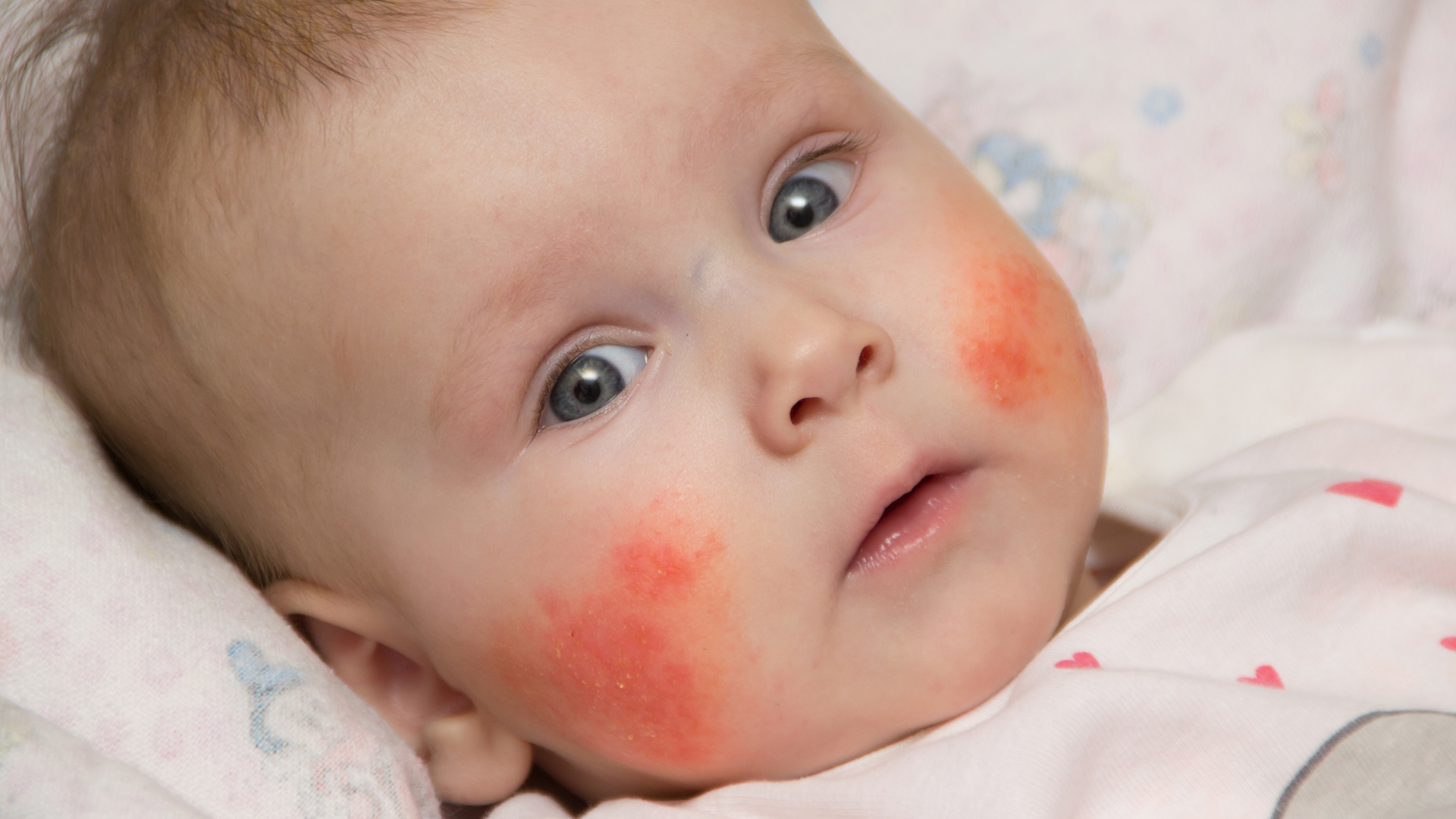
What is Baby Eczema?
Baby eczema, medically known as atopic dermatitis, is a chronic inflammatory skin condition that plagues a significant number of infants globally. At its core, the skin’s outermost layer, the stratum corneum, which acts as a protective shield, is compromised in babies with eczema. Normally, this layer is composed of a complex matrix of lipids, proteins, and natural moisturizing factors that work in harmony to retain moisture and keep out harmful substances.
Common Triggers of Baby Eczema
Allergens
Allergens are among the most significant triggers for baby eczema flare - ups. In the realm of dietary allergens, cow’s milk protein is one of the most common culprits. Approximately 2 - 7% of infants under 12 months of age are allergic to cow’s milk protein, and exposure can lead to eczema symptoms within hours or days. Eggs are another frequent allergen, with about 1 - 3% of infants being sensitive. When ingested, these allergenic proteins are recognized as foreign by the immune system, which then mounts an antibody - mediated response. This response can manifest on the skin as eczema, often accompanied by other symptoms like digestive issues or respiratory problems.
Irritants
Baby skin is extremely delicate, and many common substances can act as irritants. Harsh soaps are often formulated with strong detergents and fragrances that can strip the skin of its natural oils. Even some “baby - friendly” soaps may contain ingredients that are too harsh for eczema - prone skin. Detergents used for washing baby clothes can also leave residues on the fabric, which can then rub against the skin and cause irritation. Fabric softeners, with their chemical additives designed to make clothes feel softer, can be particularly problematic as they may contain allergens or irritants.
Environmental Factors
Environmental conditions have a profound impact on baby eczema. Dry air, especially during the winter months when indoor heating systems are in use, can be extremely drying for the skin. As the humidity in the air drops, the skin loses moisture more rapidly, and the already compromised skin barrier in eczema - prone babies becomes even more vulnerable. On the other hand, excessive heat and humidity can also be problematic. High temperatures can cause sweating, and the combination of sweat and friction can irritate the skin. Additionally, the increased humidity can promote the growth of mold and dust mites, further exacerbating eczema symptoms.
Symptoms of Baby Eczema
The symptoms of baby eczema can vary widely in both appearance and severity. In mild cases, the skin may simply appear dry and slightly red, with a few small patches of rough, scaly skin. As the condition progresses, the redness becomes more pronounced, and the patches can expand and merge together. The skin may become extremely itchy, and babies, who are unable to communicate their discomfort verbally, may show signs of distress, such as fussiness, crying, and difficulty sleeping.
In more severe cases, the skin can become thickened and leathery due to chronic scratching and rubbing. Blisters may form, which can ooze clear or yellowish fluid. If these blisters break, they can become infected, leading to additional complications such as cellulitis. Eczema commonly affects the face, especially the cheeks, where it can give the baby a “slapped - cheek” appearance. It also often appears on the elbows, knees, wrists, and the creases of the arms and legs. In some infants, the eczema can spread across large areas of the body, covering the back, abdomen, and thighs.
Diagnosis of Baby Eczema
Diagnosing baby eczema is typically a process that involves a combination of physical examination and medical history taking. A pediatrician or dermatologist will first carefully examine the baby’s skin, looking for the characteristic signs of eczema, such as redness, dryness, scaling, and the presence of itchy patches. They will note the location, size, and appearance of the affected areas.
The doctor will then ask detailed questions about the baby’s medical history, including any previous skin problems, allergies, or respiratory issues. They will also inquire about the family history, as a genetic predisposition plays a significant role in the development of eczema. If there is a suspicion that allergies may be contributing to the eczema, the doctor may recommend allergy testing. This can involve skin prick tests, where small amounts of potential allergens are applied to the skin to see if a reaction occurs, or blood tests to measure the levels of specific antibodies in the blood.
Treatment and Management of Baby Eczema
Moisturizing
Moisturizing is the cornerstone of baby eczema management. Regularly applying thick, emollient moisturizers helps to replenish the skin’s moisture content and reinforce the damaged skin barrier. Creams and ointments are preferred over lotions, as they contain a higher proportion of oil - based ingredients. For example, ointments like petroleum jelly form a physical barrier on the skin, preventing moisture loss and protecting the skin from external irritants.
Topical Medications
Topical corticosteroids are one of the most commonly prescribed medications for baby eczema. These medications work by reducing inflammation in the skin. They come in different strengths, ranging from mild to very potent. Mild corticosteroids, such as hydrocortisone 1%, are often used for mild to moderate eczema, especially on sensitive areas like the face and neck. Stronger corticosteroids may be prescribed for more severe cases or for areas of the body where the skin is thicker, such as the elbows and knees.
Lifestyle Changes
Making certain lifestyle adjustments can significantly improve the management of baby eczema. When it comes to bathing, using lukewarm water instead of hot water is essential, as hot water can further dry out the skin. Short baths, lasting no more than 10 - 15 minutes, are recommended, and it’s best to use a mild, fragrance - free baby wash. After bathing, gently pat the skin dry with a soft towel instead of rubbing, to avoid irritating the skin.
Choosing the right clothing for babies with eczema is also important. Soft, breathable fabrics like 100% cotton are ideal, as they allow the skin to breathe and reduce friction. Avoiding tight - fitting clothes and layers that can cause sweating and rubbing against the skin is advisable. Regularly washing baby clothes in a mild, fragrance - free detergent and avoiding fabric softeners can also help reduce the risk of skin irritation.
Comparing Eczema Skin Care Products
|
Product Type
|
Brand
|
Key Ingredients
|
Price Range
|
Effectiveness Rating
|
|
Moisturizing Cream
|
CeraVe Baby
|
Hyaluronic acid, ceramides
|
10−
15
|
4.5/5
|
|
Ointment
|
Aquaphor
|
Petrolatum, lanolin
|
8−
12
|
4.3/5
|
|
Body Wash
|
Aveeno Baby
|
Colloidal oatmeal
|
7−
10
|
4.2/5
|
Latest Eczema Research Findings
Recent research into baby eczema has been focused on uncovering the underlying biological mechanisms and developing more targeted treatments. Scientists have been delving deeper into the role of the immune system in eczema. For instance, studies have shown that certain subsets of immune cells, called Th2 cells, play a central role in the inflammatory response seen in eczema. Understanding how these cells are activated and regulated could lead to the development of drugs that specifically target this pathway, potentially providing more effective and less side - effect - prone treatments.
The study of the skin microbiome, the community of microorganisms that live on the skin, has also yielded interesting results. Research has found that babies with eczema often have an imbalance in their skin microbiome, with an overabundance of certain bacteria, such as Staphylococcus aureus, and a decrease in beneficial bacteria. Scientists are exploring ways to manipulate the skin microbiome, either through the use of prebiotics, probiotics, or bacteriophages (viruses that target specific bacteria), to restore a healthy balance and reduce the risk of eczema flare - ups.
QA
Q: Can baby eczema be cured completely?
A: Currently, there is no known permanent cure for baby eczema. However, with proper management of symptoms and avoiding triggers, the condition can be well - controlled. Many children outgrow eczema as they get older, especially as their immune system matures and their skin barrier function improves. But for some individuals, eczema may persist into childhood, adolescence, and even adulthood, requiring ongoing management.
Q: What can I do to relieve my baby’s eczema itching?
A: Keeping the skin moisturized is crucial for reducing itching. Applying cool, wet compresses to the affected areas for 10 - 15 minutes several times a day can provide temporary relief. You can also use over - the - counter anti - itch creams containing ingredients like pramoxine or calamine, but it’s important to consult your doctor first, especially for very young babies. Keeping the baby’s nails short and clean can prevent excessive scratching, which can break the skin and lead to infection. Dressing the baby in soft, loose - fitting clothes can also reduce friction and irritation on the itchy skin. In severe cases, your doctor may prescribe stronger medications, such as oral antihistamines, to help control the itching.
Q: Are there any natural remedies for baby eczema?
A: Some natural remedies may help soothe eczema symptoms. Colloidal oatmeal baths, which involve adding finely ground oatmeal to the bathwater, can help to relieve itching and reduce inflammation. The oatmeal forms a protective layer on the skin and helps to lock in moisture. Chamomile tea compresses can also be beneficial, as chamomile has anti - inflammatory properties. You can steep chamomile tea bags in warm water, let it cool, and then apply the tea - soaked cloth to the affected areas. Aloe vera gel, when applied topically, can also provide a cooling and soothing effect.