
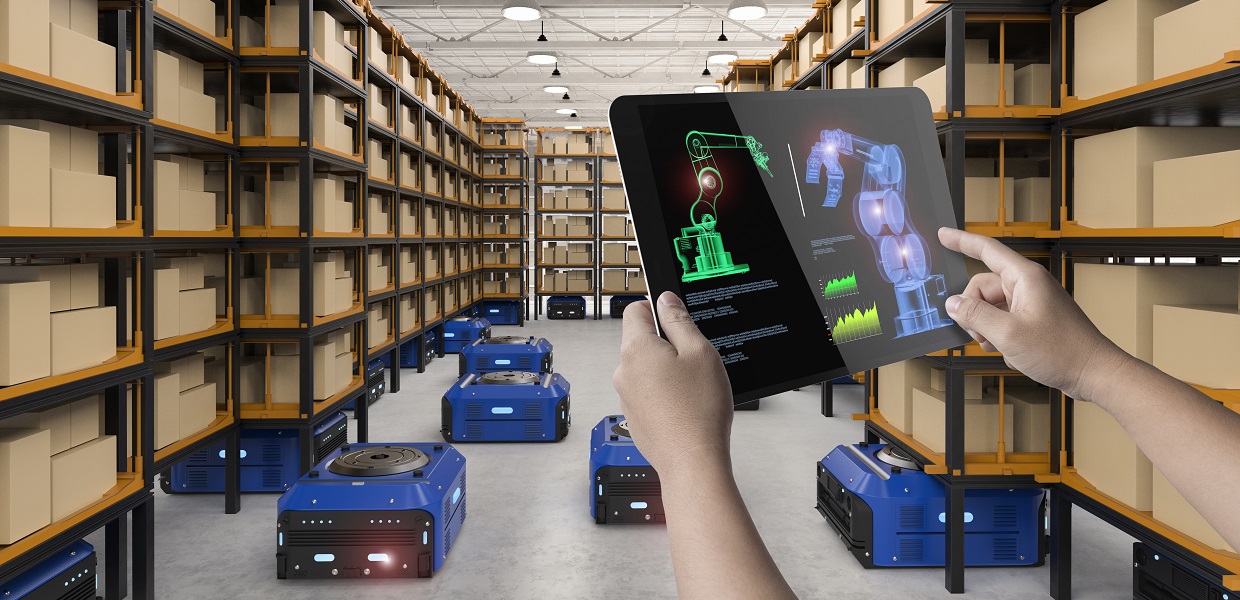
Software-Driven Operational Evolution
The traditional backbone of logistics and fulfilment centres has long been heavy hardware—massive conveyor belts, fixed sorting machines, and rigid infrastructure. However, the industry is witnessing a paradigm shift where the "brain" of the operation is becoming far more critical than the "muscle." Rather than stripping out expensive physical assets to modernise, businesses are finding that updating the control software can yield dramatic improvements in throughput. By implementing advanced, cloud-based warehouse control systems (WCS), operators can optimise the flow of goods through existing machinery, significantly increasing processing speed without the capital expenditure associated with a full facility refit.
This software-first approach focuses on polishing the internal logic of operations. It allows for the integration of intelligent algorithms that manage traffic flow, prioritise orders based on real-time carrier cut-off times, and reduce mechanical wear and tear by smoothing out operational peaks. In the Australian market, where labour costs are high and real estate is at a premium, this ability to extract more value from current footprints is vital. The future profitability of these hubs will depend less on the sheer size of the machinery and more on how effectively data is harnessed to orchestrate movement, turning static storage locations into dynamic, responsive assets.
The Power of Predictive Inventory Management
Beyond moving boxes, the silent revolution is happening in how stock is monitored and managed. Historically, inventory control relied heavily on human intuition and periodic manual counts, leading to the inevitable "ghost stock" or unexpected shortages. Today, data analytics and orchestration engines have transformed this into a precise science. By analysing historical throughput data alongside real-time logistics information, intelligent systems can predict demand surges and automate replenishment before shelves run empty. This moves the operation from a reactive stance—scrambling to fill orders—to a proactive one.
This predictive capability does more than just ensure product availability; it optimises the physical placement of goods. Dynamic slotting algorithms can analyse product velocity and automatically direct staff or robots to move high-turnover items to more accessible locations, minimising travel time. Furthermore, these systems are self-correcting. They learn from daily operational variations, constantly refining their accuracy. The result is a lean inventory model that reduces holding costs while maximising sales opportunities, creating a "single source of truth" for stock levels that eliminates the need for disruptive wall-to-wall stocktakes.
| Feature | Traditional Inventory Management | Data-Driven Orchestration |
|---|---|---|
| Decision Basis | Relies on staff experience and manual schedules. | Driven by real-time algorithms and historical predictive analysis. |
| Space Utilisation | Static bin locations regardless of product velocity. | Dynamic slotting that reorganises stock based on current demand. |
| Response Time | Reactive; shortages detected after orders fail. | Proactive; replenishment triggers automatically before stockouts occur. |
| Accuracy | Prone to human error and data drift over time. | Self-correcting via continuous cycle counting and sensor verification. |
The Shift to Robotics and Flexible Infrastructure
The chronic shortage of skilled labour is a significant challenge across the logistics sector. In the past, automating a facility meant committing to a massive, rigid system that would take years to pay off. This barrier has been lowered significantly by the advent of Robotics-as-a-Service (RaaS). This subscription-based model allows businesses to deploy robotic fleets without the crippling upfront capital investment. Companies can now scale their workforce up or down based on seasonal demand—hiring extra robots for the Christmas rush and off-hiring them in quieter months—mimicking the flexibility usually reserved for casual human labour.
This financial shift democratises access to high-level technology. It is no longer just the domain of massive distribution giants; regional hubs and mid-sized 3PLs (Third Party Logistics) can now integrate autonomous units to supplement their human workforce. This collaboration allows human staff to focus on complex, value-added tasks while robots handle the repetitive, strenuous work of transport and retrieval. The result is a more resilient operation that can maintain high throughput even during labour shortages, ensuring that the supply chain remains unbroken regardless of external market pressures.
Modularity and Swarm Intelligence
Physical flexibility is just as important as financial flexibility. The era of bolting diverse conveyor systems to the concrete floor is fading. Modern requirements demand agility, leading to the rise of Autonomous Mobile Robots (AMRs) that operate using "swarm intelligence." Unlike fixed cranes that run on predetermined rails, these agents function like a biological swarm. They communicate with one another to determine the most efficient paths, avoid obstacles, and re-route instantly if a section of the floor is blocked.
This modularity is a game-changer for businesses dealing with fluctuating product profiles. If the layout of the facility needs to change to accommodate larger pallets or a new packing area, the robots simply map the new environment and adapt; no demolition or rewiring is required. This adaptability extends to the concept of the "multi-agent system," where different types of robots (lifters, sorters, carriers) coordinate their actions seamlessly. If one unit requires charging or maintenance, others in the swarm cover the workload, ensuring there is no single point of failure. This creates a self-healing logistics network that offers a level of reliability that rigid mechanical systems simply cannot match.
Advanced Quality Control and Safety Standards
As the velocity of goods increases, so does the risk of error. In sectors like pharmaceuticals, cold chain, and high-value retail, a shipping mistake can be costly and damaging to brand reputation. To combat this, facilities are integrating vision-based inspection systems that replace the fallible human eye with high-speed cameras and sensors. These systems perform multi-layered checks, scanning barcodes, verifying label integrity, and—crucially—combining visual data with weight sensors to ensure the contents of a carton match the manifest exactly.
This technology does not just catch errors; it diagnoses them. By aggregating data on where and when discrepancies occur, managers can identify upstream process flaws, such as a specific packing station that consistently under-fills boxes. This moves quality control from a gatekeeping activity at the dispatch dock to a continuous improvement loop. For Australian businesses exporting food or sensitive goods, this digital audit trail provides essential proof of compliance and quality assurance, ensuring that the end consumer receives exactly what was ordered, in perfect condition.
| Operational Aspect | Fixed Legacy Infrastructure | Modular & Autonomous Systems |
|---|---|---|
| Layout Flexibility | Rigid; requires construction work to change workflows. | High; robots adapt to new layouts via software mapping. |
| Resilience | Single point of failure (e.g., broken belt stops the line). | Redundant; if one robot fails, the swarm redistributes tasks. |
| Scalability | Difficult; requires purchasing new, heavy machinery. | Easy; additional units can be added to the fleet instantly. |
| Deployment Time | Months to years for planning and installation. | Weeks; plug-and-play integration with existing environments. |
Safety Compliance and Predictive Maintenance
The introduction of automation brings new safety considerations, particularly regarding the lithium-ion batteries that power mobile fleets. Compliance with strict fire safety and electrical standards is paramount. Modern systems are designed with these regulations in mind, featuring intelligent battery management systems that monitor thermal runaway risks and automate charging cycles to prevent overheating. Furthermore, the shift towards automation supports safer ergonomic practices for human workers. By offloading the heavy lifting and long-distance walking to AMRs, the physical strain on staff is drastically reduced, lowering the incidence of workplace injuries.
Parallel to safety is the concept of predictive maintenance. The "run-to-failure" model, where equipment is fixed only after it breaks, is obsolete. Today's smart assets are equipped with IoT sensors that monitor vibration, temperature, and power consumption. These sensors detect the subtle signs of a failing bearing or a misaligned motor long before a breakdown occurs. Maintenance can then be scheduled during non-operational hours, preventing costly unplanned downtime. This transition from reactive repairs to data-driven asset care ensures that the facility operates at peak efficiency, safeguarding both the machinery and the people working alongside it.