
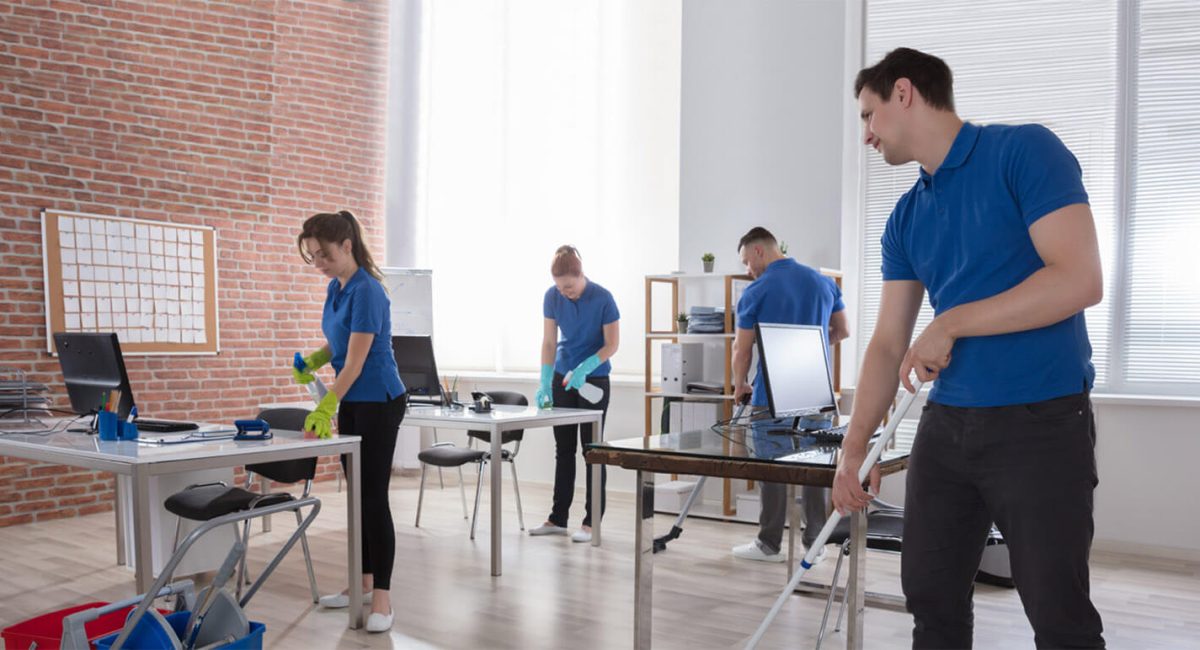
😀The Role of Office Cleaners in Enhancing Workplace Productivity
1. Reducing Sick Leave and Improving Health
Office cleaners are instrumental in minimizing the spread of germs and bacteria. Regular cleaning, disinfecting surfaces, and maintaining hygiene standards drastically reduce the risk of employees contracting illnesses. A healthier workforce translates directly into fewer sick days and increased productivity. By diligently cleaning restrooms, kitchens, and common areas, cleaners help create a healthier environment, fostering greater employee well-being and sustained productivity.
2. Creating an Organized and Efficient Workspace
Beyond basic cleanliness, office cleaners contribute to workplace organization. By ensuring that desks are clear, common areas are tidy, and supplies are readily accessible, they help create a more efficient workspace. A well-organized office minimizes distractions and reduces the time employees spend searching for items, allowing them to focus on their tasks and improve their overall productivity.
3. Enhancing Air Quality and Cognitive Function
Dust, allergens, and other airborne particles can negatively impact air quality and cognitive function. Office cleaners play a critical role in maintaining good air quality by regularly vacuuming, dusting, and ventilating the workspace. Improved air quality can lead to enhanced concentration, reduced allergy symptoms, and increased overall cognitive performance, ultimately boosting employee productivity.
4. Contributing to a Positive and Professional Image
A clean and well-maintained office creates a positive impression on both employees and visitors. It reflects professionalism and attention to detail, enhancing the company's image and reputation. A clean and inviting workspace can boost employee morale, creating a more pleasant and productive work environment. This positive atmosphere can also attract and retain top talent.
5. Preventing Equipment Malfunctions and Downtime
Regular cleaning of office equipment, such as computers, printers, and copiers, is essential for preventing malfunctions and downtime. Dust and debris buildup can lead to overheating, mechanical failures, and reduced equipment lifespan. Office cleaners help maintain equipment functionality by cleaning screens, keyboards, and internal components, ensuring smooth operations and minimizing disruptions to workflow.
🤖Technological Innovations Transforming Office Cleaning Services
The integration of technology is revolutionizing office cleaning, enhancing efficiency, precision, and sustainability in maintaining workspaces. These advancements promise a cleaner, healthier, and more productive office environment.
1. Robotic Cleaning Solutions
Robotic cleaning devices, including vacuum cleaners and floor scrubbers, are increasingly common. These robots can autonomously navigate office spaces, cleaning floors and carpets efficiently. Equipped with sensors and mapping technology, they avoid obstacles and optimize cleaning routes. This technology reduces labor costs and provides consistent cleaning, especially during off-hours. Some advanced models even feature UV-C light sanitization for enhanced disinfection.
2. Smart Sensors and IoT Integration
Smart sensors and the Internet of Things (IoT) are transforming office cleaning by providing real-time data on cleanliness levels. Sensors can detect when restrooms need restocking or areas require immediate cleaning due to spills. This data is transmitted to cleaning staff via mobile devices, enabling targeted and efficient responses. IoT integration optimizes cleaning schedules and resource allocation, reducing waste and improving overall service quality.
3. Chemical-Free Cleaning Technologies
Innovative technologies are emerging to reduce the reliance on harsh chemicals in office cleaning. Electrostatic sprayers apply disinfectants more efficiently and evenly, while reducing chemical usage. Ozone and UV-C light sanitization offer chemical-free alternatives for disinfecting surfaces and air. These methods are safer for employees and the environment, promoting healthier indoor air quality and reducing the risk of allergic reactions.
👩⚕️Health and Safety Standards in Commercial Office Cleaning
Maintaining a clean office environment goes beyond mere aesthetics; it directly impacts employee health and safety. Adhering to rigorous standards minimizes risks, prevents the spread of illness, and fosters a productive workspace.
1. Chemical Handling and Storage
Commercial cleaning often involves the use of various chemicals, some of which can be hazardous if mishandled. Proper training on chemical usage, including dilution ratios and application methods, is crucial. All cleaning products must be clearly labeled and stored in designated, secure areas away from food preparation or consumption zones. Safety Data Sheets (SDS) should be readily available for all chemicals, providing detailed information on potential hazards and first aid measures. Furthermore, using eco-friendly and less toxic alternatives whenever possible can significantly reduce health risks.
2. Infection Control and Hygiene
Office cleaning plays a vital role in preventing the spread of infections. High-touch surfaces like doorknobs, light switches, and keyboards should be regularly disinfected using appropriate cleaning agents. Proper hand hygiene practices, including frequent handwashing and the use of hand sanitizers, are essential for both cleaning staff and office occupants. In situations like flu season or a pandemic, enhanced cleaning protocols, such as increased disinfection frequency and the use of specialized equipment like electrostatic sprayers, may be necessary to minimize the risk of transmission.
3. Equipment Safety and Maintenance
The equipment used in commercial cleaning, such as vacuum cleaners, floor scrubbers, and pressure washers, can pose safety risks if not properly maintained and operated. Regular equipment inspections and maintenance are crucial to ensure they are in safe working condition. Cleaning staff should receive thorough training on the safe operation of all equipment, including the use of personal protective equipment (PPE) like gloves, eye protection, and respirators when necessary. Faulty equipment should be immediately taken out of service and repaired or replaced.
4. Waste Management and Disposal
Proper waste management is essential for maintaining a healthy and safe office environment. Waste should be sorted into appropriate categories (e.g., recyclables, general waste, hazardous waste) and disposed of according to local regulations. Biohazardous waste, such as used needles or contaminated materials, must be handled with extreme care and disposed of in designated containers. Cleaning staff should be trained on proper waste handling procedures to minimize the risk of exposure to harmful substances.
🗣Common Misconceptions About Office Cleaning Jobs and Careers
Many people underestimate the complexity and importance of office cleaning, often holding inaccurate beliefs about the profession and its career potential.
1. It's Unskilled Labor
The misconception that office cleaning requires no skill is far from the truth. Modern cleaning involves understanding various cleaning agents, operating specialized equipment, and adhering to strict hygiene standards. For example, knowing the correct dilution ratios for disinfectants and understanding the material composition of different surfaces is crucial for effective and safe cleaning. Furthermore, many cleaning companies now require certifications in areas like infection control and hazardous material handling, demonstrating the need for specialized knowledge.
2. It's a Dead-End Job
While some may view office cleaning as a temporary or dead-end job, there are actually opportunities for career advancement. Individuals can progress to supervisory roles, team leadership positions, or even management within cleaning companies. Furthermore, some cleaners specialize in niche areas like green cleaning or deep sanitization, increasing their earning potential and marketability. Continuous training and professional development are key to unlocking these opportunities.
3. It's Only About Emptying Trash Cans
The scope of office cleaning extends far beyond simply emptying trash cans. It encompasses a wide range of tasks, including dusting, vacuuming, mopping, sanitizing restrooms, cleaning kitchens, and maintaining common areas. The goal is to create a healthy and productive work environment for employees. In fact, a clean office can significantly reduce the spread of germs and improve employee morale and productivity.
4. Anyone Can Do It
While the basic tasks of cleaning may seem simple, achieving a consistently high level of cleanliness requires attention to detail, physical stamina, and a strong work ethic. Professional cleaners are trained to identify potential hazards, follow safety protocols, and work efficiently to minimize disruption to the office environment. Furthermore, they understand the importance of using the right tools and techniques to achieve optimal results.
👉Q&A
Question 1: What are the key ways in which office cleaners contribute to a more productive workplace, according to the provided text?
Answer: Office cleaners contribute to productivity in several key ways: maintaining cleanliness and hygiene to reduce sick leave and improve well-being; creating an organized and efficient workspace to minimize time wasted searching for items; enhancing air quality to improve cognitive function; contributing to a positive atmosphere to boost morale and client perception; and preventing equipment malfunctions through regular maintenance.
Question 2: What technological innovations are transforming office cleaning services, and what are their benefits?
Answer: Technological advancements include robotic cleaning solutions for efficient and consistent cleaning, smart sensors and IoT integration for real-time data on cleanliness and optimized cleaning schedules, and chemical-free cleaning technologies like electrostatic sprayers, ozone, and UV-C light sanitization for safer and more environmentally friendly cleaning. These innovations improve efficiency, precision, and sustainability.
Question 3: What are some crucial health and safety standards that need to be adhered to in commercial office cleaning?
Answer: Key health and safety standards include proper chemical handling and storage, including training, labeling, and secure storage; infection control and hygiene practices such as regular disinfection of high-touch surfaces and proper hand hygiene; equipment safety and maintenance, including regular inspections, training, and safe operation; and proper waste management and disposal according to local regulations, especially for biohazardous waste.
Question 4: How do professional office cleaning agencies impact the economy?
Answer: Professional cleaning agencies contribute economically through job creation and employment opportunities, supporting business productivity by enabling companies to focus on core operations, contributing to related industries like cleaning supplies and equipment manufacturing, and positively impacting employee health and well-being, reducing healthcare costs associated with illness.