
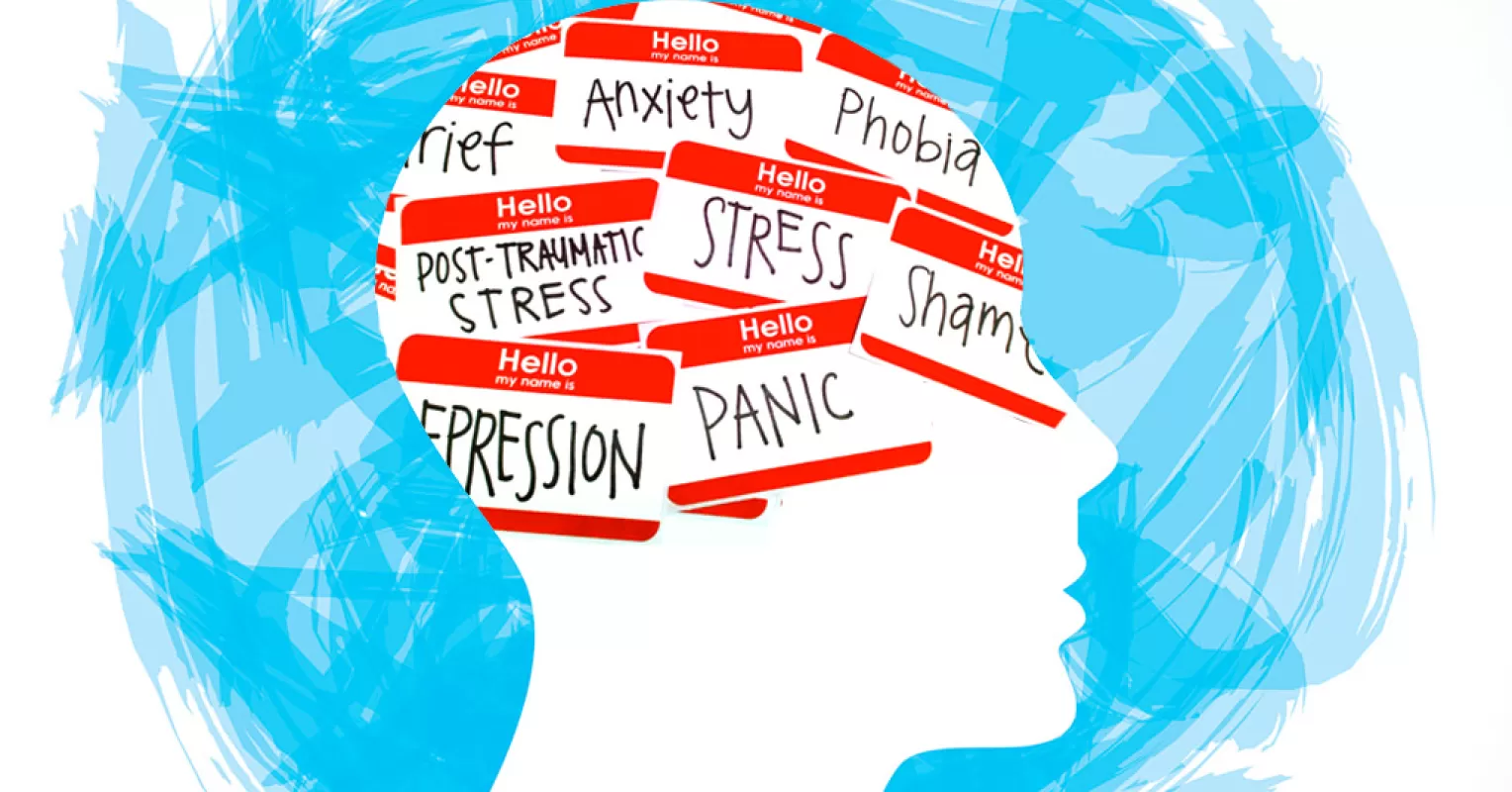
The Basics of Mental Health
Mental health encompasses emotional, psychological, and social well-being. It affects cognition, perception, and behavior. Maintaining mental health involves managing stress effectively, maintaining good relationships, and making sound decisions. It's important to recognize that mental health can fluctuate due to various factors such as genetics, life experiences, and family history. For instance, a person with a family history of depression may be more susceptible to developing the condition, but this does not guarantee it. Environmental factors, lifestyle choices, and social support also play significant roles in determining mental health outcomes.
Factors Influencing Mental Health
Several factors contribute to mental health:
- Biological factors: These include genetics and brain chemistry. For example, imbalances in neurotransmitters like serotonin and dopamine can contribute to conditions such as depression and anxiety.
- Life experiences: Trauma or abuse can significantly impact mental health. Events such as childhood abuse, domestic violence, or natural disasters can leave lasting psychological scars.
- Family history: A history of mental health problems can increase risk. However, it is important to note that mental illness is not solely determined by genetics. Environmental and psychological factors also play a crucial role.
Understanding these factors helps in identifying potential triggers and managing them effectively. For instance, recognizing that stress from a high-pressure job could be contributing to anxiety allows individuals to take proactive steps, such as seeking stress management techniques or adjusting their work environment.
Common Mental Health Disorders
Mental illnesses are common but vary widely in terms of symptoms and severity. Some prevalent disorders include:
- Anxiety Disorders: Characterized by excessive fear or worry. Generalized anxiety disorder (GAD), social anxiety disorder, and panic disorder are some of the most common forms. Symptoms may include restlessness, difficulty concentrating, and physical manifestations such as rapid heartbeat or sweating.
- Mood Disorders: Such as depression or bipolar disorder. Depression is marked by persistent feelings of sadness, loss of interest, and fatigue, while bipolar disorder involves extreme mood swings between mania and depression.
- Psychotic Disorders: Including schizophrenia. These disorders involve a distortion of reality, leading to hallucinations, delusions, and disorganized thinking.
Recognizing symptoms early can lead to better management and treatment outcomes. For example, early intervention in schizophrenia can significantly improve quality of life and reduce the impact of symptoms.
The Importance of Medical Check-Ups for Mental Health
Regular medical check-ups play a vital role in maintaining mental well-being. They help in early detection of any underlying issues that might affect mental health. For instance, conditions such as hypothyroidism or vitamin deficiencies can mimic symptoms of depression or anxiety, and addressing these physical issues can lead to significant improvements in mental health.
Medical Check-Up Proposal
A comprehensive medical check-up proposal should include:
- Physical Examination: To rule out physical causes of symptoms. This may involve blood tests, thyroid function tests, or other diagnostic procedures to identify any underlying medical conditions.
- Mental Health Screening: Using standardized tools to assess psychological well-being. Tools such as the Patient Health Questionnaire (PHQ-9) for depression or the Generalized Anxiety Disorder (GAD-7) scale can help identify potential mental health issues.
- Lifestyle Assessment: Evaluating diet, exercise, sleep patterns, and substance use. Poor diet, lack of exercise, and substance abuse can all contribute to mental health problems, and addressing these factors can have a positive impact on overall well-being.
These components ensure a holistic approach to health care, addressing both physical and mental health needs.
Medical Check-Up Application
Technology has made it easier to keep track of medical appointments and records through applications. These applications offer:
- Appointment scheduling: Ensuring that individuals do not forget important check-ups.
- Medication reminders: Helping individuals adhere to prescribed treatment plans.
- Access to personal health records: Allowing individuals to review their medical history and track changes over time.
Using such applications can streamline the process of regular check-ups and improve overall adherence to mental health care.
Medical Check-Up Guide
A guide for medical check-ups should address:
- Frequency of visits: For example, annual check-ups for adults or more frequent visits for individuals with a history of mental health issues.
- Types of tests required: Depending on age, gender, and medical history, different tests may be recommended.
- Preparation tips for appointments: Such as keeping a journal of symptoms or bringing a list of current medications.
This ensures individuals are well-prepared and informed about their healthcare needs, leading to more effective outcomes.
Personal Stories: The Power of Sharing Experiences
Hearing from those who have experienced mental illness can be both comforting and enlightening. Personal stories highlight the challenges faced by individuals with mental illness and their journeys toward recovery. These narratives can help reduce stigma, provide hope, and encourage others to seek help when needed.
Impactful Mental Illness Stories
Stories from people who have battled mental illness provide insight into:
- The reality of living with a mental disorder: For example, the daily struggles of managing symptoms, the impact on relationships, and the challenges of maintaining employment.
- Coping mechanisms that have been effective: Such as therapy, mindfulness practices, or support groups.
- The importance of support systems: Family, friends, and mental health professionals play a crucial role in the recovery process.
These narratives emphasize the human aspect of mental health challenges and the resilience required to overcome them. They also highlight the importance of seeking help and the potential for recovery with appropriate treatment and support.
Q&A on Mental Health
Here are some frequently asked questions about mental health:
Q: What are early signs of mental illness?
A: Early signs may include changes in mood or behavior, withdrawal from social activities, changes in eating or sleeping patterns, or difficulty concentrating. For example, a person who was previously outgoing may become withdrawn and avoid social interactions, or someone who slept well may start experiencing insomnia.
Q: How can I support someone with a mental illness?
A: Offer nonjudgmental listening, encourage them to seek professional help, provide emotional support, and educate yourself about their condition. For instance, you can listen without judgment, accompany them to appointments, and learn about their specific condition to better understand their needs.
Q: Is medication always necessary for treating mental illnesses?
A: Not always; treatment varies depending on the individual and type of disorder. Therapy, lifestyle changes, and support groups can also be effective. For example, cognitive-behavioral therapy (CBT) has been shown to be highly effective for anxiety and depression, and lifestyle changes such as regular exercise and a healthy diet can also improve mental health.
Q: How do I know if I need a medical check-up for my mental health?
A: If you experience persistent symptoms affecting your daily life or if you notice significant changes in your behavior or emotions, consider scheduling a check-up. For example, if you are experiencing ongoing feelings of sadness, difficulty sleeping, or loss of interest in activities you once enjoyed, it may be time to seek professional help.
Q: Can lifestyle changes improve my mental health?
A: Yes, regular exercise, a balanced diet, adequate sleep, stress management techniques like meditation or yoga can all contribute positively to mental well-being. For instance, exercise releases endorphins, which can improve mood, while a balanced diet provides the nutrients necessary for optimal brain function.
Data on Mental Health Prevalence
Below is a table illustrating the prevalence rates of common mental disorders globally:
| Disorder | Prevalence Rate (%) |
| Anxiety Disorders | 3.8 |
| Depression | 4.4 |
| Bipolar Disorder | 0.6 |
| Schizophrenia | 0.3 |
Source: World Health Organization (WHO)
Understanding these statistics underscores the widespread nature of these conditions and highlights the importance of addressing them proactively. For example, knowing that anxiety disorders affect 3.8% of the global population can help raise awareness and encourage individuals to seek help when needed.
References
- https://laopcenter.com/mental-health/test/
- https://tea.texas.gov/about-tea/other-services/mental-health/mental-health-and-behavioral-health
- https://divisionofresearch.kaiserpermanente.org/vital-signs-for-mental-health/
- https://www.cvshealth.com/services/health-care-and-wellness/behavioral-health-and-mental-well-being.html
- https://www.childrens.com/health-wellness/how-to-do-a-mental-health-check-in-with-kids