
The Unseen War in the Subsurface
The Heterogeneous Nature of Soil Environments
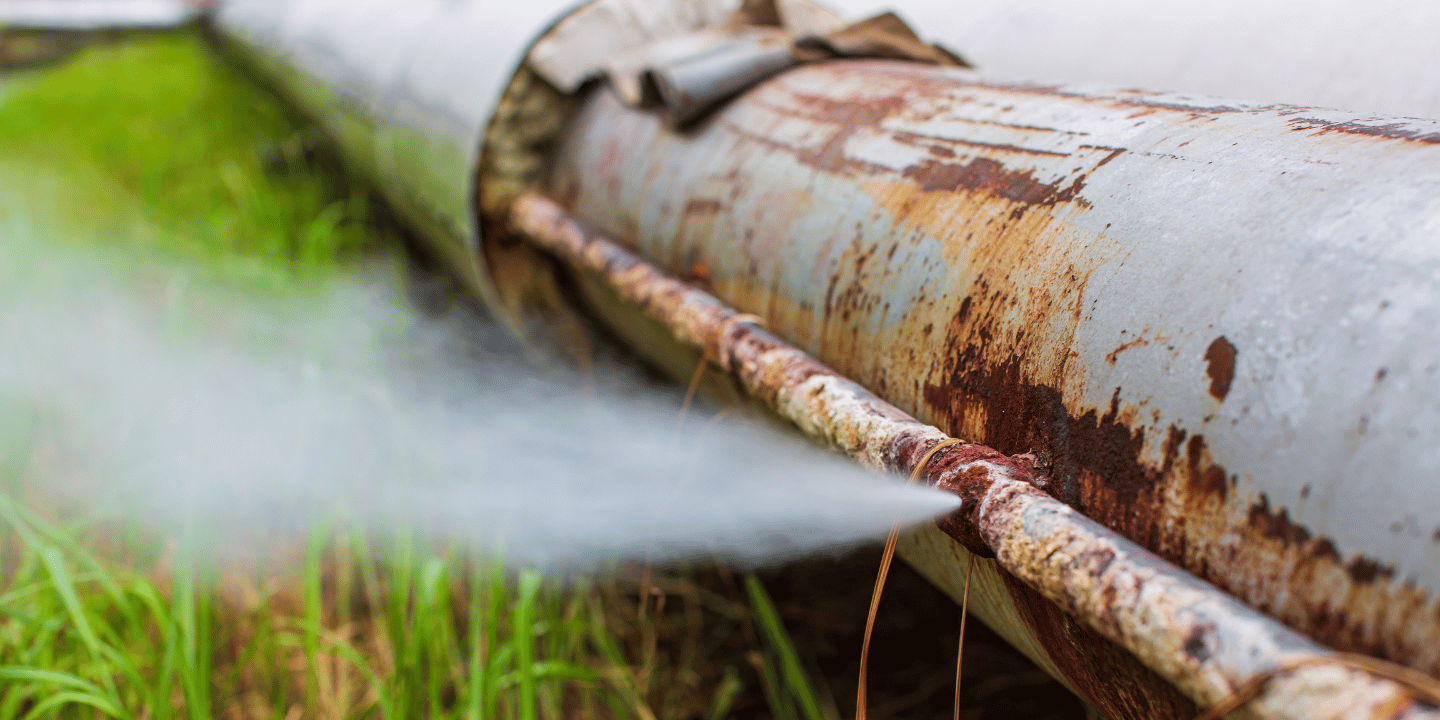
The challenge of maintaining subterranean infrastructure lies primarily in the complexity of the environment surrounding it. To the untrained eye, the ground beneath us appears solid and uniform, yet for a metallic asset buried meters deep, the reality is a chaotic mix of chemical and physical variables. Soil is rarely a single substance; it is a heterogeneous blend of clay, silt, sand, gravel, and organic matter. This diversity creates a unique set of hazards for steel structures. For instance, heavy clay soils tend to retain significant moisture and have poor aeration, creating conditions ripe for anaerobic bacterial activity which can aggressively attack metal. Conversely, sandy soils allow for high oxygen permeation, fueling oxidation reactions through different mechanisms.
The situation is further complicated by the variability of chemical properties such as acidity (pH), salt concentration, and resistivity. A pipeline spanning several miles might traverse a highly acidic peat bog before entering a zone of alkaline limestone. These distinct environments do not just act independently; the transition zones between different soil types can create differential aeration cells, accelerating deterioration at the boundaries. Furthermore, seasonal changes affect the water table and soil conductivity, meaning the chemical "attack" on the pipe is dynamic, fluctuating throughout the year. Because these assets are buried under thick layers of earth, visual inspection is impossible without expensive excavation. Consequently, without sophisticated intervention, the degradation process continues silently in the dark, often remaining undetected until a critical failure occurs.
The Electrochemistry of Metal Decay
To effectively combat the degradation of buried infrastructure, one must first understand the fundamental science at play: electrochemistry. In simple terms, refined metals like steel are in an energy-rich state and have a natural thermodynamic tendency to revert to their more stable, oxidized ore forms. When a steel pipe is buried in moist soil, the groundwater acts as an electrolyte, facilitating the flow of electrons between different areas of the metal surface. This flow of current is the essence of corrosion. Anodic sites on the pipe release electrons and dissolve into the soil as ions—this is where the physical loss of metal occurs. Meanwhile, cathodic sites accept these electrons, remaining physically intact but facilitating the reaction.
This process is often likened to a battery operating in slow motion. However, the reactions can be surprisingly complex. For example, in environments devoid of oxygen, sulfate-reducing bacteria can colonize the pipe surface, utilizing hydrogen to accelerate the electrochemical process in a phenomenon known as microbiologically influenced corrosion (MIC). This type of attack is particularly insidious because it can cause rapid, localized pitting that penetrates pipe walls much faster than general rusting. The interaction between the metal surface and the surrounding electrolyte creates a continuous circuit. Stopping this natural process requires interrupting the circuit, either by isolating the metal from the electrolyte physically or by manipulating the electrical potential of the metal itself so that it no longer has the urge to release electrons.
Physical Barriers and Application Mastery
Multi-Layered Defense Systems
The first line of defense in protecting underground assets is the application of high-performance coatings. Modern engineering has moved far beyond simple paints, evolving into sophisticated, multi-layered systems designed to function as an impenetrable skin. The primary goal is to create a complete physical barrier that isolates the steel substrate from the surrounding electrolyte (soil moisture). Today’s advanced solutions often employ a "composite" approach, where different materials are layered to achieve a balance of properties that a single material could not offer.
For example, the innermost layer is typically chosen for its superior adhesion properties and chemical resistance. Fusion-bonded epoxies are common here, as they cross-link with the metal surface to prevent cathodic disbondment—a phenomenon where the coating peels away due to electrochemical reactions. The outer layers, however, have a different purpose. They must withstand the physical rigors of installation, such as the scraping of rocks during backfilling or the immense pressure exerted by the soil over decades. Materials like polyethylene or polypropylene are often used as topcoats to provide this mechanical toughness. Furthermore, specific wrapping materials are utilized for field joints and irregular shapes, ensuring that the protection is continuous even where pipes are welded together.
| Coating Layer Function | Primary Characteristic | Role in Protection System |
|---|---|---|
| Primer / Inner Layer | High Chemical Adhesion | Bonds directly to the steel to prevent moisture under-creep and resists chemical attack at the surface. |
| Intermediate Layer | Thermal/Chemical Barrier | Acts as a transition zone that enhances the bond between the hard inner layer and the flexible outer layer. |
| Outer Sheath | Mechanical Toughness | Protects the underlying layers from physical damage during transport, burial, and soil shifting (abrasion/impact). |
| Joint Wrap/Sleeve | Flexibility and Seal | Seals weld joints and irregular fittings onsite, ensuring the barrier remains unbroken across the entire network. |
The Critical Role of Surface Preparation
Even the most scientifically advanced coating materials will fail if the application process lacks precision. The longevity of a protective system is determined not just by the chemistry of the polymer, but by the "anchor pattern" of the metal surface it covers. Before any coating is applied, the steel must undergo rigorous preparation, typically involving abrasive blasting. This process serves two purposes: it removes all traces of rust, mill scale, and contaminants that could interfere with bonding, and it creates a microscopic roughness—peaks and valleys—on the metal surface.
This roughness increases the surface area significantly, allowing the primer to mechanically interlock with the steel substrate. If the surface is too smooth, the coating may simply sit on top like a sticker, liable to peel off under stress. Conversely, if the profile is too jagged, peaks of metal might protrude through the primer, creating weak points. Environmental control during this phase is paramount; humidity and temperature must be strictly monitored. If moisture condenses on the freshly blasted steel before the coating is applied (a phenomenon known as "flash rust"), the bond will be compromised from day one. Therefore, the "art" of coating is a discipline of strict adherence to specifications, ensuring that the physical barrier becomes an integral part of the pipe rather than a superficial addition.
Active Electrical Defense Mechanisms
Sacrificial Anode Systems
While coatings provide a passive barrier, they are rarely perfect. Microscopic pinholes or damage during installation can expose small areas of bare metal to the soil. To protect these vulnerable spots, engineers employ an active technique known as cathodic protection. The most intuitive form of this is the galvanic or "sacrificial" anode system. This method relies on the natural electrical potential differences between metals. By connecting the steel pipe to a more electrochemically active metal—such as magnesium, zinc, or aluminum—engineers create a protective circuit.
In this relationship, the attached metal acts as the anode and the steel pipe becomes the cathode. Because the anode is more "willing" to give up electrons, it corrodes in place of the steel. It effectively sacrifices itself to preserve the structural integrity of the pipeline. This method is likened to a bodyguard taking a bullet for a client. The electrons flow from the sacrificial anode through the wire to the pipe, and then into the soil solution, neutralizing the corrosion currents that would otherwise attack the steel. These systems are particularly advantageous for well-coated, shorter pipeline sections or distribution networks in congested urban areas because they are self-regulating and do not require an external power source. They are simple, robust, and require minimal maintenance until the anodes are fully consumed and need replacement.
Impressed Current Systems for Large Networks
For extensive transmission pipelines that span hundreds of miles, or for bare pipes requiring high current levels, sacrificial anodes often lack the driving voltage to provide adequate protection. In these scenarios, the industry utilizes Impressed Current Cathodic Protection (ICCP). Instead of relying on the natural potential difference between metals, ICCP uses an external power supply—a transformer-rectifier—to force a protective current from an inert anode bed through the soil and onto the pipeline.
This method allows for precise control over the protection levels. Operators can adjust the current output to compensate for changes in soil resistivity or coating degradation over time. The installation often involves drilling deep vertical groundbeds to house the anodes, ensuring the current is distributed deeply and evenly through the earth layers to reach the pipe. While this system is more complex and requires a constant power supply, it is the only viable option for protecting large-scale energy infrastructure. It essentially overpowers the natural corrosion reactions, flooding the metal surface with electrons and rendering the steel thermodynamically immune to the surrounding environment.
Digital Intelligence in Corrosion Management
Predictive Modeling and Asset Lifespan
The transition from reactive repairs to proactive asset management has been driven by the integration of specialized software into corrosion control. Historically, operators relied heavily on experience and spot-checks, which often left gaps in understanding the true condition of a pipeline. Today, advanced algorithms digest vast amounts of variables—including soil composition, coating type, age, cathodic protection readings, and operating temperature—to simulate the corrosion environment with high fidelity.
These software platforms do not just record data; they model the future. By analyzing trends in wall thickness measurements and potential shifts, these tools can predict where and when a failure is likely to occur. For instance, if a specific section of a pipeline shows a gradual increase in current demand, the software can flag this as an indication of coating breakdown long before a leak occurs. This predictive capability allows operators to calculate the "remaining life" of the asset scientifically. It transforms corrosion control from a game of chance into a precise management science, enabling targeted excavations and repairs that save millions in emergency response costs and environmental cleanups.
| Management Approach | Methodology | Outcome & Efficiency |
|---|---|---|
| Reactive Maintenance | "Fix it when it breaks." Repairs are initiated only after leaks or failures are detected visually or by pressure loss. | Low Efficiency. High emergency costs, environmental damage, and potential service interruptions. |
| Schedule-Based Maintenance | Inspections occur at fixed time intervals regardless of actual asset condition. | Medium Efficiency. May lead to unnecessary digging of healthy pipes or missing rapidly degrading sections between checks. |
| Predictive (Software-Driven) | Uses data modeling to forecast specific risk zones and degradation rates, directing resources to high-risk areas. | High Efficiency. Optimizes budget allocation, extends asset life, and minimizes downtime through targeted intervention. |
Visualization and Decision Support
One of the most powerful aspects of modern corrosion software is its ability to visualize the invisible. Data collected from thousands of test points is often overwhelming when viewed in spreadsheets. However, when integrated into Geographic Information Systems (GIS), this data forms a comprehensive "health map" of the pipeline network. Color-coded overlays can reveal localized "hotspots" of low voltage or high corrosion rates that might correlate with specific environmental features, such as a river crossing or a change in soil type.
This visualization is crucial for decision-making at the executive level. It bridges the gap between field technicians and management. Instead of abstract technical reports, stakeholders can see clear evidence of where investments in rehabilitation are needed. Furthermore, these digital tools facilitate regulatory compliance by maintaining an immutable record of inspections and protective actions. As the industry moves toward smarter infrastructure, the ability to centralize data—linking protective current readings directly with inline inspection logs—ensures that the strategy for combating corrosion is dynamic, responsive, and data-driven.
Q&A
-
What is Pipeline Corrosion Prediction Software and how does it work?
Pipeline Corrosion Prediction Software is a technological tool designed to assess and predict the corrosion rate and potential failure points in pipelines. It utilizes data analytics and algorithms to analyze environmental factors, pipeline material properties, and historical corrosion data to forecast corrosion trends. This allows for proactive maintenance and reduced risk of pipeline failures.
-
How does Cathodic Protection work for underground piping?
Cathodic Protection is a technique used to control the corrosion of a metal surface by making it the cathode of an electrochemical cell. For underground piping, it involves applying a sacrificial anode or an impressed current system to redirect the corrosive current away from the pipe and towards the anode, thereby protecting the pipe from deterioration.
-
What are the benefits of using pipe coating materials for corrosion prevention?
Pipe coating materials provide a physical barrier between the pipe and its environment, reducing exposure to corrosive elements such as water, chemicals, and soil. These coatings enhance the longevity of the pipeline, reduce maintenance costs, and improve safety by minimizing the risk of leaks and failures.
-
Why is temporary cathodic protection necessary for pipelines?
Temporary cathodic protection is crucial during the construction or repair phases of pipelines when permanent protection systems are not yet operational. It helps to prevent corrosion during these vulnerable periods, ensuring the integrity of the pipeline until the permanent systems are in place.
-
What are some common types of corrosion prevention methods for steel pipes?
Common types of corrosion prevention methods for steel pipes include cathodic protection, the use of corrosion inhibitors, protective coatings, and wrapping materials. Each method offers unique advantages and is selected based on the specific environmental conditions and operational requirements of the pipeline.