
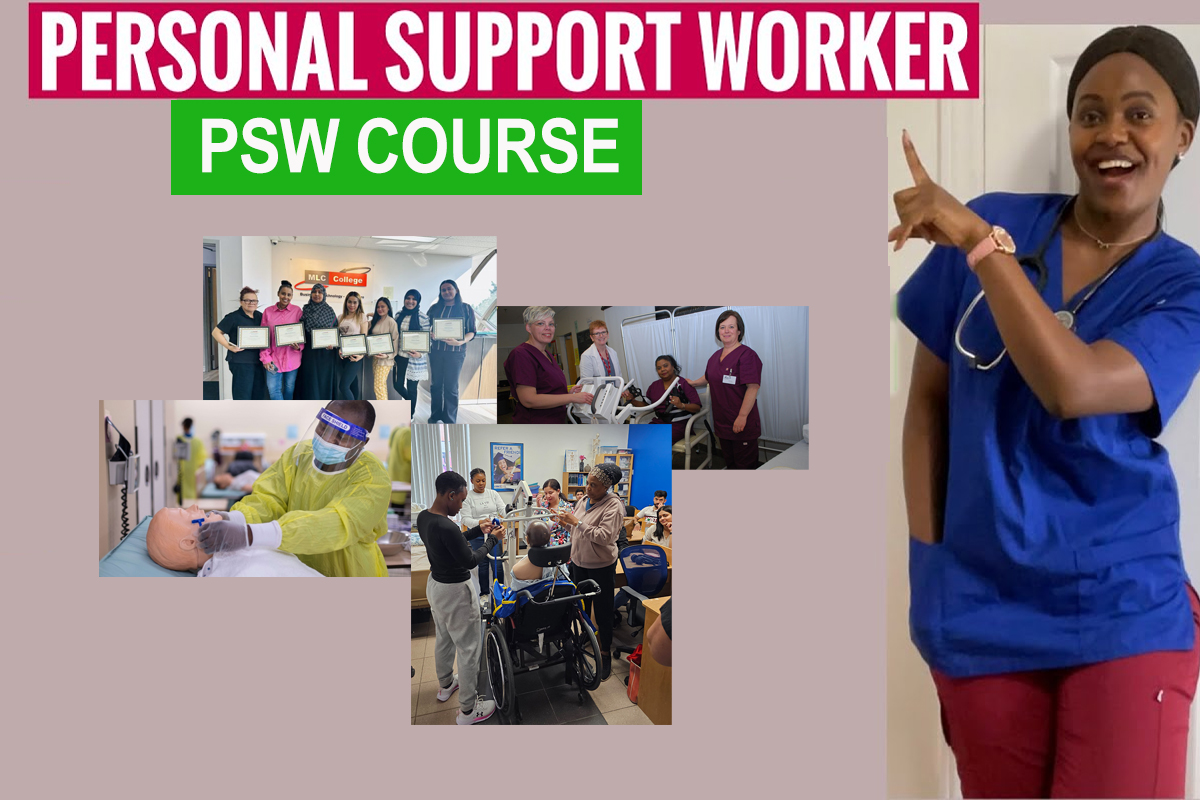
From “What Does a PSW Actually Do?” to “Is It Right for Me?” A Plain-Language Look at the Role and Daily Work.
If you’re hearing a lot about Personal Support Workers and wondering what the job really looks like day to day, you’re not alone. Let’s walk through what PSWs actually do in Canadian homes and care settings, and then sort out who usually thrives in this role.
1. What a PSW really does in day-to-day work.
Most PSWs spend their day providing hands-on bedside and personal care for seniors, people with disabilities, or folks recovering after illness or surgery. That can mean helping someone get out of bed safely, supporting them in the shower, assisting with dressing, grooming, and toileting, and making sure mobility aids are used properly.
Beyond basic care, PSWs plan and prepare meals, offer feeding help, and handle light housekeeping so the home stays safe and comfortable. They follow a care plan that focuses on physical, emotional, social, intellectual, and even spiritual needs. In many jobs they use electronic charting, help prevent infections, and support people living with dementia or who are at the end of life, often becoming a steady, trusted presence for families.
| Typical PSW Task Area | What It Often Looks Like in Real Life | Extra Skills That Quietly Help |
|---|---|---|
| Personal and mobility care | Morning routines, safe transfers, toileting support, positioning in bed | Body mechanics, observation, calm coaching |
| Home and comfort support | Simple meals, light cleaning, laundry, organizing safe spaces | Time management, basic nutrition awareness |
| Emotional and social support | Conversation, reassurance, activities, family updates | Empathy, cultural sensitivity, active listening |
| Teamwork and documentation | Following care plans, charting, reporting changes to nurses or leads | Clear writing, assertive communication |
| Special care situations | Dementia behaviors, end-of-life comfort, post-surgery routines | Patience, boundary setting, stress tolerance |
2. Is becoming a PSW the right fit for you?
Demand for PSWs is growing fast in home care, long-term care, and community programs, so it’s a solid option if you’re looking for steady, in-demand work with clear employer connections. Many people start with a PSW certificate, often from a program that includes clinical placements, and build toward other healthcare roles over time.
You’re likely a good fit if you’re patient, kind, physically active, and comfortable with personal care and shift work. Good English skills, a reliable vehicle for home visits, and some knowledge of geriatric, dementia, or palliative care are strong assets. On the other hand, if you find close personal care, emotional goodbyes, or irregular hours overwhelming, it’s worth thinking carefully before committing to this path.
Free PSW Course vs. Paid College Program: How Different Training Paths Affect Your Skills, Certification, and Pay.
Thinking about becoming a PSW can be confusing when you see free community programs beside longer paid college options. The big differences usually show up in how deep your skills go, how strong your certification is, and what kind of pay you can realistically ask for in Canada.
1. Skills and day‑to‑day confidence.
Free PSW courses are often shorter and very focused on basic caregiving tasks: personal care, safe transfers, simple documentation, and communication. They can be a good way to “test the waters” if you are unsure about the job or juggling work and family, but hands‑on practice hours may be limited, and some topics are only covered on the surface.
Paid college programs usually give you more classroom time, more lab practice, and longer clinical placements in different care settings. That extra exposure means you see more complex clients, learn to work in teams with nurses and therapists, and get more feedback. Over time, this often shows up as better problem‑solving on shift and more confidence when emergencies or family conflicts pop up.
2. Certification, jobs, and paycheques.
In many places, employers strongly prefer PSWs who completed an approved college or publicly recognized program. Paid programs are more likely to meet those provincial standards, which can matter when you apply to hospitals, larger long‑term care homes, or unionized positions that list specific credentials and minimum training hours in the posting.
Free programs may issue a certificate, but if it is not widely recognized, you might be limited to casual, lower‑paid roles or agencies that accept varied training backgrounds. Over time, a recognized college credential can help you access steadier schedules, slightly higher starting wages, and more chances to move into lead PSW roles or bridge into nursing or other health programs.
| Learner Situation | Free / Short PSW or Health Course May Suit You If… | Paid College PSW Program May Suit You If… |
|---|---|---|
| Balancing work and family | You need flexible hours and a quick way to explore care work | You can commit to a more fixed timetable for a stronger start |
| Career certainty | You are still testing whether frontline care is emotionally right for you | You are already sure you want a long-term role in health care |
| Financial readiness | You prefer to limit upfront spending while you “try before you invest” | You see education as a longer-term investment in stability |
| Job expectations | You are open to more casual, entry-level roles at first | You hope to access broader, more structured positions over time |
| Future study plans | You are not yet thinking about bridging to other health diplomas | You might later apply to nursing or advanced health programs |
Click, Campus, or Community Hospital? Comparing PSW Online Courses, Local Schools, and Free Health Certificates Step by Step.
Thinking about becoming a PSW but not sure which path actually fits your life in Canada? Online “click” courses, local colleges, and community or hospital programs all promise jobs under busy NOC 33102 and 44101 roles, yet they feel very different day to day. Let’s walk through how each option really plays out in practice.
1. Click and free certificates: what online PSW learning actually gives you.
Online PSW and health certificates work well if you need to study between shifts or from a rural town with few colleges. Free or low‑cost health courses can be a first step into care work, letting you test the field before paying big tuition. With shortages in nurse aides and home support workers, recognized online programs can help you move faster toward entry‑level roles. But each province treats credentials differently, and some, like British Columbia, may assess out‑of‑province or purely online training case by case, so you still need to check that your course lines up with local requirements.
2. Campus and community hospital: when in‑person time is worth the cost.
Campus PSW programs and community or hospital‑affiliated training usually cost more, but you get structured labs, supervised practicums, and local references. That hands‑on piece often matters when employers compare you with someone holding only short health certificates. In regions where rural employers are actively supported to hire home support workers, nearby colleges or hospital partners can become your direct pipeline to jobs. Many people now blend both: start with free online health basics, then move into a paid college or hospital PSW program that builds clinical skills, communication, and stronger long‑term earning potential.
Counting the Real Cost of a PSW Course: Tuition, Hidden Fees, Time Investment, and How to Plan for Job Demand and Future Training
When people look at a PSW course in Canada, they often only see the tuition number. In reality, the real “cost” also includes unpaid placement hours, juggling work and study, and planning for what comes after your first PSW job.
1. Tuition, hidden costs, and time you really invest.
Compared with other entry‑level health programs, PSW courses are usually on the more affordable side, but still not “cheap.” Tuition varies widely depending on the province and institution. A PSW course can be a shorter, lower‑tuition option, but you still need to budget for books, uniforms, immunizations, transport to clinical sites, and fewer paid hours at work during placement. Programs like CIMT College’s NACC‑approved PSW offer roughly three months of online or in‑class learning plus a mandatory clinical placement, so you also pay with time, energy, and family scheduling.
2. Job demand, waitlists, and planning your next step.
Strong demand for PSWs is clear from how quickly programs fill. At NBCC, the Personal Support Worker Acute Care program may have waitlists in popular intakes for popular intakes in places like Fredericton, Moncton, and Saint John, which shows both great job prospects and limited immediate seats. Some applicants are pushed to later start dates, so it helps to apply early and keep backup campuses or intakes in mind. Once trained, PSWs are needed in long‑term care, retirement homes, and community settings, supporting personal care, hygiene, meals, medications, and restorative activities. Many people use a PSW role as a stepping stone toward Practical Nursing or other health diplomas, riding ongoing demand driven by an aging population.
Q&A
Q1: What is a Personal Support Worker (PSW) and what do they do each day?
A1: A PSW provides hands‑on care to seniors and people with disabilities, helping with bathing, dressing, toileting, meals, mobility, light housekeeping, and emotional support, following a personalized care plan.
Q2: What will I usually learn in a PSW course in Canada?
A2: PSW courses teach personal care, safe transfers, infection control, communication, basic documentation, dementia and palliative support, plus supervised clinical placements to practice skills with real clients.
Q3: What does the PSW job market and future training path look like for 2026 and beyond?
A3: Waitlists and aging populations show strong demand in long‑term care, retirement, and home care. Many PSWs later bridge into Practical Nursing or other health diplomas to increase earnings and responsibility.