
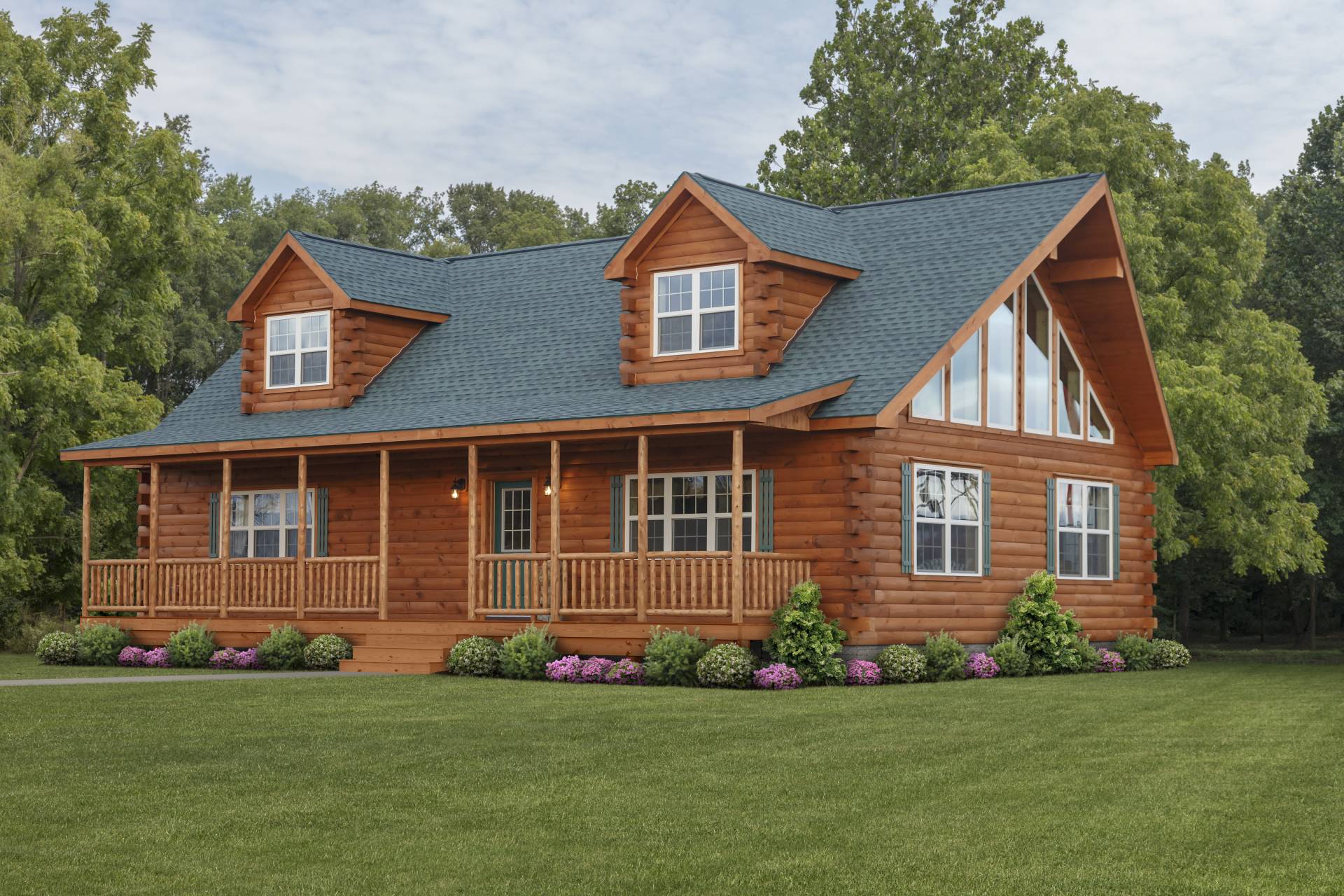
The Evolution of Prefab Log Homes: From Rustic Roots to Modern Marvels
Prefab log homes have transformed from simple, rustic cabins to sophisticated, modern dwellings, offering efficiency and sustainability without sacrificing the charm of traditional log construction.
| Feature | Traditional Log Homes | Modern Prefab Log Homes |
|---|---|---|
| Construction Time | Months to Years | Weeks to Months |
| Energy Efficiency | Lower | Higher |
| Customization Options | Limited | Extensive |
| Cost | Variable | More Predictable |
| Sustainability | Dependent on sourcing | Often Sustainable |
1. The Pioneer Days: Hand-Hewn Beginnings
Early log homes were built entirely by hand, with logs sourced directly from the surrounding land. These structures, while sturdy, were time-consuming to construct and often lacked energy efficiency. The process involved felling trees, hewing logs into shape, and carefully notching them together to create walls. This labor-intensive method resulted in unique homes, but standardization and precision were difficult to achieve. Insulation was typically minimal, relying on chinking (filling gaps between logs) with materials like mud or moss.
2. The Rise of Prefabrication: Efficiency and Precision
The introduction of prefabrication revolutionized log home construction. Logs are now milled to precise specifications in factories, ensuring uniformity and minimizing waste. This process allows for tighter joints and improved insulation, leading to greater energy efficiency. Prefabrication also significantly reduces construction time, as components are delivered ready to assemble on-site. Modern technology, such as computer-aided design (CAD) and computer numerical control (CNC) machining, plays a crucial role in achieving this precision.
3. Modern Materials and Sustainable Practices
Contemporary prefab log homes incorporate advanced materials and sustainable building practices. Engineered wood products, like laminated logs and timber, offer increased strength and stability compared to traditional solid logs. Sustainable sourcing is also a growing trend, with many manufacturers using timber from responsibly managed forests. Energy-efficient windows, doors, and insulation further enhance the environmental performance of these homes. Solar panels and rainwater harvesting systems are increasingly integrated into prefab log home designs, promoting self-sufficiency and reducing environmental impact.
Design Innovations in Modern Prefab Log Homes
Modern prefab log homes blend rustic charm with cutting-edge design and construction techniques, offering sustainable and customizable living spaces. Let's explore some of the exciting design innovations in this growing field.
1. Embracing Open Floor Plans
Modern prefab log homes are moving away from traditional, compartmentalized layouts. Open floor plans that seamlessly connect living, dining, and kitchen areas are becoming increasingly popular. This design promotes a sense of spaciousness and encourages social interaction, making it ideal for families and entertaining guests. Large windows and vaulted ceilings further enhance the feeling of openness and bring in natural light, creating a bright and inviting atmosphere. The integration of modern appliances and sleek cabinetry complements the rustic charm of the logs, resulting in a harmonious blend of styles.
2. Integrating Sustainable Materials
Sustainability is a key driver of innovation in prefab log home design. Builders are increasingly using eco-friendly materials such as reclaimed wood, bamboo flooring, and recycled content insulation. These materials not only reduce the environmental impact of construction but also contribute to a healthier indoor environment. FSC-certified wood, sourced from sustainably managed forests, ensures that the logs are harvested responsibly. Furthermore, innovative insulation techniques and energy-efficient windows and doors minimize energy consumption, resulting in lower utility bills and a smaller carbon footprint.
3. Leveraging Smart Home Technology
Smart home technology is transforming the way we live, and prefab log homes are no exception. Integrating smart thermostats, lighting systems, and security features can significantly enhance energy efficiency, security, and convenience. For example, smart thermostats can automatically adjust the temperature based on occupancy and weather conditions, while smart lighting systems can be programmed to turn on and off at specific times or in response to motion. Remote monitoring and control capabilities provide homeowners with peace of mind, allowing them to manage their homes from anywhere in the world.
4. Maximizing Energy Efficiency
Energy efficiency is a top priority in modern prefab log home design. Advanced insulation techniques, such as using structural insulated panels (SIPs), create a tight building envelope that minimizes heat loss in the winter and heat gain in the summer. High-performance windows and doors with low-E coatings further reduce energy consumption. Solar panel integration is also becoming increasingly common, allowing homeowners to generate their own clean energy and reduce their reliance on fossil fuels. These energy-efficient features not only save money on utility bills but also contribute to a more sustainable lifestyle.
Sustainability and Environmental Impact of Prefab Log Cabins
Prefab log cabins are gaining popularity not only for their rustic charm but also for their potential environmental benefits. Let's explore how these homes contribute to sustainable living.
1. Sustainable Materials
Prefab log cabins often utilize sustainably sourced timber, reducing the impact on forests. Many companies prioritize using wood from responsibly managed forests certified by organizations like the Forest Stewardship Council (FSC). This ensures that trees are harvested and replanted in a way that maintains the forest's biodiversity and long-term health. Furthermore, utilizing wood, a renewable resource, can be a more sustainable choice compared to building with materials like concrete or steel, which require significant energy to produce.
2. Reduced Construction Waste
The prefabrication process significantly minimizes construction waste. Because components are manufactured in a controlled factory setting, materials are used more efficiently, and leftover scraps can be recycled or repurposed more easily. Traditional construction methods often generate substantial waste that ends up in landfills. By contrast, prefab construction allows for precise material calculations and reduces the amount of waste generated on-site.
3. Energy Efficiency
Modern prefab log cabins are designed with energy efficiency in mind. They incorporate features like high-performance insulation, energy-efficient windows and doors, and airtight construction techniques. These features help to reduce energy consumption for heating and cooling, lowering the home's carbon footprint. Many manufacturers also offer options for integrating renewable energy systems, such as solar panels, further enhancing the cabin's sustainability.
4. Lower Transportation Impact
While transportation is involved in delivering the prefabricated components to the building site, the overall transportation impact can be lower compared to traditional construction. Because the majority of the construction process takes place in a centralized location, there are fewer trips required to transport materials, equipment, and workers to the site. This translates to reduced fuel consumption and lower greenhouse gas emissions.
Customization and Flexibility in Prefab Log Home Kits
Prefab log home kits offer a unique blend of traditional aesthetics and modern construction techniques, allowing for extensive customization to suit individual preferences and needs. This flexibility makes them an attractive option for those seeking a personalized living space.
| Feature | Customization Options |
|---|---|
| Log Style & Species | Choice of log profiles (e.g., D-log, round log), wood species (e.g., pine, cedar, spruce), and log sizes to achieve desired aesthetic and structural characteristics. |
| Floor Plans | Modification of existing floor plans or creation of entirely custom designs, including the number of bedrooms and bathrooms, room sizes, and overall layout. |
| Window & Door Styles | Selection of window and door types, sizes, and placement to optimize natural light, ventilation, and energy efficiency. Options include various frame materials (e.g., wood, vinyl, aluminum) and glazing options (e.g., double-pane, low-E). |
| Roofing Materials | Wide range of roofing materials available, such as asphalt shingles, metal roofing, and wood shakes, allowing homeowners to match the roof to their aesthetic preferences and local climate conditions. |
| Interior Finishes | Extensive selection of interior finishes, including flooring, cabinetry, countertops, and fixtures, enabling homeowners to create a personalized and cohesive interior design. |
1. Architectural Design Adaptability
Prefab log home kits are not limited to standard designs. Many companies offer the option to modify existing plans or create completely custom designs. This adaptability allows homeowners to tailor the layout, room sizes, and overall aesthetic to their specific needs and preferences. Whether it's incorporating a specific architectural style or optimizing the home for a particular site, prefab kits provide a flexible foundation.
2. Material Choices and Finishes
Beyond the basic structure, prefab log home kits offer a wide range of choices in materials and finishes. Homeowners can select the type of wood for the logs, the style of windows and doors, and the roofing materials. Interior finishes, such as flooring, cabinetry, and fixtures, can also be customized to create a unique and personalized living space. This level of control ensures that the final product reflects the homeowner's individual taste.
3. Energy Efficiency Considerations
Customization also extends to energy efficiency features. Homeowners can choose to upgrade insulation, select energy-efficient windows and doors, and incorporate sustainable building practices. This allows them to create a comfortable and environmentally friendly home that minimizes energy consumption and reduces utility bills. The ability to tailor these aspects is a key advantage of prefab log home kits.
4. Site-Specific Customization
Prefab log home kits can be customized to suit the specific characteristics of the building site. This includes adapting the foundation design to the terrain, optimizing the orientation of the home for solar gain, and incorporating features that address local climate conditions. This site-specific customization ensures that the home is well-suited to its environment and maximizes its performance.
Q&A
Question 1: What are the key differences between traditional log homes and modern prefab log homes regarding construction time, energy efficiency, customization, cost, and sustainability?
Answer: Traditional log homes take months to years to build, have lower energy efficiency, limited customization options, variable costs, and sustainability depends on sourcing. Modern prefab log homes are built in weeks to months, boast higher energy efficiency, extensive customization, more predictable costs, and often utilize sustainable practices and materials.
Question 2: What are some of the design innovations driving the popularity of modern prefab log homes?
Answer: Modern prefab log homes incorporate several key innovations: smart home integration for enhanced convenience and energy efficiency; energy-efficient designs using SIPs and solar panels; modular design for flexibility and faster construction; sustainable materials like reclaimed wood and bamboo; and extensive customization options to personalize the home.
Question 3: How do modern prefab log homes contribute to sustainable living?
Answer: Prefab log homes promote sustainability through several avenues: using sustainably sourced timber from responsibly managed forests; minimizing construction waste due to the factory setting; incorporating energy-efficient designs and materials to reduce energy consumption; and potentially lowering transportation impacts by centralizing the manufacturing process.