
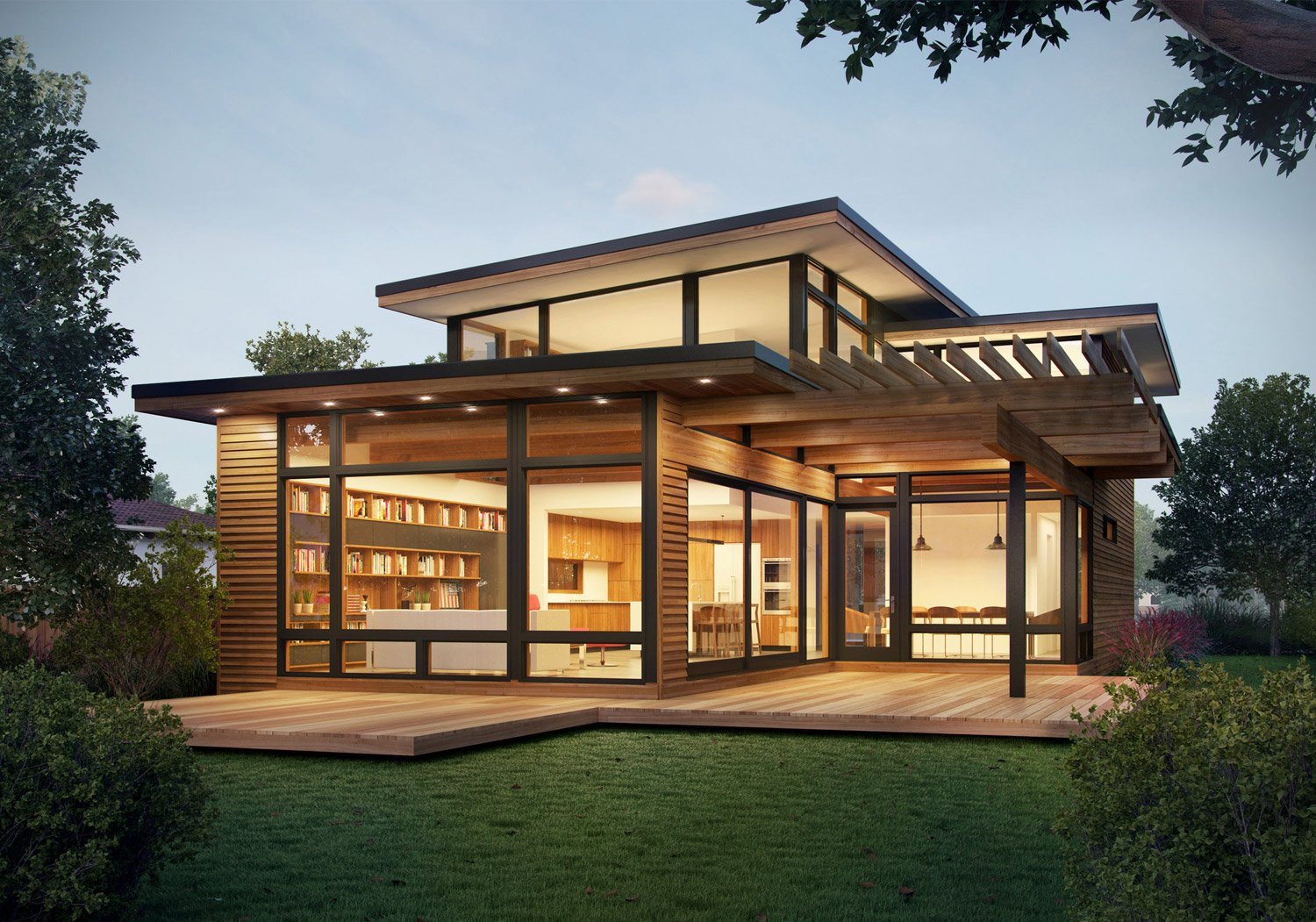
Understanding Prefabricated Homes: Construction and Design Principles
Prefabricated homes, often called prefab homes, represent a modern approach to construction, emphasizing efficiency and precision. These homes are built in sections or modules within a factory setting before being transported to the final building site for assembly.
1. Modular Construction
Modular construction is a key principle. Homes are divided into modules – think of them as large, three-dimensional puzzle pieces. These modules are constructed indoors, protected from weather delays and material damage. This controlled environment allows for tighter tolerances and higher quality control compared to traditional on-site construction. Once completed, these modules are transported and assembled on a prepared foundation, creating a complete home.
2. Panelized Systems
Panelized construction uses pre-made wall panels, often including windows, doors, and even wiring. These panels are manufactured in a factory and then shipped to the building site for assembly. Panelized systems offer faster construction times than traditional stick-built methods, as the basic structure of the home is erected quickly. They provide design flexibility and can be used for a variety of architectural styles.
3. Design Flexibility and Customization
Prefabricated homes are not limited to cookie-cutter designs. Modern prefab construction offers significant design flexibility. Architects and homeowners can customize floor plans, choose finishes, and incorporate energy-efficient features. This allows for the creation of unique and personalized homes that meet specific needs and preferences, challenging the outdated notion of prefab homes being generic or low-quality.
4. Sustainable Practices
Prefabricated construction can contribute to more sustainable building practices. The controlled factory environment reduces material waste, as precise cutting and assembly minimize errors. Also, efficient production processes can lead to better resource management and lower energy consumption. Many prefab manufacturers are also incorporating eco-friendly materials and energy-efficient technologies into their designs, further enhancing sustainability.
Cost-Effectiveness of Prefab Homes: A Breakdown of Affordability Factors
Prefabricated homes, often called prefab homes, present a potentially more affordable housing option. Several factors contribute to their cost-effectiveness compared to traditional site-built houses.
1. Reduced Construction Time
Prefab homes are built in a factory setting, which significantly reduces construction time. Shorter construction periods translate to lower labor costs, as fewer hours are billed for assembly and finishing. This also minimizes on-site disruptions and associated expenses.
2. Lower Material Costs
Prefab construction often benefits from bulk purchasing of materials. Factories can negotiate better prices with suppliers due to the large volume of materials they require. Additionally, the controlled factory environment minimizes waste, as materials are used more efficiently. Some prefab companies are also exploring sustainable and recycled materials, further reducing costs and environmental impact.
3. Predictable Pricing
One of the key advantages of prefab homes is the predictability of pricing. Since the majority of the construction takes place in a factory, the cost is determined upfront, minimizing the risk of unexpected expenses due to weather delays, material price fluctuations, or labor shortages. This allows buyers to budget more effectively and avoid the cost overruns that are common with traditional construction projects.
4. Streamlined Permitting and Inspection
While permitting processes can vary by location, prefab homes often benefit from streamlined inspections. Because the factory construction process is subject to rigorous quality control standards and inspections, on-site inspections may be less extensive. This can save time and money, as well as reduce potential delays in obtaining occupancy permits. However, buyers should still research local regulations and ensure compliance.
Sustainability in Prefab Housing: Eco-Friendly Innovations and Practices
Prefabricated housing is increasingly recognized for its potential to minimize environmental impact through innovative, eco-friendly practices that promote sustainable construction and living.
| Material Type | Percentage Used in Prefab Housing (2024) | Key Sustainability Benefits |
|---|---|---|
| Wood (Engineered) | 45% | Renewable resource, carbon sequestration |
| Steel (Recycled) | 30% | High recyclability, reduced waste |
| Concrete (Sustainable) | 15% | Reduced carbon footprint through alternative mixes |
| Insulation (Eco-friendly) | 10% | Improved energy efficiency, lower heating/cooling costs |
Data source: Global Prefabricated Construction Market Report, 2024.
1. Green Building Materials
Prefabricated construction facilitates the use of sustainable materials. Engineered wood products, like cross-laminated timber (CLT), are frequently used for their renewability and carbon sequestration properties. Recycled steel reduces waste and energy consumption compared to virgin steel production. Sustainable concrete mixes, incorporating fly ash or slag, lower the carbon footprint of the foundation and structural elements. These material choices collectively contribute to a lower environmental impact than traditional construction methods.
2. Energy Efficiency and Conservation
Prefab homes are designed for superior energy efficiency. Precise factory construction minimizes air leaks and thermal bridges, leading to reduced energy consumption for heating and cooling. High-performance insulation, energy-efficient windows, and smart home technologies are integrated to further lower energy bills and carbon emissions. Some prefab designs incorporate passive solar heating and cooling strategies, reducing reliance on mechanical systems.
3. Waste Reduction and Recycling
The controlled factory environment of prefab construction significantly reduces waste. Materials are precisely cut and assembled, minimizing excess and scrap. Prefabricated components are often designed for deconstruction and reuse, promoting circular economy principles. Recycling programs within the factory setting further minimize waste sent to landfills. This efficient use of resources contributes to a more sustainable construction process.
Technological Advancements Shaping Modern Prefab Homes
Modern prefabricated homes are rapidly evolving, driven by technological innovations that enhance efficiency, sustainability, and design flexibility. These advancements are transforming the construction industry and making prefab homes an increasingly attractive option for homeowners.
1. Automation and Robotics in Manufacturing
Automation and robotics are revolutionizing prefab home manufacturing. Automated cutting, welding, and assembly processes increase precision and reduce labor costs. These technologies allow for faster production times and minimize material waste. For example, automated systems can precisely cut lumber and assemble wall panels with minimal human intervention, ensuring consistent quality and accuracy. This leads to more affordable and reliable prefab homes.
2. Building Information Modeling (BIM)
Building Information Modeling (BIM) is a game-changer in prefab design and construction. BIM software creates a detailed 3D model of the entire home, allowing architects, engineers, and manufacturers to collaborate seamlessly. This digital model integrates all aspects of the building, including structural, mechanical, and electrical systems. BIM helps identify potential design flaws and conflicts before construction begins, reducing errors and improving overall project efficiency.
3. Sustainable Materials and Energy Efficiency
Technological advancements are driving the use of sustainable materials and energy-efficient designs in prefab homes. New insulation materials, such as aerogels and vacuum insulation panels, offer superior thermal performance, reducing energy consumption for heating and cooling. Solar panels, rainwater harvesting systems, and smart home technologies are also being integrated into prefab homes to promote sustainability and reduce environmental impact.
4. Modular Design and Customization
Modular design is becoming increasingly sophisticated, allowing for greater customization and flexibility in prefab homes. Advanced software and manufacturing techniques enable the creation of complex and unique designs. Homeowners can choose from a wide range of floor plans, finishes, and features to create a personalized living space. This level of customization makes prefab homes an attractive option for those seeking a modern and tailored living experience.
Q&A
Question 1: What are the key principles behind the construction of prefabricated homes?
Answer: Prefabricated homes utilize modular or panelized construction. Modular construction involves building large sections (modules) in a factory and assembling them on-site. Panelized construction uses pre-made wall panels, speeding up the building process. Both methods offer greater quality control and reduced weather delays compared to traditional on-site construction.
Question 2: How do prefabricated homes compare to traditionally built homes in terms of cost-effectiveness?
Answer: Prefab homes often offer cost savings due to reduced construction time (leading to lower labor costs), bulk material purchasing, predictable pricing (minimizing unexpected expenses), and potentially streamlined permitting and inspections. However, the actual cost savings can vary based on factors like design complexity and location.
Question 3: What are some sustainable practices employed in prefabricated housing?
Answer: Prefab construction promotes sustainability through reduced material waste in the controlled factory environment, the use of eco-friendly materials (like engineered wood, recycled steel, and sustainable concrete), and the incorporation of energy-efficient designs and technologies (high-performance insulation, solar panels, etc.).