
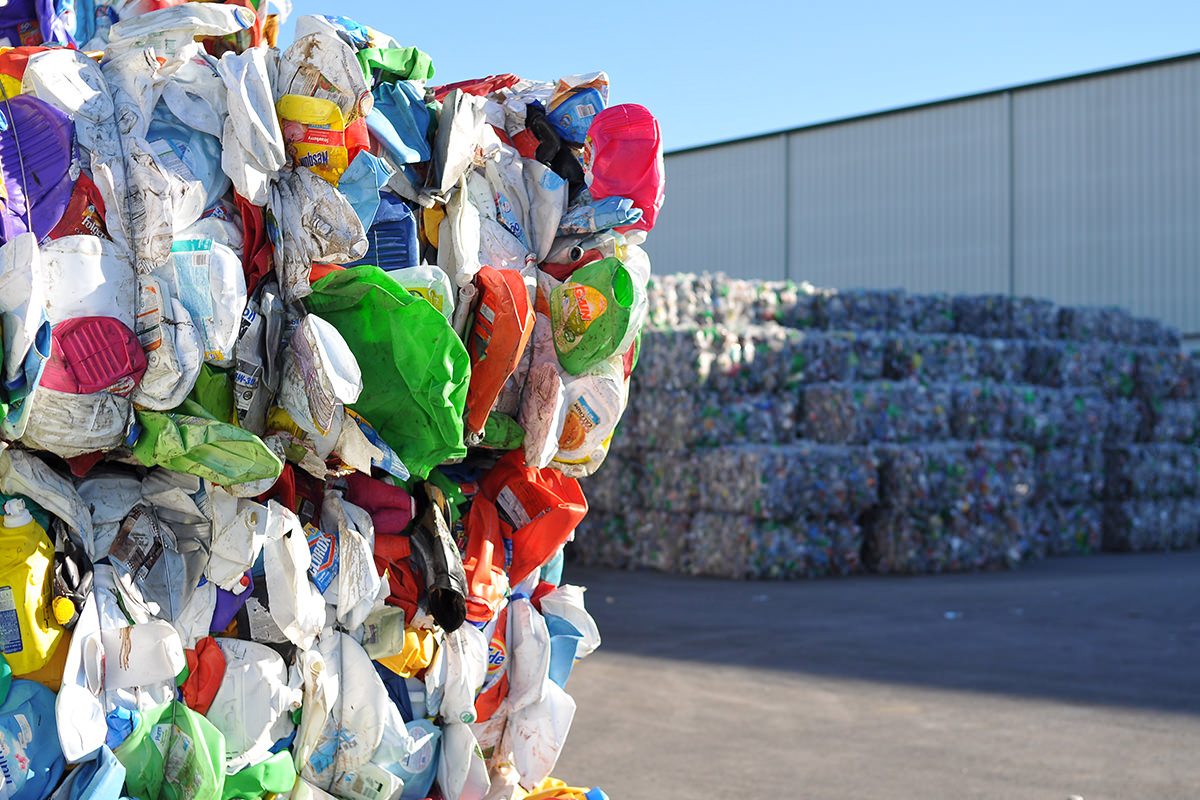
The Digital Pulse of City Streets
Smart Infrastructure and Data-Driven Collection
The humble bin on the street corner is undergoing a quiet revolution, evolving from a simple receptacle into a sophisticated information hub. Traditionally, municipal collections operated on rigid schedules, with trucks visiting every location regardless of necessity. This legacy method often resulted in inefficiencies: trucks would stop at nearly empty bins, wasting fuel and time, while overflowing containers in high-traffic areas created sanitation issues before the scheduled pickup. The integration of Internet of Things (IoT) technology has fundamentally shifted this dynamic. Modern receptacles are now equipped with ultrasonic sensors that constantly monitor fill levels, transmitting real-time data to central management systems.
This data-centric approach allows city planners and waste management companies to optimize their logistics dynamically. Instead of static routes, algorithms generate flexible collection paths that target only the receptacles nearing capacity. This "smart routing" significantly reduces the carbon footprint of the collection fleet by minimizing unnecessary stops and idling time. Beyond logistical efficiency, these systems offer predictive maintenance capabilities. Sensors can alert operators to temperature spikes (indicating a potential fire risk) or mechanical failures before they become critical issues. As urbanization intensifies, this transition to intelligent infrastructure is crucial. It does not just lower operational costs for local governments; it ensures cleaner streets and a more responsive, sanitary environment for residents, turning the passive act of disposal into an active node in the smart city network.
The Optical Revolution in Sorting
Lasers and the Speed of Light
Once the materials reach the facility, the image of workers manually picking through conveyor belts is rapidly being replaced by high-speed automation. At the heart of this modernization is advanced laser technology. In the past, separating materials required physical contact, which was slow and prone to mechanical wear. Today, high-power CO2 lasers and optical systems dominate the processing lines. These beams can cut, perforate, or mark materials without ever touching them, maintaining the integrity of the items being processed.
The advantage of this non-contact approach extends beyond simple speed. When dealing with mixed streams of packaging and discards, precision is paramount. Lasers provide a clean cut that prevents the cross-contamination of materials, which is vital for maintaining the purity of the output. For instance, removing a label from a bottle or separating a composite material layer can be done in milliseconds as the items rush by on the belt. This technology ensures that the materials sent for reprocessing are of a high enough quality to compete with virgin resources. By automating the physical separation with light, facilities can handle significantly higher volumes while ensuring that the downstream recycled product remains robust and commercially viable.
Seeing the Invisible with Spectroscopy
Identifying "what is what" in a stream of crushed and crumpled debris is a challenge that human eyes often fail to meet. This is where advanced spectroscopy and sensor fusion come into play. Modern sorting machines utilize Near-Infrared (NIR) and Raman spectroscopy to identify the unique "fingerprint" of materials based on how they reflect or scatter light. To the naked eye, a clear PET bottle and a clear PLA cup might look identical, but to these sensors, they are chemically distinct.
This technology allows for a granular level of sorting that was previously impossible. A system can instantly differentiate between high-density polyethylene (HDPE) and polypropylene (PP), or detect the presence of unwanted additives in a split second. By analyzing the chemical composition in real-time without damaging the object, these smart sorters act as gatekeepers, diverting valuable resources into the correct streams. This precision is critical for preventing "downcycling"—where materials are turned into lower-quality products—and instead enables a closed-loop system where plastics can be recycled into products of equal value.
| Feature | Traditional Mechanical Sorting | Advanced Optical & Sensor Sorting |
|---|---|---|
| Identification Method | Human vision, magnets, simple density float tanks. | Near-Infrared (NIR), Laser spectroscopy, AI cameras. |
| Material Purity | Lower; high risk of cross-contamination. | Very High; detects chemical composition at molecular level. |
| Processing Speed | Limited by manual labor and mechanical constraints. | Extremely high-speed; processes tons per hour continuously. |
| Capabilities | Can separate metals from non-metals; basic plastic types. | Distinguishes between visually identical polymers (e.g., PET vs. PLA). |
Alchemy and Urban Mining
Transforming Polymers at the Molecular Level
While mechanical sorting handles the bulk of standard waste, a new frontier is opening up for materials that were once considered non-recyclable. Chemical recycling is changing the narrative for dirty food trays, multi-layered films, and complex packaging. Unlike mechanical recycling, which simply shreds and melts plastic (often degrading its quality), chemical processes break the materials down into their fundamental molecular building blocks. Through techniques like pyrolysis, mixed plastics are converted back into oil or gas, which can then be used to synthesize virgin-quality plastic.
This "molecular reset" is a game-changer for the industry. It allows for the recovery of materials that are too contaminated or complex for traditional facilities. A greasy pizza box liner or a pouch made of aluminum and plastic bonded together can be processed to extract valuable hydrocarbons, stripping away impurities and additives. The result is a feedstock indistinguishable from fossil-fuel-based naphtha, allowing manufacturers to produce food-grade packaging from waste that would have otherwise ended up in a landfill. This technology bridges the gap between the ideal of a circular economy and the messy reality of modern packaging.
Extracting Gold from the Concrete Jungle
The concept of "Urban Mining" has turned our drawers of obsolete gadgets into valuable geological deposits. Old smartphones, laptops, and tablets are not just trash; they are dense reserves of gold, silver, copper, and rare earth elements. The concentration of precious metals in electronic circuitry is often significantly higher than in natural ore, making the city a more efficient "mine" than a remote excavation site. Recovering these materials reduces the devastating environmental impact of traditional mining, which often involves deforestation and toxic runoff.
The recovery process for these devices has advanced well beyond crude smashing and burning. Automated disassembly lines use robotics and computer vision to delicately pry apart screens, batteries, and circuit boards. Optical sensors identify specific components, ensuring that hazardous materials like lithium in batteries are handled safely while maximizing the yield of precious metals. By treating e-waste as a strategic resource rather than a burden, we reduce reliance on unstable global supply chains and conserve natural landscapes. It transforms the end-of-life phase of consumer electronics into the beginning of a new manufacturing cycle.
Designing a Zero-Waste Lifestyle
Shifting Habits and Closing the Loop
The transition to a circular economy is not solely reliant on industrial robots and chemical plants; it is equally driven by the daily choices made in households. Embracing a lifestyle that minimizes waste begins with the "pre-cycling" mindset—making purchasing decisions that consider the end-of-life of a product before it even hits the checkout counter. This involves prioritizing durability over disposability, such as choosing repairable appliances or clothes made from natural fibers that can be mended. The rise of the "Right to Repair" movement and local repair cafés supports this shift, empowering individuals to fix a broken toaster or patch a favorite jacket rather than discarding them.
Furthermore, the distinction between recycling and upcycling offers creative avenues for waste reduction. While recycling breaks an item down to raw materials, upcycling creatively repurposes the item in its current form, often adding value. Turning glass jars into bulk storage containers or old textiles into cleaning rags are simple, effective ways to extend the lifespan of materials. These habits, combined with proper segregation of recyclables, ensure that the high-tech facilities downstream receive cleaner, more valuable inputs. Ultimately, the most effective recycling technology is a conscious consumer who reduces the volume of waste generated in the first place.
| Decision Factor | Repair | Upcycle | Recycle |
|---|---|---|---|
| Item Condition | Functional but broken parts; cosmetic damage. | Structurally sound but no longer serves original purpose. | Broken beyond repair; material is standardized (e.g., PET, paper). |
| Effort Required | Moderate; requires tools or professional service. | High; requires creativity and DIY effort. | Low; requires cleaning and sorting into correct bin. |
| Environmental Impact | Best: Extends product life, zero new resources needed. | Good: Delays landfill, replaces need for new product purchase. | Neutral/Good: Saves raw materials but requires energy to process. |
| Best For... | Electronics, clothing, furniture, bicycles. | Glass jars, old t-shirts, wood pallets, packaging boxes. | Cans, bottles, paper, cardboard, strict e-waste streams. |
Q&A
-
What’s the difference between Plastic Waste Recycling and Upcycling Vs Recycling for plastics?
Plastic waste recycling breaks plastics down to reprocess them, often downgrading quality. Upcycling keeps the plastic intact, creatively turning it into higher‑value products, but usually at small scale and without solving mass waste volumes. -
How can households improve Household Waste Recycling using a Recycling Sorting Guide?
Households should follow local sorting rules, separating clean paper, rigid plastics, metals and glass, while keeping food waste, soft plastics and hazardous items out of recycling bins to reduce contamination and increase actual recycling rates. -
Why is Electronic Waste Recycling and E-Waste Disposal Recycling more regulated than Municipal Waste Recycling?
E‑waste contains hazardous substances and valuable metals, so regulations demand certified collection and treatment, data wiping and safe material recovery, unlike general municipal waste which has lower environmental and data‑security risks. -
What are key steps in the Paper Recycling Process that people often overlook at home?
People often ignore the need to keep paper dry and free of food, oil and plastic coatings; flattened, clean paper and cardboard are far more likely to be successfully pulped and turned into new paper products. -
Which Zero Waste Recycling Tips most effectively reduce both Plastic Waste Recycling and Municipal Waste Recycling burdens?
Prioritise refusing single‑use items, buying in bulk, choosing reusable over disposable products and repairing goods, which cuts total waste generation and lessens pressure on plastic and municipal recycling systems.