
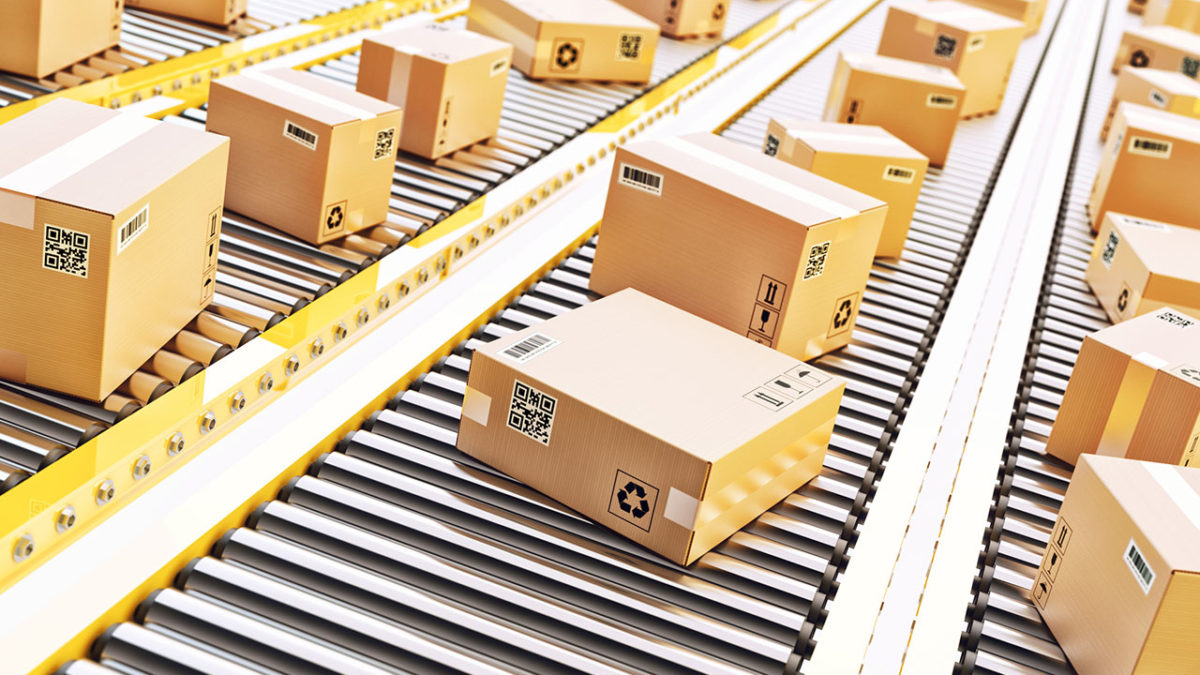
Innovative Approaches to Fulfillment Center Flow
Improving the flow within a fulfillment center is key to boosting efficiency and reducing costs. This involves optimizing the layout, adopting advanced technologies, and refining processes to ensure a smooth and streamlined operation.
Optimizing Warehouse Layout for Efficiency
The layout of a warehouse significantly impacts the speed and efficiency of picking and packing operations. A well-designed layout minimizes travel time for workers and equipment, reduces congestion, and maximizes space utilization. Arranging high-demand items closer to packing stations can significantly cut down on the time it takes to fulfill orders. Also, consider dedicating specific zones for different types of products to further streamline the process. Visual cues, like clear signage and color-coded areas, can help workers quickly locate items and navigate the warehouse more efficiently. Ultimately, the goal is to create a logical and intuitive flow that minimizes wasted motion and maximizes productivity. This strategic arrangement directly contributes to a faster and more accurate fulfillment process, leading to increased customer satisfaction and reduced operational expenses. Furthermore, consider the placement of packing stations relative to both picking areas and shipping docks to minimize transit times and potential bottlenecks.
Harnessing Automation for Streamlined Processes
Automation is transforming fulfillment centers, replacing manual tasks with robots, conveyor systems, and other automated solutions. This not only speeds up operations but also reduces errors and improves accuracy. Consider the use of Automated Guided Vehicles (AGVs) to transport goods from storage to picking stations, or robotic arms assisting with packing, carefully placing items into boxes. These technologies can handle repetitive tasks, freeing up human workers to focus on more complex activities that require critical thinking and problem-solving. Furthermore, automation can work around the clock, enabling 24/7 operations and faster order fulfillment. The investment in automation can lead to a significant return in terms of increased efficiency, reduced labor costs, and improved customer satisfaction. However, it's crucial to carefully assess the specific needs of your warehouse before implementing automation solutions to ensure they are the right fit for your operation.
The Power of Data Analytics in Flow Optimization
Data analytics plays a crucial role in understanding and optimizing the flow within a fulfillment center. By collecting and analyzing data on various aspects of the operation, such as order volume, picking times, and travel distances, businesses can identify bottlenecks and areas for improvement. Imagine using data to track the movement of goods through the warehouse, identifying areas where congestion occurs. This information can then be used to reconfigure the layout or adjust staffing levels to alleviate the bottlenecks. Similarly, analyzing order patterns can help predict demand and optimize inventory placement. By leveraging the power of data, businesses can make informed decisions that lead to a more efficient and responsive fulfillment operation. This data-driven approach ensures that resources are allocated effectively and that the warehouse is constantly adapting to changing needs.
Debunking Myths about Automated Logistics
Automated logistics is often portrayed in popular culture as a futuristic dream, featuring fleets of robots flawlessly managing warehouses. While advancements are impressive, some common misconceptions need addressing.
Automation is a Complete Replacement for Human Workers
A persistent myth is that automation entirely eliminates the need for human labor in warehouses. The truth is that automation often augments human capabilities rather than replacing them entirely. Many automated systems, such as collaborative robots (cobots), are designed to work alongside human employees. They handle repetitive or physically demanding tasks, allowing workers to focus on more complex, strategic roles that require problem-solving, critical thinking, and adaptability – skills that machines haven't fully mastered yet. Introducing automation actually creates new job opportunities, including roles in system maintenance, software development, robot programming, and data analysis. Even with sophisticated automation, human oversight is vital for handling exceptions, troubleshooting issues, and making decisions in unforeseen circumstances.
Automation is a "Plug and Play" Solution
Another misconception is that implementing automation is a simple, straightforward process. Warehouses aren't designed identically, and neither are the solutions. Every warehouse operation is unique, with its own specific layout, inventory, and workflow. Automated systems must be tailored to fit these unique needs, often requiring significant planning, design, and customization. Integrating automated systems with existing warehouse management systems (WMS) and other IT infrastructure can be complex. Ensuring seamless data flow and communication between different systems is crucial for successful implementation. Automation isn't a one-time fix; it requires ongoing optimization and maintenance. As business needs evolve, automated systems may need to be adjusted and reconfigured to maintain peak performance.
Automation is Only for Large Corporations
Many believe that automation is only feasible for large corporations with deep pockets. However, smaller businesses can also benefit from automation. Automation solutions are becoming increasingly scalable. Smaller businesses can start with targeted automation projects, such as automated guided vehicles (AGVs) for specific tasks, and gradually expand their automation footprint as their business grows. While the initial investment in automation can be significant, it can lead to substantial cost savings in the long run. Reduced labor costs, improved efficiency, and fewer errors can quickly offset the upfront investment. Even small businesses can gain a competitive advantage by embracing automation. Improved order accuracy, faster delivery times, and enhanced customer service can help them compete with larger players in the market.
Practical Tips for Improving Warehouse Efficiency
Efficient picking and packing processes are crucial for customer satisfaction, cost reduction, and overall supply chain success. Let’s delve into some practical tips to elevate your warehouse efficiency.
Optimize Warehouse Layout
A well-organized warehouse is the foundation of efficient picking and packing. Consider how your current layout impacts workflow and identify potential bottlenecks. Track the movement of goods from receiving to shipping. Identify frequently picked items and position them closer to packing stations. This reduces travel time and increases picking speed. Imagine a popular item like phone chargers. Keeping them easily accessible near the packing area streamlines the order fulfillment process. Divide your warehouse into zones based on product type, size, or picking frequency. This allows pickers to focus on specific areas, minimizing confusion and improving accuracy. For instance, dedicate separate zones for fragile items, bulky products, and fast-moving inventory. Maximize storage capacity by utilizing vertical space with racking systems or mezzanines. This frees up floor space for efficient movement and picking operations.
Embrace Technology
Technology plays a vital role in modern warehouse operations. Implementing the right tools can significantly improve efficiency and accuracy. A WMS provides real-time visibility into inventory levels, order status, and warehouse operations. It optimizes picking routes, streamlines packing processes, and reduces errors. Think of it as the brain of your warehouse, coordinating all activities. Automate data capture with barcode scanners and RFID tags. This eliminates manual data entry, reduces errors, and speeds up inventory tracking. Imagine quickly scanning items instead of manually typing in product codes – a huge time saver. Consider implementing AGVs or robots for tasks such as transporting goods, picking orders, or packing boxes. These technologies can significantly reduce labor costs and improve efficiency.
Enhance Picking Strategies
Effective picking strategies are crucial for minimizing errors and maximizing speed. Group multiple orders together and pick all the required items at once. This reduces travel time and improves picking efficiency, especially for orders containing similar items. Imagine picking all the "small box" items for multiple orders at once. Assign pickers to specific zones within the warehouse. This allows them to become familiar with the layout and product locations, improving picking speed and accuracy. It’s like having specialists in each area, knowing exactly where everything is located. Use light-directed picking systems to guide pickers to the correct locations. This reduces errors and improves picking speed, especially in large warehouses with diverse product ranges. Lights illuminate the specific item location for each order.
Connecting the Dots: Technology and Human Expertise in Warehousing
The key to a successful modern warehouse lies in effectively connecting technology and human expertise. It's not about replacing people with machines, but rather about empowering them with tools that enhance their productivity and accuracy. This synergy results in faster order fulfillment, reduced errors, and a more efficient overall operation.
The Rise of Automation
Automation is undeniably a major force in modern warehousing. From automated guided vehicles (AGVs) that transport goods around the warehouse floor to robotic arms that assist with picking and packing, these technologies are designed to handle repetitive and physically demanding tasks. This allows human workers to focus on more complex and strategic aspects of the operation. Automation not only accelerates processes but also enhances safety by minimizing the need for workers to perform strenuous activities. The initial investment in automation can be substantial, but the long-term benefits, including reduced labor costs and increased throughput, often outweigh the initial expense.
The Power of Data and Analytics
Modern warehouses are data-rich environments. Sophisticated software systems track inventory levels, monitor order fulfillment rates, and analyze worker performance. This data provides valuable insights that can be used to optimize processes, identify bottlenecks, and make informed decisions about staffing and resource allocation. For instance, analyzing peak order times can help managers schedule shifts more effectively. Furthermore, data analytics can be used to predict future demand, allowing warehouses to proactively adjust their inventory levels and staffing to meet anticipated needs. This proactive approach minimizes the risk of stockouts and ensures that orders can be fulfilled promptly.
Augmenting Human Capabilities
The most successful warehouses understand that technology is a tool to augment human capabilities, not replace them entirely. Wearable technology, such as smart glasses and exoskeletons, can provide workers with real-time information and physical support, improving their efficiency and reducing the risk of injury. Imagine a worker wearing smart glasses that display the exact location of an item in a vast warehouse, significantly speeding up the picking process. Exoskeletons can provide support for workers who lift heavy items, reducing the risk of back injuries and improving their overall stamina. By augmenting human capabilities, warehouses can create a safer and more productive work environment.
Question and Answer
-
What are the benefits of using warehouse picking and packing software in modern logistics?
Warehouse picking and packing software offers numerous advantages in modern logistics, including increased accuracy, efficiency, and speed in order fulfillment. By automating inventory management, tracking, and picking processes, these systems reduce human error and streamline operations. The software can also integrate with existing warehouse management systems (WMS) to provide real-time data and analytics, enabling better decision-making and improved resource allocation. Additionally, using such software can enhance customer satisfaction by ensuring timely and accurate deliveries.
-
How does the picking and packing process in a warehouse affect supply chain management?
The picking and packing process is a critical component of supply chain management as it directly impacts order fulfillment speed, accuracy, and overall customer satisfaction. Efficient picking and packing ensure that products are correctly selected, packaged, and shipped, minimizing delays and errors. A streamlined process reduces operational costs and enhances productivity, while poor execution can lead to increased returns, customer dissatisfaction, and higher logistics costs. Thus, optimizing these processes is essential for maintaining a competitive edge in the supply chain.
-
What role does automation play in optimizing the warehouse packing process?
Automation significantly enhances the warehouse packing process by improving speed, accuracy, and efficiency. Technologies such as automated packing machines, conveyor systems, and robotic arms can handle repetitive and labor-intensive tasks, reducing the need for manual labor and minimizing errors. Automated systems can operate continuously, allowing for faster processing times and 24/7 operations. By integrating automation with data analytics, warehouses can optimize packing strategies, reduce material usage, and ensure consistent quality, leading to cost savings and improved customer satisfaction.
-
How can order picking management be improved to enhance warehouse operations?
Improving order picking management involves implementing strategies and technologies that increase picking speed and accuracy. Techniques such as batch picking, zone picking, and pick-to-light systems can streamline the picking process by reducing travel time and minimizing errors. Additionally, deploying advanced technologies like barcode scanners, RFID systems, and mobile devices can automate data capture and improve inventory tracking. Training employees in these technologies and strategies is also crucial, as a well-trained workforce can adapt to changes and contribute to more efficient operations.
-
What sustainable packaging practices are being adopted in supply chain management?
Sustainable packaging practices in supply chain management focus on reducing environmental impact while maintaining product protection and cost-effectiveness. Companies are increasingly using recycled and recyclable materials, biodegradable plastics, and plant-based packaging to minimize waste and resource depletion. Designing packaging to use fewer materials and optimizing its size for efficiency are also common practices. Furthermore, businesses are investing in research and development to innovate eco-friendly solutions, collaborating with partners to enhance sustainability, and educating consumers about the benefits of sustainable packaging. These efforts contribute to a circular economy and a more sustainable supply chain.