
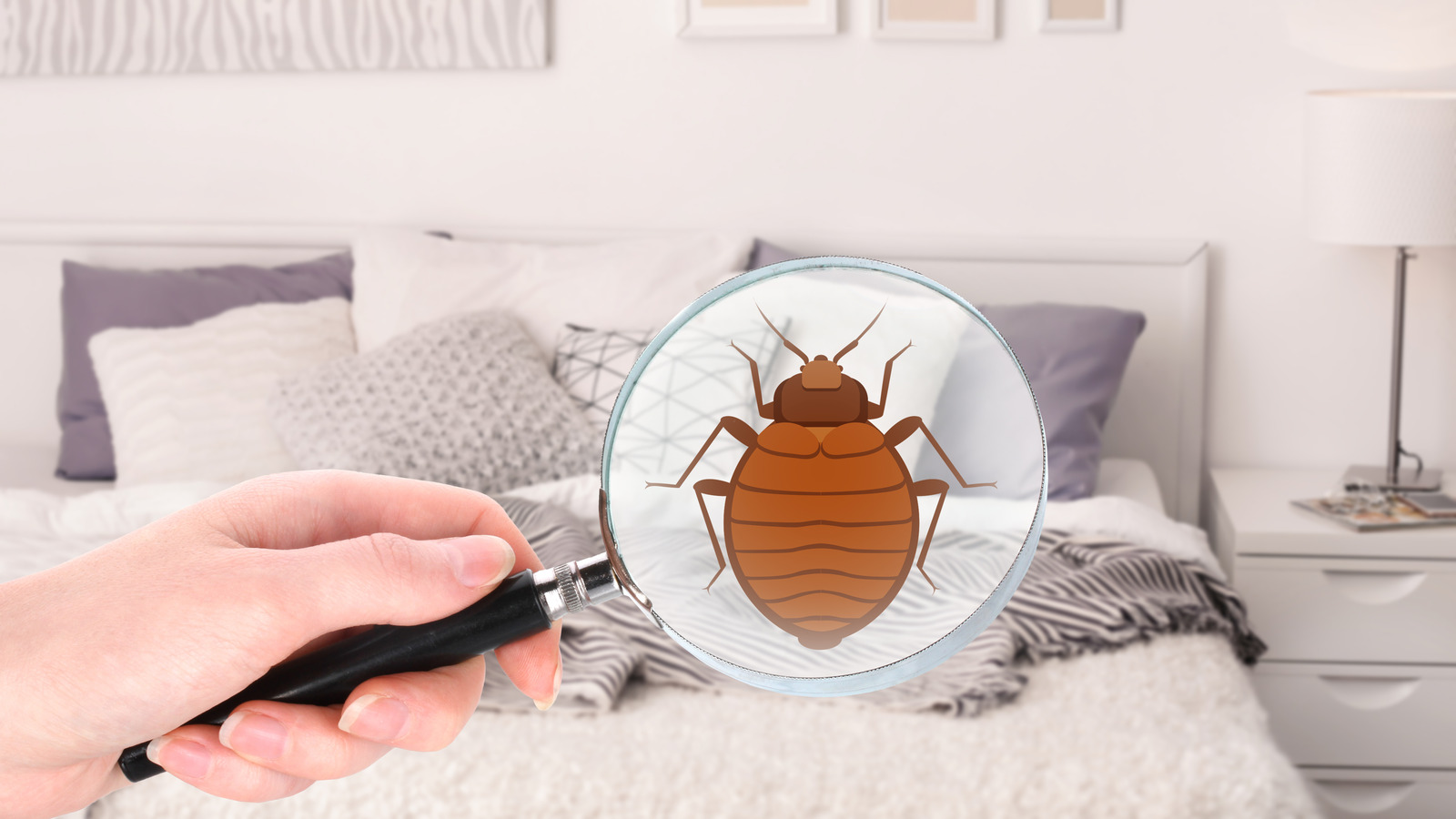
Understanding Bed Bug Behavior
Successful pest elimination requires grasping the unique traits of these invaders. Bed bugs are notorious not just for being difficult to eradicate, but for their clever survival strategies.
The Art of Stealth
Bed bugs are elusive by nature. Their flat bodies allow them to hide in the smallest of crevices—from the seams of mattresses to the recesses of furniture and even inside electronics. This ability to stay out of sight often delays detection, enabling infestations to grow unnoticed. Their nocturnal feeding habits further complicate matters, as they typically feed while their human hosts are asleep, making them difficult to catch in the act.
Survival Tactics
In terms of survival, bed bugs are highly adaptable. They can endure months without feeding, making temporary absence an ineffective strategy against them. Bed bugs also reproduce rapidly: a single female can lay hundreds of eggs over her lifetime. These eggs hatch quickly, perpetuating the infestation cycle unless intercepted.
Exploring Common Treatment Methods
Eradicating bed bugs requires a comprehensive approach. While DIY methods are popular, professional solutions provide the precision needed for long-term eradication.
The Heat Treatment Advantage
Among the arsenal of bed bug treatments, heat stands out. Heat treatment involves elevating the temperature of infested areas to levels lethal for bed bugs. This method is highly effective in penetrating all the common hiding places—from deep inside furniture to wall voids—and eradicating all life stages in one go, without chemicals.
Heat treatment works exceptionally well in regions with climates like the UAE, where the environment already lends itself to warmer conditions. It is a safe method, as it eliminates the use of potentially harmful chemicals, making it ideal for families and sensitive environments. However, it requires thorough preparation, such as removing heat-sensitive items before treatment.
Precision of Chemicals
Chemical treatments are another staple in pest control. These involve the strategic application of insecticides that are effective against bed bugs. Typically, professionals use a mix of sprays, dusts, and aerosols to target the nooks and crevices where bed bugs reside. However, this method often requires multiple visits, as it primarily targets active bugs, necessitating follow-ups to catch newly hatched nymphs.
The chemical approach is widely used because of its residual effects, which provide ongoing protection. In the UAE, chemical options are readily available. However, owing to potential pesticide resistance, it is crucial to employ professional services that can select the appropriate formulations and apply them safely and effectively.
Integrated Pest Management
For a holistic approach, Integrated Pest Management (IPM) combines multiple strategies for pest control. IPM isn’t solely reliant on chemical solutions; it encompasses a broad spectrum of actions like vacuuming, steaming, and installing mattress encasements. The goal is to not just tackle the current infestation but also prevent future occurrences by addressing underlying causes such as clutter and entry points.
IPM is comprehensive, making it a sustainable solution for the long term. It involves continuous monitoring and adjustment of strategies, which makes it adaptable to changing scenarios.
Post-Treatment: Monitoring and Prevention
After initial treatment, vigilance is key to preventing bed bugs from returning. Post-treatment practices are crucial for maintaining a pest-free environment.
Monitoring for Lingering Pests
Following treatment, it's critical to continue monitoring for any signs of surviving bugs. Look for common indicators like bite marks, shed skins, or small blood stains on bedding. Devices like interceptor traps under bed legs can detect remaining stragglers. Regular inspections, especially around sleeping areas, ensure early detection of any potential resurgence before it becomes a full-blown problem.
Effective Prevention Strategies
Preventing bed bug recurrence involves taking proactive measures. High-quality mattress encasements prevent bugs from penetrating and nesting in your mattress. Reducing household clutter also limits hiding spots, making detection easier and quicker.
Travel-related precautions are also necessary since hotels and travel environments are common places to pick up bed bugs. Inspecting luggage and washing travel clothes in hot water upon return can prevent these pests from hitching a ride back into your home.
Patient and Proactive Approach
A patient, strategic approach ensures long-term success in bed bug management. While initial treatments tackle the problem head-on, ongoing vigilance and strategic aftercare solidify the results. By following through with professional advice and maintaining preventive measures, you can enjoy a pest-free home environment.
Q&A
-
Where can I buy bed bug spray in {city}, UAE?
You can purchase bed bug spray at various locations in {city}, UAE. Popular options include large supermarkets such as Carrefour or Lulu Hypermarket, where they often carry a range of pest control products. Additionally, you can visit specialty stores that focus on pest control solutions or order online from websites like Amazon.ae or local e-commerce platforms such as Noon for a wider selection and home delivery options.
-
Why am I finding dead bed bugs months after treatment?
Finding dead bed bugs months after treatment can indicate that the treatment was effective, but it’s important to continue monitoring the situation. Bed bugs can be resilient, and it may take multiple treatments to fully eradicate them. It's also possible that eggs that survived the initial treatment have hatched, and the new bugs are now dying due to residual insecticide. Regular cleaning and inspection can help ensure that any remaining infestations are dealt with promptly.
-
How can I effectively get rid of bed bugs and fleas in my home?
To effectively eliminate bed bugs and fleas, a comprehensive approach is necessary. Begin by thoroughly cleaning and vacuuming your home, focusing on areas like bedding, carpets, and furniture. Wash all fabrics in hot water and dry them on high heat. Use a combination of chemical treatments, such as insecticide sprays specifically designed for bed bugs and fleas, and natural remedies like diatomaceous earth. Additionally, consider hiring a professional pest control service for more severe infestations.
-
What is the basic method to get rid of bed bugs?
The basic method to get rid of bed bugs involves several steps. Start by decluttering your home to reduce hiding spots. Vacuum frequently, focusing on cracks and crevices. Wash bedding and clothing in hot water and dry them on the highest heat setting. Use encasements on mattresses and box springs to trap any remaining bugs. For more persistent infestations, apply insecticides labeled for bed bug control and consider professional pest control services.
-
Should I be worried if I found one little bug on my bed?
Finding one little bug on your bed doesn't necessarily mean you have a bed bug infestation, but it is a cause for concern and warrants further investigation. Carefully inspect your bedding, mattress seams, and nearby furniture for signs of additional bugs or eggs. If you confirm the presence of bed bugs, take immediate action to prevent a larger infestation. Early detection and intervention are key to managing bed bug problems effectively.
-
How effective is heat treatment for bed bugs?
Heat treatment is highly effective for eliminating bed bugs as it kills all life stages, including eggs, nymphs, and adults. This method involves raising the temperature of an infested area to a level lethal to bed bugs (typically around 50°C or 122°F) and maintaining it for several hours. Heat treatment is a chemical-free option that provides immediate results, making it a preferred choice for many homeowners. However, it is essential to use professional services to ensure the treatment is applied correctly and safely.