
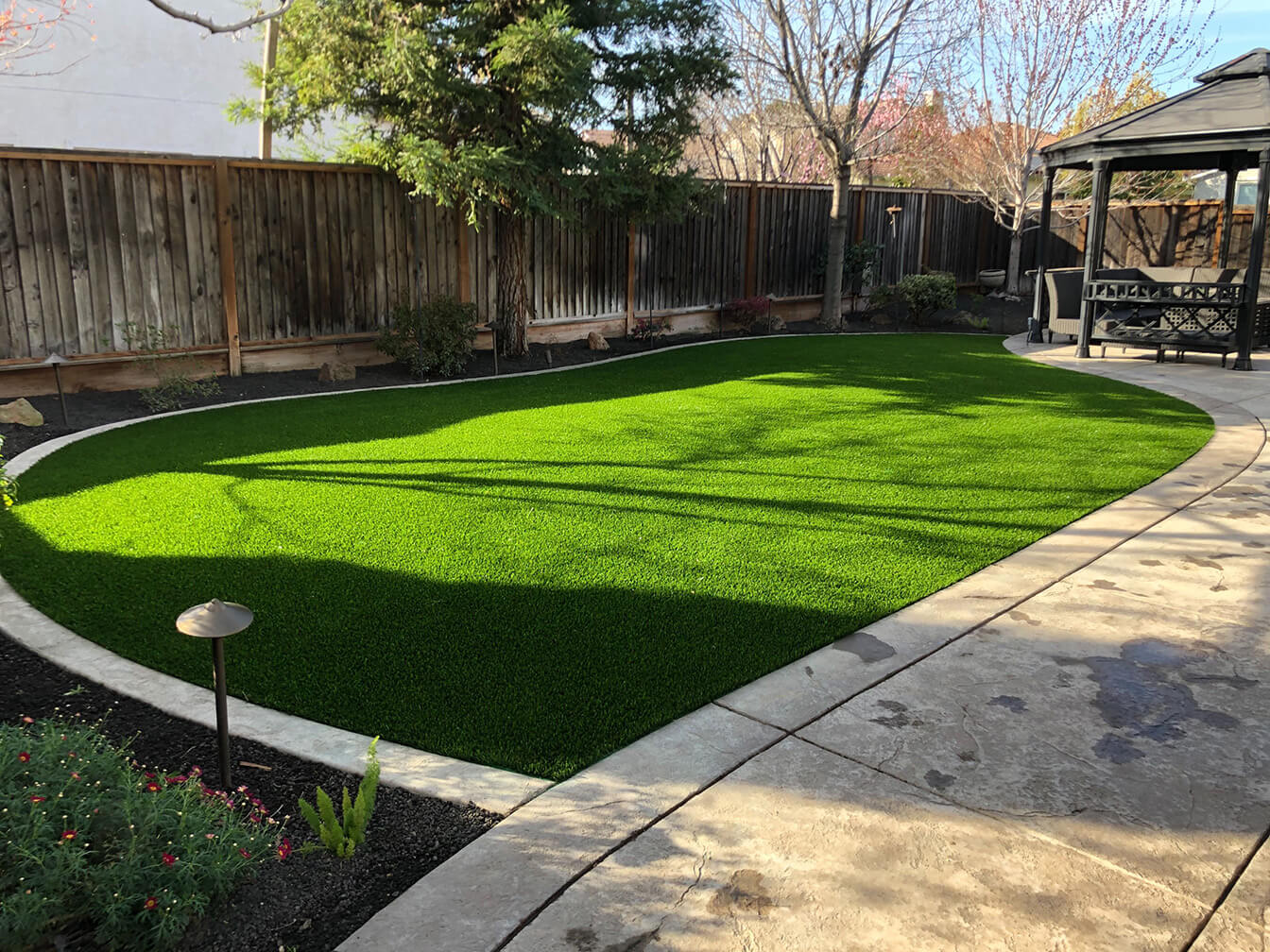
The Great Turf Debate: Weighing Costs and Benefits of Natural vs. Artificial Grass
Considering a lawn makeover? Let's explore the pros and cons of natural versus artificial grass to help you make the best choice for your needs.
1. The Rise of Artificial Grass in Australia
In Australia, artificial grass is gaining popularity for landscaping due to its low maintenance, durability, and water-saving qualities, which are especially appealing during droughts. Its consistent look and minimal need for watering make it a favorite for homes and businesses alike.
2. Natural Grass Still Holds Its Ground
Despite the rise of artificial turf, natural grass remains valued for its authentic look and ecological benefits, such as absorbing carbon. The big questions revolve around environmental effects: artificial turf saves water but might affect natural water flow and cause runoff problems, while natural grass helps local wildlife but needs more care.
3. Key Considerations: Maintenance, Lifespan, and Durability
When choosing between artificial and natural grass, several factors come into play. How much time and effort are you willing to invest in maintenance? How long do you expect your lawn to last? And how much wear and tear will it need to withstand? The following table summarizes some key differences.
| Criteria | Artificial Grass (Synthetic Turf) | Natural Grass |
|---|---|---|
| Maintenance Requirements | Low; does not require watering or mowing | High; requires regular watering and mowing |
| Lifespan | Offers 8–10 years of use | Varies depending on climate conditions |
| Durability | Suitable for heavy usage | Can be damaged under intense use |
| Aesthetic Appearance | Remains green all year round | Colour changes with seasons |
| Installation Time | Quick installation | Requires germination time |
| Cost | Higher initial cost, low maintenance cost | Lower initial cost, high maintenance cost |
Data source: Reform Sports “Difference Between Artificial Grass and Natural Grass – Comparison Table” July 11, 2025
4. Government Incentives and Environmental Impact
To tackle climate challenges, the Australian government is promoting the use of synthetic grass, while facility managers are constantly assessing the carbon footprint of both options. While artificial turf offers water savings, its impact on natural water infiltration and potential runoff issues remain a concern.
Inside the World of Turf Installation: What Affects Your Budget?
Thinking about installing artificial turf? Let's explore the key factors influencing your budget, from turf type to installation complexities.
1. Understanding Turf Costs
The initial outlay for artificial turf hinges on several elements. The type of turf you select plays a significant role, with budget-friendly options starting at approximately $50 AUD per square meter. Premium choices, offering enhanced durability and aesthetics, can reach $120 AUD per square meter. Don't forget to factor in those appealing extras, like padding for extra comfort or UV protection to keep your lawn looking vibrant for years to come, as these features will add to the overall cost.
2. The Impact of Installation Factors
Beyond the turf itself, installation costs can significantly impact your budget. These expenses can range from $50 to over $100 AUD per square meter, varying based on the project's complexity. Factors such as site accessibility, the extent of ground preparation needed (including soil removal), and the sophistication of the drainage solutions all contribute to these costs.
3. Size and Quality Considerations
The size of your lawn directly correlates with the total cost, but it’s not just about quantity. The quality of turf also matters. The following table illustrates these cost variations:
| Artificial Lawn Type | Size Range (sqm) | Average Cost per sqm (AUD) |
|---|---|---|
| Budget-Friendly Turf | 10 – 50 | A$50 – A$70 |
| Mid-Range Turf | 51 – 100 | A$70 –A $90 |
| Premium Quality Turf | 101 – 200 | A$90 – A$120 |
Data Source: ReelGrass Australia “How Much Does Artificial Grass Cost in Melbourne? Price Guide” June 24, 2025
4. Long-Term Value and Environmental Impact
While artificial turf involves a higher initial investment, it often translates to reduced long-term maintenance compared to natural grass. However, it's essential to consider the environmental aspects of synthetic materials. Weighing the upfront costs against the savings on watering, mowing, and fertilizing, alongside environmental considerations, will help you make an informed decision.
Beyond the Surface: Exploring Hidden Expenses in Astro Turf Setup
Thinking about installing artificial turf? While it promises a lush, low-maintenance lawn, it's crucial to consider the hidden costs that can significantly impact your budget.
1. Site Preparation: The Unseen Foundation
One of the significant hidden expenses in artificial turf installation lies in site preparation. This often involves removing existing soil or vegetation, leveling the ground, and ensuring proper drainage. These steps, though unseen, are crucial for a long-lasting and aesthetically pleasing result. Overlooking proper groundwork can lead to issues like uneven surfaces and water accumulation, ultimately costing more in repairs down the line.
2. Complexity and Additional Features
The complexity of your landscape plays a major role in the overall cost. Slopes, obstacles like trees, or irregular shapes can significantly increase labor and material expenses. Furthermore, features like padding for added safety or UV protection to combat the harsh Australian sun add to the per-square-meter cost.
3. Upfront vs. Ongoing Costs
While artificial turf eliminates the need for mowing and watering, it's important to remember the initial investment. This includes not only the turf itself but also the groundwork, infill materials, and potential future repairs. Consider the following price ranges for different types of artificial turf, keeping in mind that these prices don't include installation.
| Artificial Lawn Type | Size Range (sqm) | Average Cost per sqm(AUD) |
|---|---|---|
| Budget-Friendly Turf | 10 – 50 | A$50 – A$70 |
| Mid-Range Turf | 51 – 100 | A$70 – A$90 |
| Premium Quality Turf | 101 – 200 | A$90 – A$120 |
Data source: ReelGrass “How Much Does Artificial Grass Cost in Melbourne? Price Guide” June 24, 2025
4. Addressing Potential Issues
Even with proper installation, artificial turf can face challenges over time. Heat retention can be a concern, as well as weed growth through seams and general surface wear. Periodic cleaning and repairs might be necessary to address these issues, adding to the long-term cost of ownership.
From Green Dreams to Reality: Choosing the Right Installer for Your Lawn
Embark on your lawn transformation journey by understanding the key factors in selecting the perfect installer for your artificial turf needs.
1. Market Growth and Environmental Factors
The Australian artificial turf market is experiencing substantial growth, projected to reach AUD 7.25 billion by 2025. This surge is largely fueled by persistent drought conditions and increasing pressure on water resources, leading homeowners and businesses to seek water-saving alternatives like synthetic turf. This trend reflects a broader shift towards sustainable landscaping solutions in response to environmental challenges.
2. Key Players and Customization
Local companies such as SYNLawn Australia and Everhard Industries are playing a pivotal role in this market expansion by offering customized products specifically designed for the Australian climate. These tailored solutions ensure that artificial turf installations can withstand local weather conditions while maintaining their aesthetic appeal and functionality. The ability to customize turf solutions is a significant advantage for consumers seeking long-lasting and visually appealing landscapes.
3. Government Support and Adoption
Government initiatives, including subsidies for water-saving landscaping, are further accelerating the adoption of artificial turf across the country. These incentives make synthetic turf a more financially attractive option for property owners looking to reduce their water consumption and lower their environmental footprint. The combination of environmental awareness and financial benefits is driving widespread acceptance of artificial turf in both residential and commercial settings.
4. Demand Across Sectors
While sports venues, particularly cricket and tennis facilities, are a significant driver of demand, the residential and community landscape sectors are also experiencing notable growth. This indicates a broad appeal of artificial turf, extending beyond specialized applications to everyday landscaping needs. As more people recognize the benefits of low-maintenance, durable, and aesthetically pleasing lawns, the demand for artificial turf is expected to continue to rise across various sectors.
5. Installer Selection Criteria
When selecting an installation company, customers are increasingly prioritizing suppliers that offer comprehensive, one-stop services tailored to the local climate. Factors such as low maintenance requirements, high durability, and compliance with regulatory standards are also key considerations. Furthermore, customers are placing greater emphasis on the qualifications and certifications of the construction team, as well as the availability of reliable after-sales service guarantees.
Q&A
Question 1: What are the main factors driving the increasing popularity of artificial grass in Australia?
Answer: Australia's frequent droughts and growing water conservation concerns are the primary drivers. Artificial grass offers a low-maintenance, water-saving alternative to natural grass, making it increasingly attractive to both homeowners and businesses. Government incentives promoting water-efficient landscaping also contribute to its rising popularity.
Question 2: What are the key differences in cost and lifespan between artificial and natural grass?
Answer: Artificial grass has a higher initial cost but lower long-term maintenance costs due to reduced watering and mowing needs. Its lifespan is typically 8-10 years, while natural grass lifespan varies depending on climate conditions. Natural grass has a lower initial cost but significantly higher ongoing maintenance expenses.
Question 3: What factors influence the cost of installing artificial turf beyond the price of the turf itself?
Answer: Installation costs are significantly impacted by site preparation (soil removal, leveling, drainage), the complexity of the landscape (slopes, obstacles), and the inclusion of additional features like padding or UV protection. Accessibility of the site also plays a role in labor costs. The size of the area also impacts the overall cost.
Question 4: What are some hidden costs associated with artificial turf installation that homeowners should be aware of?
Answer: Significant hidden costs can arise from site preparation, which often involves extensive ground work. The complexity of the landscape (slopes, obstacles) and the need for additional features like padding increase expenses. Long-term costs may include periodic cleaning and repairs to address issues like weed growth or surface wear.
Question 5: What criteria should Australian homeowners consider when choosing an artificial turf installer?
Answer: Homeowners should prioritize installers offering comprehensive, climate-tailored services. Key considerations include low maintenance requirements, high durability, compliance with regulatory standards, installer qualifications and certifications, and reliable after-sales service guarantees. A one-stop-shop approach is increasingly preferred.