
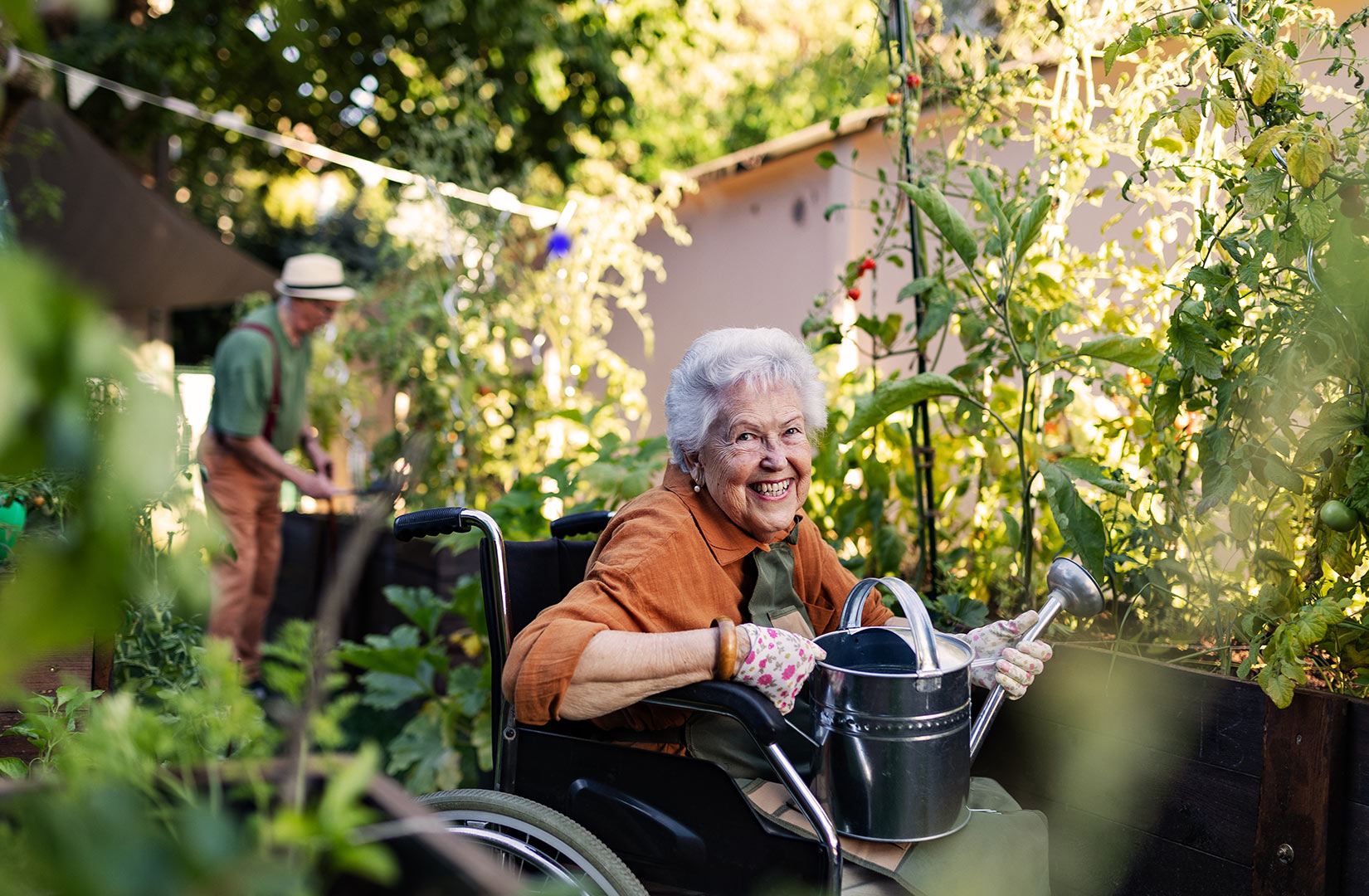
Understanding Mobility Needs in Assisted Senior Living
Assisted living facilities aim to provide a supportive environment for seniors, and understanding their mobility needs is crucial for ensuring their safety and well-being. Mobility limitations can impact a resident's independence and quality of life.
1. Common Mobility Challenges
Many seniors in assisted living face mobility challenges due to age-related conditions such as arthritis, osteoporosis, and neurological disorders. These conditions can lead to decreased muscle strength, balance problems, and joint pain, making it difficult to walk, climb stairs, or perform daily activities.
2. Assessing Mobility Levels
Comprehensive assessments are essential to determine each resident's mobility level and specific needs. These assessments typically involve evaluating their gait, balance, range of motion, and ability to perform functional tasks. The results help staff develop personalized care plans that address individual mobility limitations.
3. Assistive Devices and Technologies
A variety of assistive devices and technologies can help seniors maintain their mobility and independence in assisted living. These may include walkers, canes, wheelchairs, and mobility scooters. Additionally, some facilities offer advanced technologies such as robotic assistance or virtual reality programs to improve balance and coordination.
4. Environmental Modifications
Modifying the physical environment can significantly enhance mobility for residents. This may involve installing grab bars in bathrooms, ramps for wheelchair access, and non-slip flooring to reduce the risk of falls. Well-lit hallways and clutter-free spaces can also improve safety and ease of movement.
5. The Role of Physical Therapy
Physical therapy plays a vital role in maintaining and improving mobility in assisted living. Physical therapists can design exercise programs to strengthen muscles, improve balance, and increase flexibility. Regular therapy sessions can help seniors regain lost function and prevent further decline in mobility.
| Assistive Device | Primary Benefit |
|---|---|
| Walker | Provides stability and support for walking |
| Wheelchair | Enables independent mobility for those with limited walking ability |
| Grab Bars | Enhance safety and stability in bathrooms |
Source: National Institute on Aging, 2024
Essential Mobility Aids for Seniors Living Independently
Maintaining independence is a key concern for seniors. Mobility aids can help seniors live safely and comfortably in their own homes for longer.
1. Walkers and Rollators
Walkers provide stability and support for seniors who have balance issues or weakness in their legs. Rollators are similar to walkers but have wheels and often a seat, allowing for easier movement and resting. The global rollator market was valued at $1.1 billion in 2023 and is projected to reach $1.5 billion by 2030.
2. Canes
Canes are a simple and effective mobility aid for seniors needing minimal support. They help improve balance and reduce strain on joints. There are different types of canes, including single-point canes, quad canes, and folding canes, each designed to meet specific needs.
3. Wheelchairs and Scooters
Wheelchairs and scooters offer mobility for seniors who have difficulty walking long distances or have limited mobility. Wheelchairs can be manual or electric, while scooters are typically electric and offer more independence. The global electric wheelchair market is expected to reach $5.8 billion by 2028.
4. Stair Lifts
Stair lifts provide a safe and convenient way for seniors to navigate stairs in their homes. They are installed on staircases and carry a person up and down, reducing the risk of falls. According to a 2024 report, falls are the leading cause of injury and death from injury among older Americans.
5. Grab Bars and Handrails
Grab bars and handrails provide support and stability in bathrooms and other areas where falls are more likely to occur. They are typically installed near toilets, showers, and bathtubs to help seniors maintain their balance and prevent accidents.
| Mobility Aid | Description |
|---|---|
| Walker | Provides stability for seniors with balance issues |
| Rollator | Walker with wheels and a seat |
| Cane | Simple support to improve balance |
| Wheelchair | Manual or electric mobility for long distances |
| Stair Lift | Transports seniors up and down stairs |
| Grab Bar | Support in bathrooms and high-risk areas |
Data source: Multiple industry reports, 2024-2025.
Innovative Mobility Options to Enhance Senior Living
Senior living communities are increasingly adopting innovative mobility solutions to enhance residents' independence, safety, and overall quality of life. These options range from advanced transportation services to assistive technologies.
1. Autonomous Shuttles
Autonomous shuttles provide scheduled or on-demand transportation within senior living campuses. These driverless vehicles enhance mobility for residents who can no longer drive or prefer not to. They offer safe and reliable transportation to dining halls, activity centers, and medical facilities.
2. Electric Scooters and Wheelchairs
Electric scooters and wheelchairs offer increased independence for seniors with mobility challenges. Lightweight and easy to maneuver, these devices allow residents to navigate indoor and outdoor spaces with greater ease. Many models come equipped with safety features such as speed control and anti-tip technology.
3. Ride-Sharing Programs
Senior living communities are partnering with ride-sharing services to provide residents with convenient access to transportation for appointments, errands, and social outings. These programs often include trained drivers who are sensitive to the needs of elderly passengers. Some communities offer subsidized ride-sharing options to make transportation more affordable.
4. Smart Home Integration
Smart home technologies can be integrated with mobility solutions to enhance safety and convenience. For example, voice-activated systems can control lighting, temperature, and door locks, reducing the need for residents to move around unnecessarily. Sensors can detect falls and automatically alert caregivers or emergency services.
| Mobility Option | Description | Benefits |
|---|---|---|
| Autonomous Shuttles | Driverless vehicles for on-campus transportation. | Increased safety, reliability, and independence. |
| Electric Scooters | Lightweight, maneuverable devices for indoor and outdoor use. | Enhanced mobility, independence, and ease of navigation. |
| Ride-Sharing Programs | Partnerships with ride-sharing services for convenient transportation. | Access to appointments, errands, and social outings. |
| Smart Home Integration | Technology that controls lighting, temperature, and door locks. | Enhanced safety and convenience, reduced need for movement. |
Data source: Senior Living Innovation Forum, 2024.
Safety and Independence with Advanced Mobility Solutions
Advanced mobility solutions are transforming assisted senior living, promoting safety and independence for residents. These technologies aim to enhance the quality of life and provide peace of mind for both seniors and their families.
1. Smart Home Integration
Smart home technology integrates various devices to create a responsive and supportive environment. Features include automated lighting, temperature control, and voice-activated assistants. These systems can help seniors manage their surroundings more easily and safely, reducing the risk of falls and accidents.
2. Wearable Health Monitoring
Wearable devices, such as smartwatches and fitness trackers, continuously monitor vital signs like heart rate, sleep patterns, and activity levels. This data can be shared with healthcare providers, enabling proactive care and early detection of potential health issues. Fall detection features can automatically alert caregivers in case of an emergency.
3. GPS Tracking and Geofencing
GPS tracking devices can be discreetly integrated into clothing or accessories to monitor a senior's location. Geofencing allows caregivers to set up virtual boundaries, receiving alerts if a resident wanders outside designated safe areas. This technology is particularly useful for individuals with cognitive impairments.
4. Mobility Assistance Devices
Advanced mobility assistance devices, such as powered wheelchairs and scooters, offer enhanced maneuverability and stability. These devices can navigate various terrains, providing seniors with greater independence and access to outdoor spaces. Features like obstacle detection and anti-tip technology improve safety.
5. Medication Management Systems
Automated medication dispensers help seniors adhere to their prescribed medication schedules. These systems can be programmed to release the correct dosage at the right time, with reminders to ensure compliance. Caregivers receive alerts if a dose is missed, reducing the risk of medication errors.
| Mobility Solution | Benefit |
|---|---|
| Smart Home | Enhanced safety and convenience |
| Wearables | Proactive health monitoring and fall detection |
| GPS Tracking | Location monitoring and geofencing |
Data Source: Senior Living Innovation Forum, 2024
Q&A
Question 1: What are some common mobility challenges faced by seniors in assisted living facilities, and how do these challenges impact their lives?
Answer: Many seniors experience mobility limitations due to age-related conditions like arthritis, osteoporosis, and neurological disorders. These conditions can weaken muscles, impair balance, and cause joint pain, making everyday tasks like walking, climbing stairs, and performing self-care difficult. This impacts their independence and overall quality of life, potentially leading to decreased social interaction and a decline in mental well-being.
Question 2: What types of assistive devices and technologies are available to improve mobility for seniors in assisted living and independent living settings?
Answer: A wide range of options exists, from basic aids like canes and walkers to more advanced technologies. Walkers provide stability, wheelchairs offer mobility for those with limited walking ability, and rollators combine the benefits of both. Electric scooters and wheelchairs offer increased independence. Advanced options include robotic assistance and virtual reality programs for balance and coordination improvement. For the home environment, stair lifts and grab bars are also crucial.
Question 3: How can environmental modifications improve mobility and safety for seniors living in assisted living facilities or independently at home?
Answer: Simple modifications can greatly enhance safety and ease of movement. This includes installing grab bars in bathrooms, ramps for wheelchair access, and non-slip flooring to prevent falls. Well-lit hallways and clutter-free spaces are also essential. In homes, stair lifts can address stair challenges, while grab bars and handrails provide support in high-risk areas like bathrooms.
Question 4: What is the role of physical therapy in maintaining and improving mobility for older adults?
Answer: Physical therapy is crucial for maintaining and improving mobility. Physical therapists create personalized exercise programs to strengthen muscles, improve balance, and increase flexibility. Regular therapy sessions help seniors regain lost function, prevent further decline, and improve their overall physical capabilities and quality of life.
References:
- https://angelcareny.com/best-mobility-aids-for-seniors-how-to-choose-the-right-one/
- https://step2health.com/blogs/news/the-best-mobility-aids-for-seniors-what-you-need-to-know
- https://seniorlivingnearme.com/resources/senior-monitoring-devices-enhancing-safety-and-independence
- https://reciteme.com/us/news/assistive-technology-for-the-elderly/
- https://familymattershc.com/aging-in-place-technologies-to-help-seniors-stay-at-home/