
Understanding Solar Power Systems
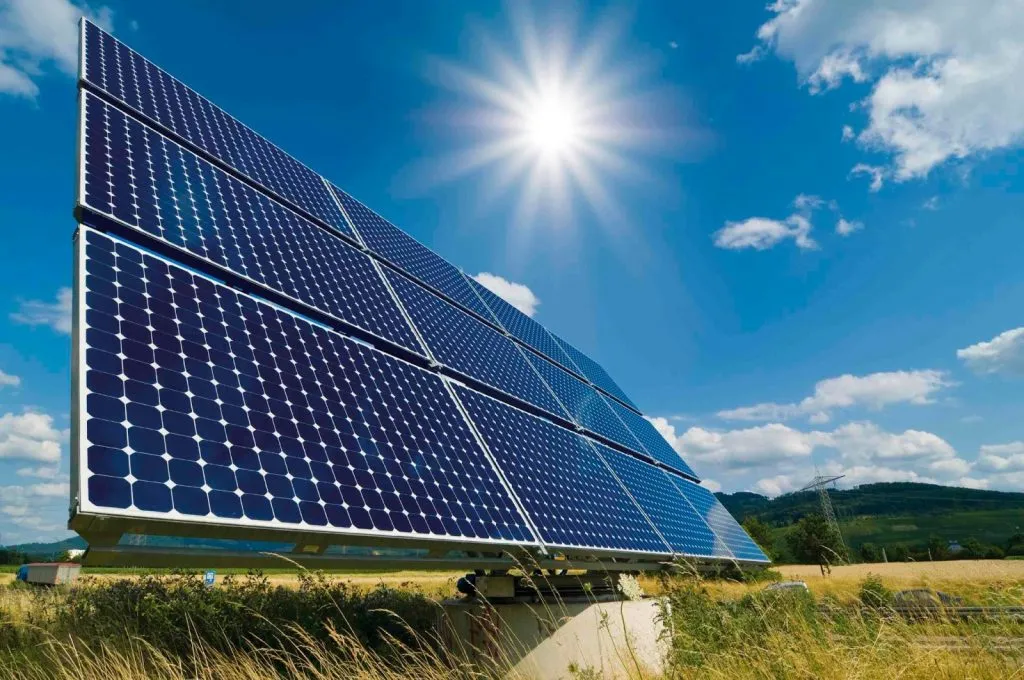
Solar power systems use photovoltaic (PV) panels to convert sunlight into electricity, providing a clean and renewable energy source. In Australia, where sunshine is abundant, solar energy helps lower electricity bills and reduce carbon footprints. Many homeowners and businesses are switching to solar to gain energy independence and support sustainability.
A typical system includes solar panels, an inverter, mounting equipment, and optional battery storage. The panels absorb sunlight, generating direct current (DC) electricity, which the inverter converts to alternating current (AC) for household use. Battery storage allows excess energy to be saved for later use.
When installing a solar system, consider panel efficiency, government rebates, system size, and long-term savings. Australian homeowners may benefit from solar incentives and feed-in tariffs, making solar an affordable and eco-friendly investment.
Key Components
Solar Panels
-
Function: Capture sunlight and convert it into direct current (DC) electricity.
-
Types: Monocrystalline, polycrystalline, and thin-film panels.
Inverter
-
Function: Converts DC electricity into alternating current (AC) for home use.
-
Types: String inverters, microinverters, and power optimizers.
Mounting System
-
Function: Secure solar panels to roofs or the ground.
-
Types: Fixed mounts and tracking systems that follow the sun's path.
Battery Storage (Optional)
-
Function: Stores excess energy for use during nighttime or cloudy days.
-
Types: Lead-acid, lithium-ion, and flow batteries.
Benefits of Solar Power Systems
Solar power systems offer numerous advantages that make them a worthwhile investment for homeowners and businesses.
|
Benefit
|
Explanation
|
|
Cost Savings
|
Significant reduction in electricity bills.
|
|
Energy Independence
|
Reduced reliance on the grid and protection from rising energy costs.
|
|
Environmental Impact
|
Decrease in carbon emissions and fossil fuel dependency.
|
|
Property Value
|
Increased property value due to energy-efficient installations.
|
|
Incentives
|
Access to government rebates and tax credits.
|
Source: Clean Energy Council
Solar Power Cost Analysis
Understanding the cost of solar power systems is crucial for making informed decisions. Costs can vary based on location, system size, and panel type. Below is a cost analysis to provide a clearer picture.
|
Component
|
Average Cost
|
Factors Influencing Cost
|
|
Solar Panels
|
3,000 -10,000
|
Type, efficiency, and manufacturer
|
|
Inverter
|
1,000 -3,000
|
Type and capacity
|
|
Installation
|
5,000 -10,000
|
Complexity and installer experience
|
|
Battery Storage
|
5,000 -15,000
|
Capacity, type, and brand
|
Source: SolarQuotes
Competitive Landscape: Solar Panel Companies
Choosing the right solar panel company is essential for a successful solar installation. Here are some leading companies and their offerings:
SunPower
-
Strengths: High-efficiency panels, comprehensive warranty.
-
Considerations: Premium pricing may not suit all budgets.
LG Solar
-
Strengths: Reliable performance, strong brand reputation.
-
Considerations: Availability may vary by region.
Tesla
-
Strengths: Innovative solar solutions, integrated with Powerwall.
-
Considerations: Long wait times for installation.
REC Group
-
Strengths: Affordable pricing, solid performance.
-
Considerations: Limited advanced technology options.
Integrating Solar Solutions with Outdoor Living Spaces
Incorporating solar solutions into outdoor living spaces such as pergolas and sunrooms enhances functionality and aesthetics. Solar panels can be installed on pergola roofs to generate energy while providing shade and comfort.
Pergola Solar Panels
-
Benefits: Installing solar panels on a pergola is an innovative way to utilize unused outdoor space while generating renewable energy. This approach not only helps reduce electricity bills but also enhances the functionality of outdoor areas, making them more comfortable and energy-efficient. Additionally, it can increase property value, as solar-integrated pergolas are both aesthetically pleasing and environmentally friendly.
-
Considerations:Before installation, a structural assessment is necessary to ensure the pergola can support the weight of solar panels. Design planning is also crucial to maximize sunlight exposure and efficiency. Choosing weather-resistant materials and a durable mounting system will enhance the longevity of the installation.
Sunroom Patios with Solar Integration
-
Benefits:A solar-integrated sunroom patio creates a sustainable, energy-efficient living space that provides both comfort and functionality. By incorporating solar panels, homeowners can generate their own electricity, reducing reliance on the grid while enjoying a bright, naturally lit indoor-outdoor area. This setup is ideal for entertaining, relaxing, or even growing indoor plants.
-
Considerations: The initial installation costs may be higher due to the need for custom design, high-quality materials, and electrical integration. Proper planning is essential to ensure that the solar panels are positioned for optimal energy production while maintaining the aesthetic appeal of the sunroom. However, government incentives and long-term energy savings can offset these costs over time.
Frequently Asked Questions (QA)
Q1: How long do solar panels last?
Solar panels typically last 25 to 30 years, with most manufacturers offering performance warranties to guarantee at least 80-90% efficiency over this period. While energy production slightly declines over time, high-quality panels continue generating power well beyond their warranty period.
Q2: What maintenance do solar power systems require?
Solar power systems require minimal maintenance, usually limited to periodic cleaning of panels to remove dust, debris, or bird droppings. Regular inspections by a professional can help detect any issues with the inverter or wiring, ensuring optimal energy efficiency year-round.
Q3: Are there government incentives for solar installations?
Yes, Australia offers various federal and state-level incentives, including the Small-scale Renewable Energy Scheme (SRES), which provides rebates to reduce upfront costs. Additionally, feed-in tariffs allow homeowners to earn credits for exporting excess energy back to the grid.
Q4: Can solar panels withstand extreme weather conditions?
High-quality solar panels are built to withstand harsh Australian weather, including strong winds, heavy rain, and hail. Most panels undergo rigorous testing to meet international durability standards, ensuring long-term reliability even in extreme climate conditions.
Q5: How do I choose the right solar panel company?
When selecting a solar provider, consider factors such as panel efficiency, warranty coverage, installation quality, and company reputation. Reading customer reviews, checking accreditations (like Clean Energy Council approval), and comparing quotes can help ensure a reliable investment.
Solar systems and panels offer a sustainable and economically viable energy solution for homeowners. By leveraging solar technology and integrating it with outdoor living spaces, individuals can significantly reduce energy costs, enhance property value, and contribute to a greener future. Understanding the components, costs, and competitive landscape will empower homeowners to make informed decisions and maximize the benefits of solar energy.