
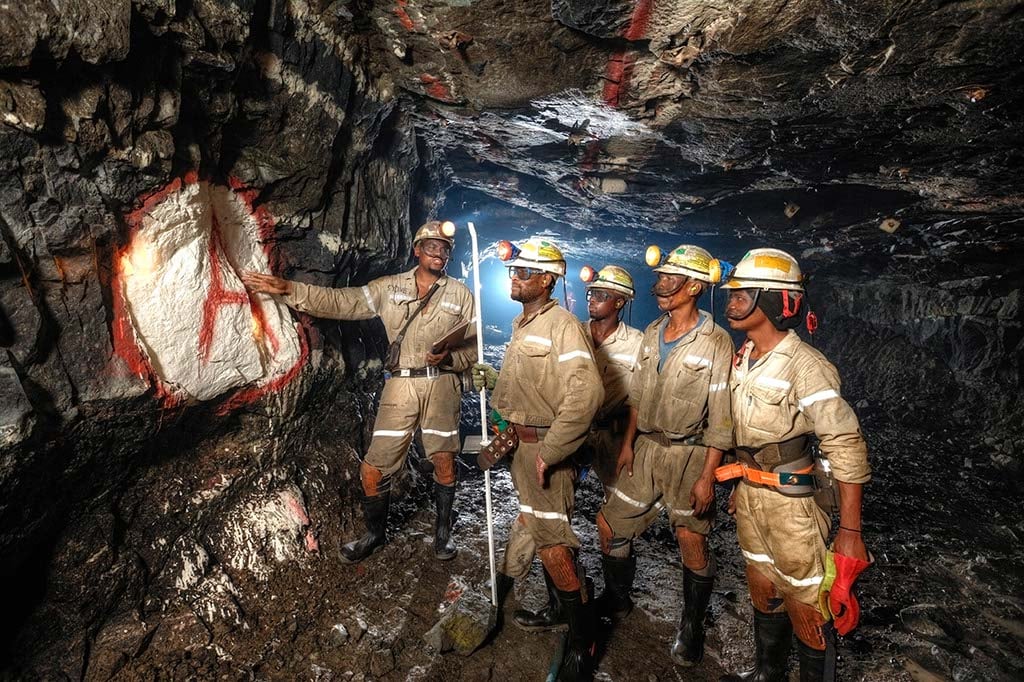
Rising Stars: Your Launchpad with Mining Learnerships
Mining, like any specialized industry, benefits from skilled and well-trained individuals. Learnerships offer an excellent entry point, particularly for those new to the field. Let's delve into what these programs entail and how they can kickstart your journey.
What are Mining Learnerships?
Learnerships are structured training programs that combine theoretical learning with practical, on-the-job experience. They're designed to equip individuals with the specific skills and knowledge needed to perform particular roles within the mining sector. These programs are generally offered by mining companies or training institutions in partnership with these companies. Instead of jumping straight into a job with no prior knowledge, you gain a solid foundation and valuable practical experience. Think of it as a stepping stone, providing you with the tools you need to succeed. They are a pathway to understanding the intricacies of the industry, from safety protocols to operational procedures. Learnerships provide a comprehensive introduction, ensuring newcomers are well-prepared for the demands of the job. The curriculum often includes a mix of classroom instruction and hands-on training at mine sites, offering a balanced learning experience.
Benefits of Starting with a Learnership
The benefits of beginning your mining career with a learnership are numerous. Firstly, it provides structured training. You'll learn from experienced professionals and gain insights into the day-to-day operations of a mine. Secondly, and perhaps most importantly, you earn while you learn. Learnerships typically involve a stipend or allowance, which helps cover living expenses during the training period. This financial support makes it possible for individuals from diverse backgrounds to participate. Furthermore, a successful completion of a learnership can significantly improve your chances of securing a full-time position within the company or elsewhere in the mining industry. It's a fantastic way to prove your commitment and demonstrate your newly acquired skills. Many companies prioritize hiring individuals who have completed their learnership programs, recognizing the value of the training and experience they have gained.
Finding and Applying for Learnerships
So, where can you find these learnership opportunities? The best place to start is by researching mining companies operating in your region. Many companies actively advertise their learnership programs on their websites or through recruitment agencies. Government employment portals can also be a valuable resource, as they often list learnerships in various sectors, including mining. When applying, pay close attention to the specific requirements of each program. This might include certain educational qualifications, a minimum age requirement, or specific skills that are considered desirable. A well-crafted resume and a compelling cover letter are essential for making a strong impression. Highlight any relevant skills or experience, even if they are not directly related to mining, and emphasize your eagerness to learn and contribute to the industry. Networking is also key – attend industry events, connect with professionals on platforms, and let people know you're looking for a learnership.
The Art of Advancement: Transitioning from Entry to Expert Roles
Mining, a field often associated with raw power and extraction, is increasingly becoming a high-tech and sophisticated industry. This evolution creates exciting career pathways for individuals willing to learn and adapt. From recent graduates to experienced professionals looking for a change, the mining sector offers diverse opportunities for growth. Let's explore how to navigate this landscape and transition from entry-level positions to expert roles.
Building a Foundation: Entry-Level Skills and Opportunities
Starting a career in mining often begins with a strong educational foundation. For example, a Graduate Mining Engineer role typically requires a degree and proficiency in industry-standard software. Expertise in programs like Surpac, Whittle, Deswik, Datamine, and Micromine is highly valued. These skills are essential for tasks such as mine planning, resource estimation, and optimizing extraction processes. Entry-level positions also provide invaluable hands-on experience. This experience allows you to apply theoretical knowledge to real-world challenges, understand operational workflows, and build relationships with seasoned professionals. Entry-level roles also offer the chance to explore different facets of the mining industry. You might start in operations, focusing on the day-to-day activities of extraction and processing. Or, you could be involved in environmental management, ensuring sustainable practices are followed. The key is to be open to learning and actively seeking opportunities to expand your skillset.
Investing in Yourself: Continuous Learning and Skill Development
The mining industry is constantly evolving, with new technologies and techniques emerging regularly. To advance your career, continuous learning is paramount. This means staying abreast of industry trends, acquiring new skills, and deepening your understanding of core mining principles. Many mining companies recognize the importance of employee development and invest in training programs. These programs may cover a wide range of topics, from advanced software applications to leadership skills. Take advantage of these opportunities to enhance your knowledge and expand your professional network. Beyond formal training, consider pursuing professional certifications relevant to your area of expertise. These certifications demonstrate your commitment to excellence and can significantly boost your credibility. Additionally, consider attending industry conferences and workshops to learn from experts and network with peers.
Navigating the Job Market: Trends and Opportunities
The mining job market, like any other, experiences fluctuations. While there may be periods of increased layoffs, other factors contribute to overall employment stability and career advancement. One such factor is the "quit rate," which reflects workers' confidence in their ability to transition to new roles or advance within their current company. Despite potential volatility, the demand for skilled mining professionals remains consistent, particularly in specialized areas. Technological advancements, such as those driving rare earth extraction from beach sand, are creating new opportunities for experts in areas like renewable energy and electric vehicle technologies. To navigate the job market effectively, it's crucial to stay informed about industry trends and adapt your skills accordingly. Focus on developing expertise in high-demand areas, such as data analytics, automation, and sustainable mining practices. This will increase your competitiveness and open doors to exciting career advancements.
Behind the Scenes: The Role of Internships in a Mining Career
Internships are often the unsung heroes when it comes to launching a successful career. This is especially true in a complex and multifaceted field like mining. They offer a unique behind-the-scenes look at the industry, providing invaluable experience and setting the stage for long-term career growth. Let's explore why internships are so vital for aspiring mining professionals.
The Value of On-Site Experience
Internships provide something that textbooks and classrooms simply can't: real-world, on-site experience. Mining is a practical field, and understanding the day-to-day operations, the challenges faced, and the technologies used is crucial for success. As an intern, you'll get to see firsthand how theory translates into practice. You'll be exposed to industry practices, safety protocols, and the collaborative effort required to run a mining operation. This hands-on exposure not only enhances your technical skills but also provides a deeper understanding of the industry's dynamics. This can range from observing geological surveys to assisting with environmental impact assessments. The experience gleaned during an internship is a significant advantage when applying for full-time positions.
Building a Talent Pipeline: Internships as "Retention Seeds"
Companies recognize the strategic value of internships. They're not just about providing students with work experience; they're about cultivating future talent. Internships act as a "retention seed" by integrating interns into the company culture and providing them with clear career paths. A well-structured internship program allows companies to assess potential employees, train them in line with their specific business needs, and foster the skills critical for sustainable career progression. For the intern, this means a chance to showcase your abilities, learn the ropes, and potentially secure a long-term position with the company. The time and resources invested in an intern can translate into a loyal and skilled employee, making internships a win-win for both the individual and the organization.
Bridging Academia and Industry
One of the biggest challenges for graduates entering the workforce is the gap between academic knowledge and practical application. Internships serve as a bridge, connecting what you learn in the classroom with the realities of the industry. Many programs, such as joint Master's programs in Applied Geophysics, incorporate internships and research projects directly tied to industry needs. These experiences provide hands-on exposure to exploration techniques, resource assessment, and the challenges faced in real-world projects. By applying your academic knowledge to practical situations, you gain a deeper understanding of the material and develop the problem-solving skills that are highly valued by employers. Moreover, this exposure can help you refine your career interests and identify specific areas within the mining sector that you're passionate about.
Developing Specialized Skills
Internships offer opportunities to develop specialized skills that are in high demand within the mining industry. These can range from technical skills, such as operating specialized equipment or analyzing geological data, to soft skills, such as communication, teamwork, and problem-solving. Some internship programs even offer specific training in areas like gas business management, which has parallels with many operational functions within the broader extractive industries like mining. This targeted training enhances your expertise and makes you a more attractive candidate for future employment. Furthermore, the opportunity to work alongside experienced professionals provides invaluable mentorship and guidance, accelerating your learning and development.
Expanding Your Professional Network
Beyond the technical skills and practical experience, internships provide a chance to build your professional network. You'll be working alongside experienced mining professionals, learning from their expertise, and forging relationships that can last throughout your career. These connections can provide valuable advice, mentorship, and even future job opportunities. Attending industry events, participating in company social activities, and simply engaging with your colleagues can all contribute to building a strong professional network. Remember to stay in touch with your colleagues and supervisors after your internship ends, as they can be valuable resources as you navigate your career path.
Question and Answer
-
How can I apply for entry-level mining jobs with training?
Applying for entry-level mining jobs with training typically involves searching for mining companies or educational institutions offering learnerships or training programs. These opportunities often combine classroom instruction with practical, on-the-job training, providing a comprehensive introduction to the mining industry. To increase your chances, research companies that are known for offering such programs and prepare a compelling application highlighting your eagerness to learn and any relevant skills or experiences.
-
Where can I find high-paying mining jobs that provide housing?
High-paying mining jobs that offer housing are often found in remote or challenging locations where attracting skilled workers can be difficult. Companies like those in the gold or coal mining sectors frequently provide these benefits to incentivize workers. Job seekers should look at company websites, job boards, and recruitment agencies that specialize in mining roles. Additionally, networking within industry events can provide leads on such opportunities.
-
What steps should I take to get hired immediately as a heavy equipment operator in mining?
To get hired quickly as a heavy equipment operator in the mining industry, you should first ensure you have the necessary certifications and licenses for operating the specific machinery used in mining operations. Then, tailor your resume to highlight relevant experience and skills, and apply to mining companies that are actively seeking operators. Attending job fairs, joining industry-specific groups, and keeping an eye on job listings for immediate hire positions can also be effective strategies.
-
Are there underground mining jobs that offer signing bonuses?
Yes, some underground mining jobs offer signing bonuses as a way to attract skilled workers to these demanding roles. These bonuses are more common in regions with labor shortages or in positions requiring specialized skills. To find these opportunities, candidates should explore job postings on mining company websites, consult with recruitment agencies, and check industry-specific job boards. Researching companies known for competitive compensation packages can also lead to discovering roles with signing bonuses.