
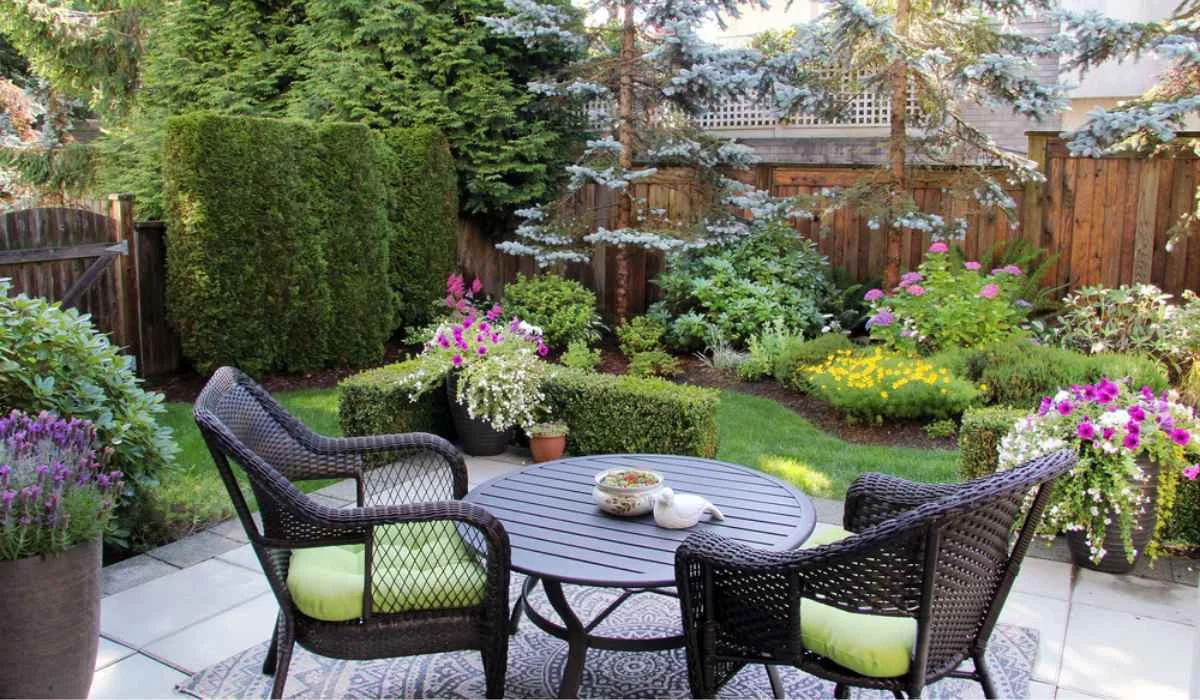
Rethinking Vertical Space and Narrow Margins
Elevating the Urban Oasis
When passion for gardening meets a limited balcony or patio, the floor quickly disappears under a clutter of pots, leaving little room for people. The secret to reclaiming this space lies not in reducing the greenery, but in shifting the perspective from a flat plane to a three-dimensional volume. By prioritizing vertical arrangements over floor-based ones, a cramped area can transform into an airy, breathable oasis.
Utilizing walls for mounted planters or installing sturdy hooks for hanging baskets draws the eye upward, creating an illusion of spaciousness that exceeds the actual square footage. This approach does more than just save space; it changes the human experience of the garden. When greenery is suspended at eye level or cascades from above, it envelops the viewer, creating a sense of immersion that ground-level pots cannot achieve. Furthermore, selecting functional, lightweight containers reduces the load on building structures and simplifies daily maintenance. When you look out the window and see a curated wall of green rather than a chaotic floor, the psychological benefit is immediate—a sense of order and tranquility that bleeds into your daily indoor life.
Activating the "Dead Zones"
The narrow strips of land between a house and a fence, or the shaded service alleys along the side of a building, are often dismissed as "dead spaces" in landscaping. These areas usually suffer from poor light, compacted soil, or concrete paving that makes traditional planting impossible. However, these challenging constraints actually make them the perfect stage for container gardening, where the environment can be strictly controlled.
Mobile containers allow you to bypass poor ground soil entirely, providing the perfect custom mix for specific plants. More importantly, they offer the flexibility to chase the sun or retreat to the shade as seasons change. By arranging pots of varying heights and diameters along these narrow corridors, you introduce a visual rhythm that breaks the monotony of a straight path. What was once a utility walkway becomes a journey with depth and character. The addition of foliage against a stark exterior wall softens the architectural lines, turning a rigid boundary into a living element that marks the passing of seasons.
The Art of Structure and Selection
Layering and Stacking for Depth
To give a garden genuine depth, one must look beyond the simple placement of a pot on the ground. The technique of "stacking"—using bricks, natural stone, or purpose-built risers to create varying elevations—is essential. Creating these artificial changes in height provides a physical anchor for the garden. Using local stone or reclaimed brick not only supports sustainability efforts but also grounds the container garden in the local vernacular, making it feel like a natural extension of the landscape rather than a temporary addition.
Once the structural "bones" are in place, the concept of "layering" comes into play. mimicking the structure of a natural forest. A successful composition includes a canopy layer (tall, architectural plants), a shrub layer (medium-density foliage), and a ground cover layer (trailing plants). This vertical stratification increases the density of green without widening the footprint. When using native species for these layers, the plants often support one another, reducing the need for intensive care. The interplay of shadows and filtered light through these layers creates a cooling effect and a visual quietness, turning a small corner into a sanctuary.
| Feature to Consider | Resin & Composite | Glazed Ceramic | Reclaimed Wood |
|---|---|---|---|
| Durability | High; resistant to cracking and frost. | Moderate; can crack in extreme freeze/thaw cycles. | Variable; requires lining or treatment for moisture. |
| Portability | Excellent; lightweight and easy to rearrange. | Low; heavy and difficult to move once filled. | Low to Moderate; depends on size and construction. |
| Aesthetic Vibe | Modern, sleek, and minimalist. | Traditional, glossy, and ornamental. | Rustic, warm, and organic. |
| Moisture Retention | High; non-porous sides reduce evaporation. | Moderate; porous clay breathes but loses water faster. | High; wood insulates roots from heat and cold. |
Cohesion Through Clustering
A common mistake in small garden design is the "scatter approach," where pots and ornaments are distributed evenly across the space. This increases visual noise and makes the area feel smaller and messier. The antidote is "clustering"—the intentional grouping of elements into unified vignettes. By gathering pots into groups of three or five, you create focal points that allow the eye to rest.
Clustering serves both an aesthetic and a functional purpose. Visually, combining different leaf textures (ferns against succulents) or coordinating pot colors creates a collage effect where each element enhances the other. Functionally, grouping plants creates a microclimate that helps retain humidity, and it streamlines the watering process. Instead of dragging a hose to ten different spots, you water two or three main clusters. This organization brings a sense of curated calm, proving that a low-maintenance garden does not require sacrificing abundance.
Sensory Details and Atmosphere
Softening the Hardscape
The material beneath our feet sets the tempo for the entire garden. While concrete and pavers offer stability, integrating gravel or crushed stone introduces a "soft" element that changes the pace of movement. The audible crunch of footsteps on gravel subconsciously signals the brain to slow down. Visually, the texture of small stones diffuses light, preventing the harsh glare often associated with solid concrete slabs. Choosing light grey or beige tones can brighten a shaded courtyard, acting as a natural reflector.
The transition between the path and the planting zone is another opportunity for design finesse. Rather than a rigid straight line, using pots to blur the edges creates a more organic feel. Placing rounded, overflowing pots at sharp corners or along straight walls breaks up the geometry. The juxtaposition of a rough stone path, a smooth planter, and soft, feathery foliage creates a tactile richness. This approach transforms a backyard from a mere viewing space into an outdoor room that feels inhabited and comfortable.
The Quiet Power of Water
Water is often overlooked in small modern gardens due to the misconception that it requires plumbing or excavation. However, a simple, still vessel of water—a wide ceramic bowl or a modern stone basin—can dramatically expand the sense of space. A still water surface acts as a horizontal mirror, reflecting the sky and the surrounding greenery. This reflection adds a layer of depth that tricks the eye, making the boundaries of the garden feel less defined and more expansive.
The interaction between light and water is where the magic truly happens. During the day, sunlight bouncing off the water casts dancing ripples onto nearby walls or fences, adding movement to a static space. At night, a simple solar light directed at the water feature can create a moody, ambient glow. This element introduces the concept of "fluidity" to the landscape. It requires minimal effort—just keeping the vessel topped up and clean—but creates a powerful focal point that invites contemplation and deepens the sense of Zen calm.
| Sensory Element | Design Application | Psychological Effect |
|---|---|---|
| Sound | Gravel paths or a gentle trickle of water. | Slows the pace; masks urban background noise. |
| Touch | contrasting textures like rough stone vs. smooth leaves. | Grounds the visitor in the present moment. |
| Sight | Reflective water surfaces or mirrors tucked in foliage. | Expands perceived space; induces a meditative state. |
| Movement | Ornamental grasses or light-reflecting water ripples. | Adds life and dynamism to static architectural spaces. |
Q&A
-
How can Modern Landscape Garden Design blend clean aesthetics with everyday usability?
Modern design uses simple geometry, limited plant palettes, and integrated lighting, while hiding storage, drainage, and utilities within decks, planters, and screens so the garden looks sleek but still works for cooking, entertaining, and kids’ play. -
What are smart strategies for Small Backyard Garden Design to avoid feeling cramped?
Use vertical planting, built‑in seating, and multi‑use features like bench‑planter combos, keep materials consistent, and layer plants by height so the eye is drawn outward and upward, making the compact space feel intentional and larger. -
How can Japanese Zen Garden Design be adapted to a typical suburban yard?
Focus on a few elements—raked gravel, a stone grouping, a single sculptural tree, and a simple bench—reduce color, use natural materials, and frame views from windows so even a corner of the yard becomes a calm contemplation area. -
What makes a Sustainable Garden Design genuinely eco‑friendly rather than just a trend?
It minimizes irrigation through drought‑tolerant and native species, improves soil with compost, reduces lawn, captures rainwater, supports pollinators, and selects durable, locally sourced materials so the garden benefits local ecosystems long‑term. -
How can Low Maintenance Garden Design still look lush and welcoming around an Outdoor Living Space Landscape?
Rely on tough evergreen structure, mass‑plant a few reliable species, use drip irrigation and thick mulch, avoid fussy borders, and frame patios with large, simple planting blocks so the area feels green yet needs minimal ongoing care.