
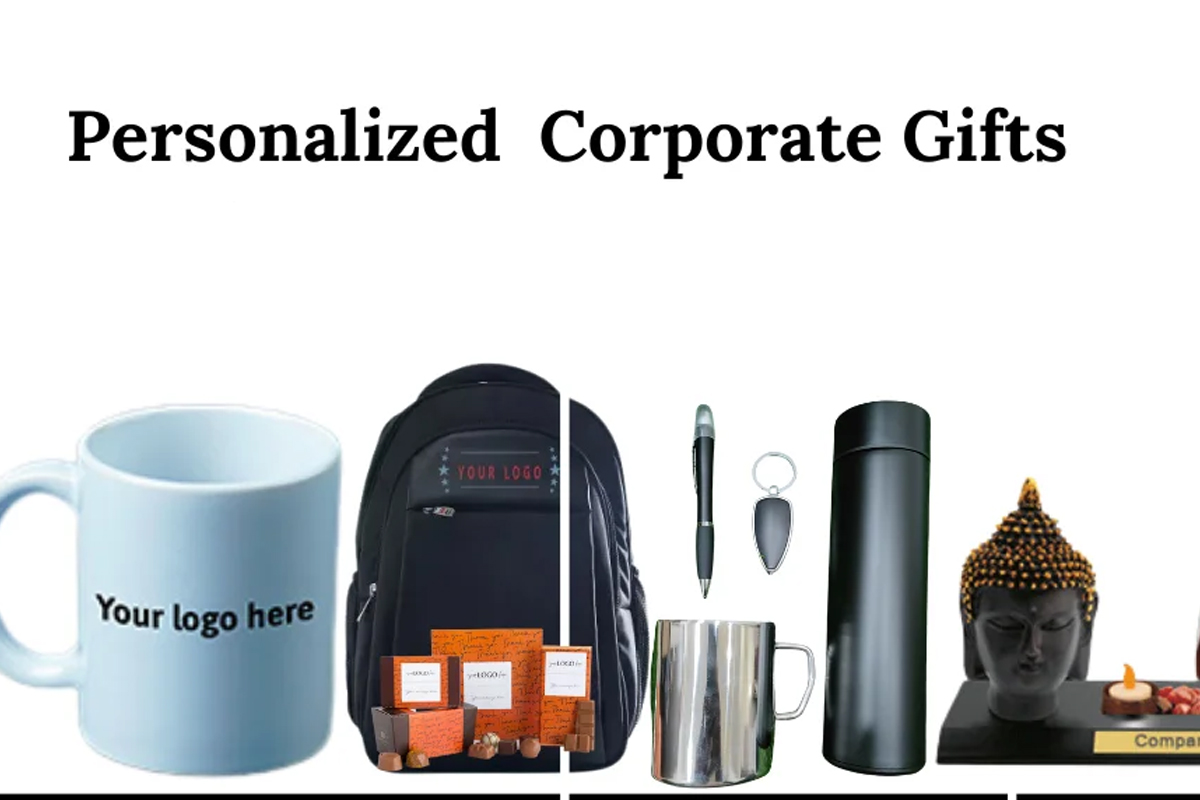
Personalization That Feels Human
Using “gentle data” instead of deep dives
Modern gifting tools can surface everything from order history to event attendance. The trick is to use “gentle data” that feels natural, not invasive. Past purchases, preferred colors on previous projects, or the fact that a client always signs up for workshops are fair game. Private social posts, third‑party behavioral profiles, or guesses about personal life are not. If someone would be surprised you had a certain detail, it probably doesn’t belong anywhere near a gift decision. Staying on the right side of that line keeps personalization thoughtful instead of unsettling.
Tiny touches that make it feel one‑to‑one
Names and small references go a long way when they’re handled lightly. A card that uses the name people actually go by, a nod to a big project you just wrapped together, or a color that matches the notebooks they always order quietly says, “This is for you, not just for anyone.” Personalization doesn’t have to mean engraving every item; it can live in language, timing, and context. Even a modest snack box feels different when the note says, “For surviving launch week,” instead of, “Season’s greetings from the marketing team.”
Choosing the Right Kind of Gift
When stationery still wins
Paper goods are quietly powerful because they slip into daily routines. A well‑made notebook, task pad, or weekly planner used at a desk meeting after meeting becomes a recurring reminder of the relationship. The key is to move beyond the most generic versions. Consider page layouts that match how your audience actually plans their work, covers that feel like something they’d buy for themselves, and branding that stays subtle. Instead of one default layout for everyone, offering a choice between, say, structured daily pages and open weekly spreads already feels more personal.
| Audience habit or context | Stationery direction that usually fits best | Why it tends to resonate |
|---|---|---|
| Lives in back‑to‑back meetings with lots of notes | Sturdy notebook with generous pages, simple layout, minimal logo | Becomes a real tool, not a billboard |
| Juggles multiple projects and deadlines | Weekly planner with project sections and checklists | Helps them feel in control, not overwhelmed |
| Hybrid or remote schedule with flexibility | Compact planner plus sticky tabs or bookmarks | Easy to move between home, office, and travel |
These kinds of tweaks turn “just another notebook” into a small sense of being understood, without demanding any sensitive data.
Turning mascots and plush into real connectors
Soft toys aren’t just for kids’ conferences anymore. A plush character on a desk can carry more emotional weight than a high‑tech gadget that never gets used. The secret is giving the character a bit of personality and a clear role. A small mascot tied to a milestone project, an internal values phrase, or a shared joke becomes a symbol of belonging. Materials matter: soft, durable fabrics and simple, friendly expressions beat over‑detailed, novelty designs. When the toy feels huggable and dependable, people keep it around, and your brand quietly joins their daily environment.
Packaging: Where the Story Quietly Starts
Designing an unboxing that respects real life
Most recipients aren’t filming unboxing videos; they’re opening a package at a crowded desk or kitchen counter. That reality should shape design. The goal is calm, not chaos: clear first glance, easy access, minimal mess. A right‑sized box, restrained filler, and one obvious “start here” card reduce friction. Layers can create small bursts of delight—a sleeve, then tissue, then the main item—but each layer should be easy to open without tools or a trash bag. The question to keep asking: “Will this feel like a break in their day, or extra work?”
Making packaging worth keeping
Reusable packaging quietly multiplies the value of your gesture. A sturdy box that looks good on a shelf, a fabric pouch that can hold cables, or a tray that works as drawer organizers keeps your brand in view long after shipping day. That means dialing down the “walking billboard” approach. Smaller logos, neutral colors, and flexible sizes help the packaging blend into homes and offices. When someone decides to keep the box because it’s genuinely useful, your name rides along as a welcome guest, not an ad they’re stuck with.
Writing copy that sounds like a person
The first words someone sees set the tone. Corporate phrases like “Dear Valued Customer” and “In recognition of your continued partnership” rarely land in a memorable way. Short, specific lines do better: “Thanks for pulling those long nights with us,” or “Here’s something to make next quarter a little softer.” A single sentence that names the moment, the project, or the shared effort can carry more warmth than a full paragraph of formalities. Even printed cards can feel personal if the voice matches how you actually talk in meetings and emails.
Making It Memorable Without Making It Complicated
Blending emotion and utility
The sweet spot for business gifting in the United States sits where feelings and function overlap. A plush mascot that doubles as a stress reliever, a notebook that turns planning into a daily ritual, a treat box that creates a small pause in a hectic week—each supports how people actually live and work. Before finalizing anything, it helps to ask three quick questions: Will they use it more than once? Does it lighten their day somehow? Can they tell, in one sentence, why they got this from you? If the answer is yes three times, you’re close.
Avoiding clutter while still showing up
People are increasingly wary of “stuff,” even when it’s free. Choosing fewer, better pieces is often the most generous move. That can mean replacing a pile of small trinkets with one well‑made object, or skipping physical items entirely for some groups in favor of experiences or charitable add‑ons. When you do send something, a short note that explains the choice—focusing on usefulness, longevity, or alignment with shared values—shows respect for the recipient’s space as well as their time.
| Common goal | Better direction for the gesture | What the recipient often feels |
|---|---|---|
| Stay visible all year | One durable item used daily or weekly | “They gave me something I actually reach for.” |
| Celebrate a hard‑won milestone | Small set with emotional and practical elements | “They noticed what this took.” |
| Welcome new partners or hires | Simple, cohesive starter kit | “I get how this relationship works.” |
Treating gifts as part of an ongoing story
The most effective programs don’t treat each shipment as a one‑off stunt. They think in arcs: a warm welcome, a milestone marker, a quiet thank‑you after a tough season, maybe a light‑hearted surprise when things go right. Over time, those touches form a narrative that says, “You’re not just a transaction to us.” When your choices are grounded in relevance, quality, and a respectful use of data, the objects fade into the background and the feeling takes center stage. That’s when a logo on a box starts to mean more than marketing—and when your gifts stop being “just swag” and start becoming moments people actually remember.
Q&A
-
How can personalized corporate gifts in the USA help strengthen client relationships?
Thoughtfully chosen, personalized gifts show you understand the client’s preferences and business needs, reinforcing trust, increasing brand recall, and often opening doors for follow‑up conversations and long‑term partnerships. -
What should businesses consider when choosing custom promotional products for campaigns?
Focus on usefulness, quality, and brand fit. Pick items your audience will actually use, ensure your logo is clear but not overwhelming, and align the product with the campaign goal, budget, and distribution channel. -
How can small businesses use custom logo gifts and giveaways on a tight budget?
Prioritize a few high‑impact, low‑cost items, order in smaller batches, use simple one‑color logos, and distribute them at targeted events or to top prospects rather than mass‑giving, maximizing visibility per unit spent.