
The Dawn of No-Code Application Development
Unlocking Your Inner App Developer: No-Code Solutions
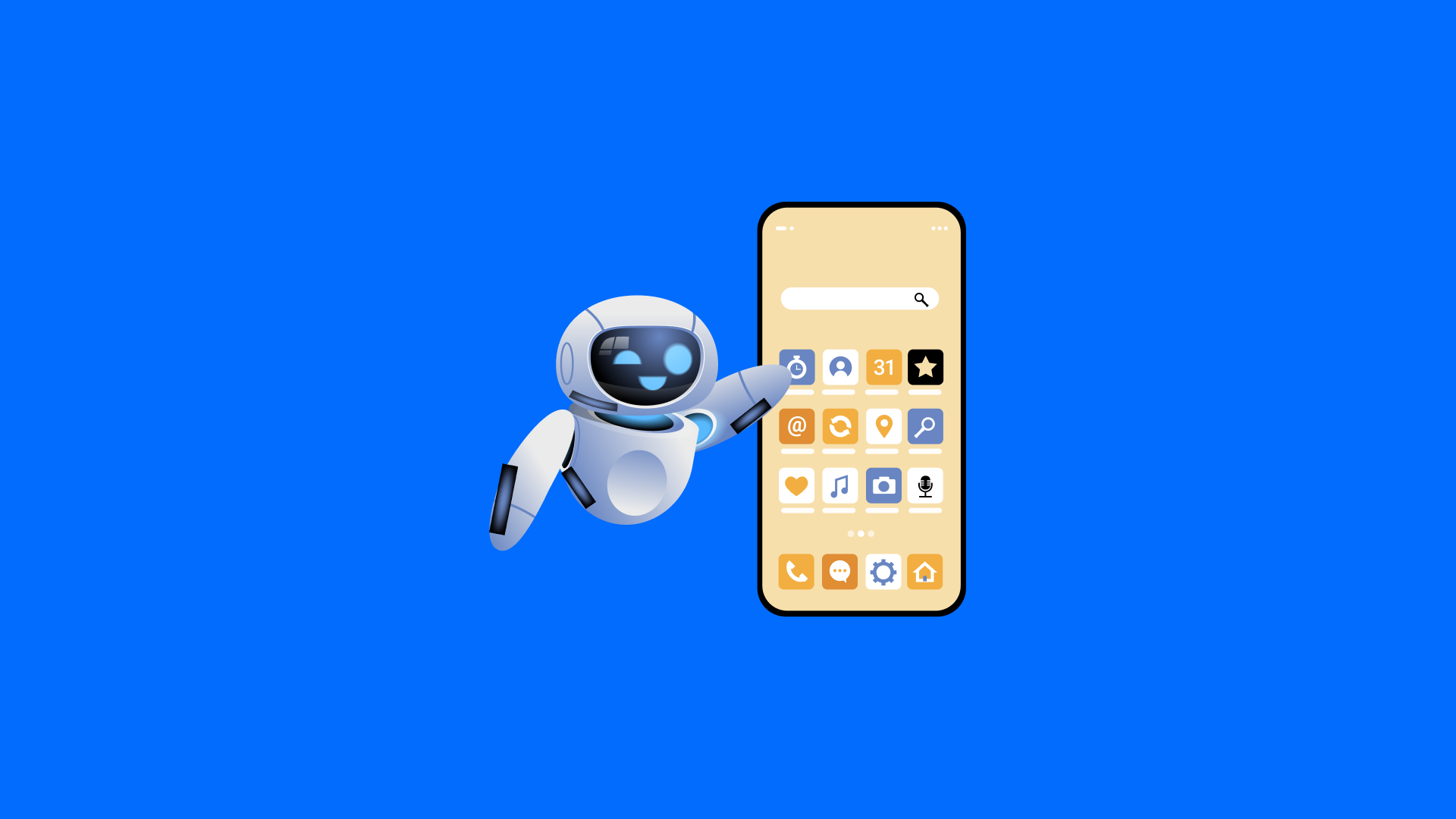
The landscape of application development is undergoing a profound transformation, fueled by the rise of no-code application builders. These platforms are designed to empower individuals, regardless of their technical expertise, to bring their app ideas to life. Imagine a world where the ability to create a fully functional mobile application or a dynamic website is no longer confined to seasoned programmers. This is the promise of no-code, and it's rapidly becoming a reality. These intuitive interfaces typically feature drag-and-drop functionality, pre-built templates, and visual scripting tools. Users can assemble the various components of their application or website without writing a single line of code. This significantly reduces the barrier to entry, allowing entrepreneurs, small business owners, and even hobbyists to participate in the digital economy. The rise of no-code platforms also addresses the growing demand for skilled developers, a persistent challenge for many organizations. By empowering citizen developers, businesses can accelerate their digital transformation initiatives and respond more quickly to evolving market needs.
Beyond the Code: The Power of Intelligent Design
The evolution extends beyond merely simplifying the coding process; it encompasses the entire design and development lifecycle. Sophisticated tools are emerging that leverage the power of machine learning to automate UI/UX design, generate code snippets, and conduct thorough testing procedures. This not only accelerates the development process but also ensures a higher level of quality and user-friendliness. Consider the impact on user interface (UI) design. Traditionally, UI design required specialized skills and a deep understanding of user behavior. Now, machine learning algorithms can analyze vast amounts of data to identify optimal layouts, color schemes, and interaction patterns. These insights can then be used to automatically generate UI designs that are both aesthetically pleasing and highly effective. Similarly, machine learning can be used to automate code generation. By analyzing design specifications and user requirements, these tools can generate code snippets that are tailored to specific platforms and programming languages. This can significantly reduce the amount of manual coding required, freeing up developers to focus on more complex tasks.
From Idea to App Store: A Streamlined Journey
The journey from initial concept to a fully published application on a digital marketplace has traditionally been a complex and often daunting one. However, innovative platforms are emerging that provide end-to-end support, guiding users through every stage of the process, from initial conceptualization and prototyping to coding, testing, and ultimately, publishing on app stores. These platforms often incorporate intelligent features that provide real-time feedback and guidance, helping users to avoid common pitfalls and optimize their applications for success. Consider the challenges involved in prototyping an application. Traditionally, this would require specialized design tools and a significant investment of time and effort. Now, platforms offer intuitive prototyping tools that allow users to quickly create interactive mockups of their applications, enabling them to test their ideas and gather feedback before committing to full-scale development. Furthermore, these platforms often provide integrated testing tools that automate the process of identifying and resolving bugs. This ensures that the final application is stable, reliable, and performs as expected.
Democratizing Innovation: The AI Revolution
Democratizing Innovation: AI for Everyone
The true power of this technological shift lies in its ability to democratize innovation, making it accessible to a wider range of individuals and organizations. This democratization is particularly significant for non-technical users, who can now leverage the power of intelligent tools to create applications and websites without having to learn complex programming languages or master intricate design principles. This opens up a world of possibilities for entrepreneurs, small business owners, educators, and anyone with a creative idea to share. Consider the impact on small businesses. Traditionally, developing a mobile application or a professional website would require hiring a team of developers, a costly and time-consuming process. Now, small business owners can use user-friendly platforms to create their own applications and websites, allowing them to reach new customers, streamline their operations, and compete more effectively in the digital marketplace.
The Future of App Creation: Trends and Predictions
Looking ahead, the future of application creation is poised to be shaped by a number of exciting trends. We can anticipate the rise of intelligent assistants that can guide users through the entire development process, generative models capable of creating entire applications from simple prompts, and increasingly sophisticated automation tools that will further streamline the development workflow. These advancements will continue to lower the barrier to entry, making application creation even more accessible and empowering individuals to bring their ideas to life with unprecedented ease and speed. Imagine a future where you can simply describe your app idea to an intelligent assistant, and it will automatically generate a fully functional prototype. Or a future where generative models can create entire applications from scratch, based on your specific requirements and preferences. These are just a few of the exciting possibilities that lie ahead.
Navigating the AI App Landscape: Key Considerations
As the intelligent application development landscape continues to evolve, it's important to consider the key factors that will determine success. These include choosing the right platform for your specific needs, understanding the limitations of intelligent tools, and focusing on creating a user experience that is both engaging and effective. Not all platforms are created equal. Some are better suited for creating simple mobile applications, while others are designed for building complex web applications. It's important to carefully evaluate your needs and choose a platform that offers the features and capabilities that you require. Furthermore, it's important to understand the limitations of intelligent tools. While these tools can automate many aspects of the development process, they are not a substitute for human creativity and judgment. It's important to use these tools as a complement to your own skills and experience, and to always prioritize the user experience.
Choosing the Right AI Tools and Platforms
Evaluating AI App Builders: A Comparative Overview
Selecting the appropriate intelligent application builder is a crucial decision that hinges on a variety of factors, including the complexity of your project, your technical proficiency, and your budget. A comparative analysis of available platforms can help you make an informed choice. Some platforms are designed for beginners and offer a simple, drag-and-drop interface, while others are geared towards more experienced developers and offer a wider range of features and customization options. It's important to carefully evaluate your needs and choose a platform that aligns with your skill level and the requirements of your project. Consider factors such as the availability of templates, the ease of use of the interface, the level of customization offered, and the pricing structure. Many platforms offer free trials or limited free versions, allowing you to test the platform before committing to a paid subscription.
Understanding the Capabilities and Limitations
While intelligent tools offer numerous benefits, it's important to have a clear understanding of their capabilities and limitations. These tools are designed to automate certain tasks and streamline the development process, but they are not a substitute for human creativity, critical thinking, and problem-solving skills. It's important to use these tools as a complement to your own skills and experience, and to always prioritize the user experience. For example, intelligent design tools can help you create visually appealing interfaces, but they cannot replace the need for a deep understanding of user behavior and design principles. Similarly, intelligent coding tools can generate code snippets, but they cannot replace the need for a skilled developer to review and optimize the code.
The Future is Now: Embracing the Change
The rise of intelligent application builders represents a significant shift in the way applications are created. By democratizing access to technology and empowering individuals to bring their ideas to life, these platforms are fueling innovation and driving economic growth. As these tools continue to evolve and become more sophisticated, we can expect to see even more exciting developments in the years to come. Now is the time to embrace this change and explore the possibilities that intelligent application builders offer. Whether you're an entrepreneur, a small business owner, or simply someone with a creative idea, these tools can help you turn your vision into a reality.