
Understanding the Role of Licensed Practical Nurses
What Do LPNs Do?
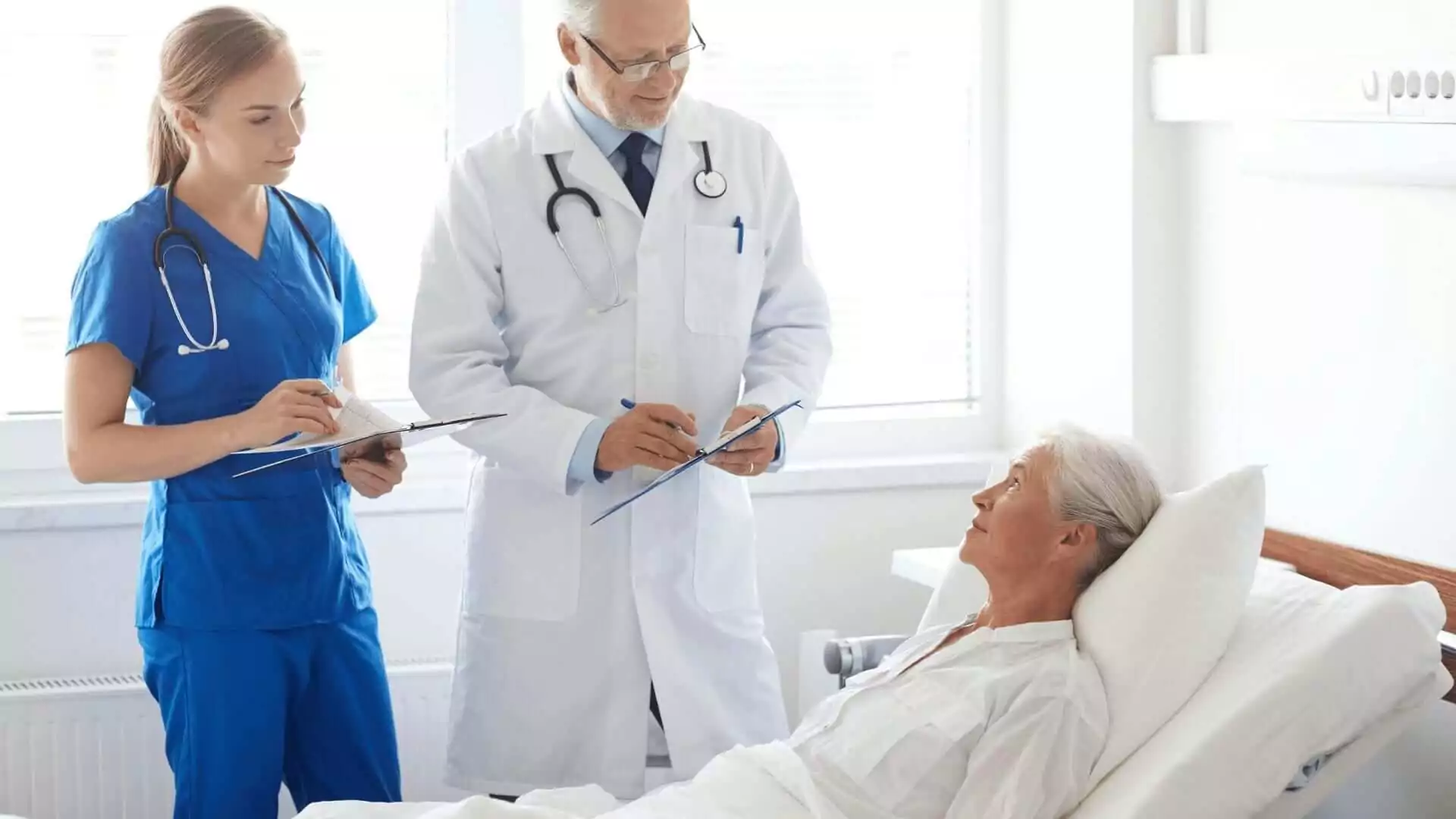
Licensed Practical Nurses are healthcare professionals who provide basic medical care. Their duties typically include monitoring patients' health by checking vital signs, administering medication, assisting with personal hygiene, and reporting patients' conditions to RNs and doctors. LPNs work in various settings such as hospitals, nursing homes, clinics, and private homes. They are often responsible for providing emotional support to patients and their families, ensuring that patients feel comfortable and informed about their care.
The Importance of LPNs in Healthcare
LPNs are crucial in bridging the gap between patients and higher-level medical staff. They ensure that patient care is continuous and comprehensive, often serving as the primary point of interaction for patients. Their role is indispensable in maintaining the efficiency of healthcare facilities, allowing RNs and doctors to focus on more complex tasks. LPNs contribute to the holistic care of patients by addressing not only physical health needs but also emotional and psychological well-being.
Skills and Qualities of a Successful LPN
Successful LPNs possess a combination of technical skills and personal qualities. They must be detail-oriented, have strong communication skills, and be capable of working well under pressure. Empathy and patience are essential, as LPNs often deal with patients who are in pain or distress. Additionally, they must be adept at problem-solving and critical thinking, enabling them to respond effectively to emergencies or unexpected changes in a patient's condition.
Educational Pathways for LPNs
Traditional vs. Online LPN Programs
Aspiring LPNs can choose between traditional classroom-based programs and online learning options. Traditional programs offer hands-on experience in clinical settings, while online programs provide flexibility, allowing students to balance studies with personal commitments. Online LPN programs often include virtual simulations and require in-person clinical practice sessions to ensure comprehensive training. Both pathways prepare students for the NCLEX-PN exam, which is required for licensure.
Free and Paid LPN Training Options
Various training programs are available for prospective LPNs, including free and paid options. Some healthcare facilities offer paid LPN training as part of employment contracts, which can be an attractive option for those looking to gain experience while studying. Free LPN classes are sometimes available through government grants or community colleges, offering a cost-effective way to enter the nursing field. These programs often have prerequisites, such as a high school diploma or GED, and may require entrance exams or interviews.
Part-Time and Flexible Learning Opportunities
For those balancing work or family commitments, part-time access courses and flexible online LPN programs offer an excellent opportunity to pursue a nursing career. These programs allow students to progress at their own pace, making it easier to manage other responsibilities while obtaining the necessary qualifications. Flexible learning options can be particularly beneficial for those who need to maintain employment while studying, providing a pathway to a new career without significant disruptions to their current lifestyle.
Career Opportunities for LPNs
Traditional Jobs for LPNs
LPNs have a wide range of job opportunities in the healthcare sector. Common positions include working in hospitals, nursing homes, clinics, and rehabilitation centers. In these settings, LPNs perform essential tasks that support patient care, contribute to treatment plans, and assist in medical procedures. They may also be involved in patient education, helping individuals and families understand treatment plans and how to manage health conditions at home.
Alternative Jobs for LPNs
Beyond traditional roles, LPNs can explore alternative career paths that utilize their skills in diverse environments. These include roles in home healthcare, where LPNs provide personalized care to patients in their homes, and positions in occupational health, where they assist in workplace wellness programs. Additionally, LPNs can work in educational institutions, assisting with training and supervising nursing students. Some LPNs may choose to work in community health settings, providing care and education to underserved populations.
Advancing Your LPN Career
LPNs seeking career advancement can pursue further education and training to become Registered Nurses (RNs) or specialize in areas such as gerontology or pediatric care. Scholarships, such as Business Masters and Business Administration Scholarships, can support LPNs in expanding their qualifications and transitioning into administrative roles within healthcare settings. Advanced certifications, such as IV therapy or wound care, can also enhance an LPN's skills and job prospects.
The Intersection of Business and Healthcare
For LPNs interested in the administrative side of healthcare, pursuing business education can open doors to leadership roles. Business Masters Scholarships and Business Administration Scholarships can provide financial assistance to LPNs looking to earn degrees that combine healthcare knowledge with business acumen. This intersection offers opportunities in healthcare management, policy development, and consulting, allowing LPNs to influence broader healthcare practices and improve patient outcomes.
The Future of LPNs in Healthcare
The Growing Demand for LPNs
The demand for LPNs is expected to grow due to an aging population and increased healthcare needs. LPNs will continue to play a crucial role in providing quality care and supporting the healthcare system's efficiency. This growing demand presents numerous opportunities for LPNs to secure stable and rewarding careers in various healthcare settings. As healthcare facilities expand and diversify services, LPNs will be needed to support new programs and initiatives.
Technological Advancements and LPNs
Advancements in medical technology are transforming the role of LPNs, enabling them to utilize electronic health records, telemedicine, and other digital tools to enhance patient care. LPNs must stay informed about technological developments and seek continuous professional development to remain competitive in the evolving healthcare landscape. Embracing technology can improve efficiency, accuracy, and patient satisfaction, positioning LPNs as valuable assets in tech-driven healthcare environments.
LPNs and Interdisciplinary Collaboration
LPNs are increasingly involved in interdisciplinary teams, working alongside doctors, RNs, therapists, and social workers to deliver comprehensive patient care. This collaborative approach enhances the quality of care and ensures that all aspects of a patient's health are addressed. LPNs play a key role in facilitating communication and coordination among team members, contributing to more effective and personalized care plans. Their insights and observations are crucial for developing holistic treatment strategies.
Adapting to Changing Healthcare Policies
As healthcare policies evolve, LPNs must adapt to changes that may affect their practice. This includes understanding new regulations, participating in training to meet updated standards, and advocating for patient rights and quality care. Staying informed about policy changes ensures that LPNs can provide compliant and effective care, positioning them as informed and proactive healthcare providers.
Frequently Asked Questions (QA)
Question 1: What qualifications are needed to become an LPN?
Answer: To become an LPN, one must complete a state-approved practical nursing program and pass the National Council Licensure Examination for Practical Nurses (NCLEX-PN). Some programs may require prerequisites such as biology or anatomy courses.
Question 2: Can LPNs work in specialized medical fields?
Answer: Yes, LPNs can work in specialized fields such as pediatrics, geriatrics, and rehabilitation. Additional training and certifications may be required for certain specialties, allowing LPNs to provide more focused and expert care.
Question 3: How do online LPN programs ensure practical training?
Answer: Online LPN programs typically combine virtual coursework with in-person clinical placements at healthcare facilities to ensure students gain hands-on experience. These placements are essential for developing practical skills and applying theoretical knowledge in real-world settings.
Question 4: Are there scholarships available for LPNs seeking further education?
Answer: Yes, various scholarships, including Business Masters and Business Administration Scholarships, are available to support LPNs pursuing advanced education and career growth. These financial aids can help offset the cost of further education, making it more accessible for LPNs to expand their skills and career opportunities.
Question 5: What are the career advancement options for LPNs?
Answer: LPNs can advance their careers by becoming RNs, specializing in specific medical fields, or moving into administrative roles within healthcare organizations. Continuing education and obtaining advanced certifications can also enhance their professional development and open doors to higher-level positions.
Licensed Practical Nurses are integral to the healthcare industry, providing essential care and support to patients across various settings. With numerous educational pathways and career opportunities available, LPNs can enjoy a rewarding profession with opportunities for advancement. As the healthcare landscape continues to evolve, LPNs will remain vital in delivering quality care and ensuring the efficiency of healthcare services. Their adaptability, compassion, and dedication make them indispensable members of the healthcare team.