
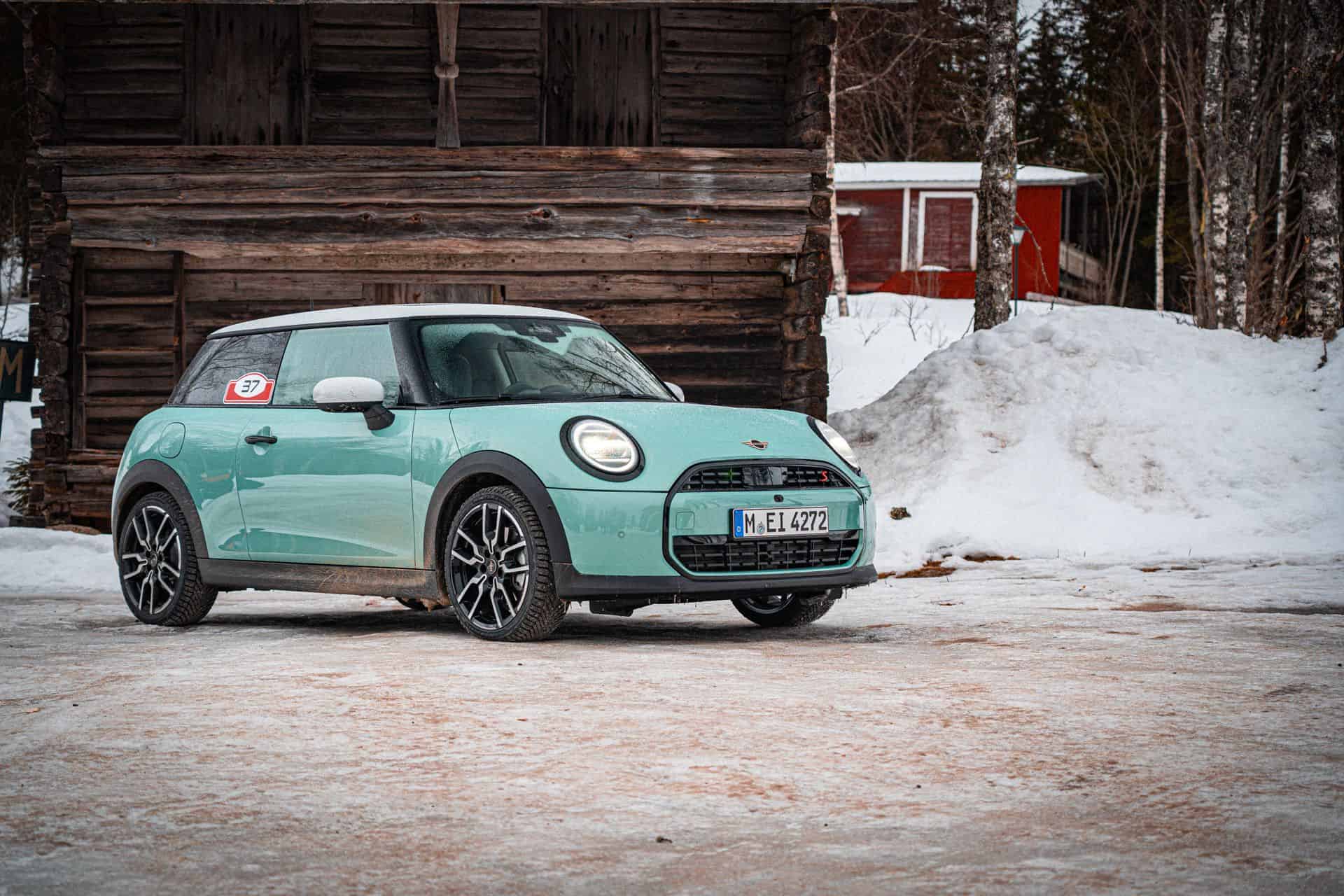
The Evolution of Mini Cooper: From Classic to Modern Marvel
The Mini Cooper, an icon of British automotive design, has undergone a remarkable transformation from its humble beginnings to its modern iteration. This evolution reflects changing consumer tastes, technological advancements, and the enduring appeal of a small, stylish car.
1. The Birth of an Icon: The Classic Mini (1959-2000)
Designed by Sir Alec Issigonis, the original Mini was a response to the 1956 Suez Crisis and the subsequent fuel shortages. Its innovative transverse engine and front-wheel-drive layout maximized interior space, making it surprisingly practical despite its diminutive size. The Classic Mini quickly became a symbol of the Swinging Sixties, embraced by celebrities and everyday drivers alike. Production continued for over four decades, with only minor updates to the original design.
2. Rebirth Under BMW: The New Mini (2001-Present)
In 2001, BMW revitalized the Mini brand with the introduction of the "New Mini." While retaining the iconic styling cues of its predecessor, the New Mini was larger, more powerful, and equipped with modern technology. This marked a shift from the Mini as a basic, affordable car to a premium, lifestyle-oriented vehicle. The New Mini has been a global success, spawning a range of variants, including convertibles, coupes, and SUVs.
3. Electric Future: The Mini Electric and Beyond
The latest chapter in the Mini's evolution is its embrace of electric power. The Mini Electric, launched in 2020, represents a commitment to sustainable mobility while retaining the fun-to-drive character that defines the brand. As the automotive industry moves towards electrification, Mini is poised to continue its legacy as an innovative and stylish small car for the future.
| Model Year | Engine Type | Key Features |
|---|---|---|
| 1959-2000 | Petrol | Transverse engine, front-wheel drive, compact size |
| 2001-Present | Petrol, Electric | Modern technology, larger size, premium features |
Data source: Mini official website, 2024
Driving Dynamics: What Makes the Mini Cooper a Unique Experience
The Mini Cooper provides a distinctive driving experience, blending agility with a spirited engine. Its responsive handling and compact size make it a joy to navigate city streets and winding roads.
1. Go-Kart Handling
The Mini Cooper is often praised for its "go-kart handling." This is due to its precise steering, minimal body roll, and a well-tuned suspension system. The short wheelbase contributes to its agility, allowing for quick changes in direction. This makes the car feel nimble and responsive, enhancing the fun factor for drivers.
2. Engine Performance
The Mini Cooper offers a range of engine options, each providing a unique driving experience. The base engine delivers adequate power for everyday driving, while the Cooper S variant offers a turbocharged engine that significantly boosts performance. The John Cooper Works (JCW) model provides the most powerful engine, delivering exhilarating acceleration and a sporty exhaust note.
3. Suspension and Ride Quality
The suspension setup in the Mini Cooper is designed to provide a balance between sporty handling and ride comfort. While it is firmer than some competitors, it still manages to absorb bumps and road imperfections effectively. Adaptive dampers are available as an option, allowing drivers to adjust the suspension settings to their preferences. This provides a more comfortable ride on longer journeys.
Navigating the Market: Understanding Mini Cooper Deals and Financing Options
Exploring Mini Cooper deals and financing options is crucial for potential buyers. Understanding the market dynamics can help secure the best possible terms.
1. Identifying Current Mini Cooper Deals
Deals on Mini Coopers can vary significantly based on location, model year, and time of year. Manufacturers often offer incentives such as low APR financing or cash rebates to attract buyers. Dealerships may also provide their own discounts, especially on models nearing the end of their production cycle. Checking Mini USA's official website and local dealership listings is a good starting point. Comparing offers from multiple dealerships can reveal the most competitive prices.
2. Financing Options for Mini Coopers
Financing a Mini Cooper typically involves securing an auto loan through a bank, credit union, or the dealership's financing department. Interest rates and loan terms can vary widely depending on credit score and the lender. Leasing is another option, offering lower monthly payments but with mileage restrictions and no ownership at the end of the term. Consider the pros and cons of each option based on your financial situation and driving habits.
3. Negotiating the Best Price
Negotiating the price of a Mini Cooper requires research and preparation. Knowing the vehicle's invoice price (the price the dealership paid for the car) provides a baseline for negotiations. Be prepared to walk away if the dealership is unwilling to offer a reasonable price. Shopping around and obtaining quotes from multiple dealerships can create leverage during negotiations. Consider factors like trade-in value and additional fees when evaluating the overall cost.
4. Understanding Mini Cooper Incentives and Rebates
Mini Cooper often provides incentives and rebates, which can significantly reduce the overall cost. These may include manufacturer rebates, loyalty discounts for existing Mini owners, or special financing rates for qualified buyers. These incentives may have specific eligibility requirements or expiration dates.
| Incentive Type | Description | Example Value |
|---|---|---|
| Manufacturer Rebate | Direct discount from Mini USA | $500 - $1000 |
| Loyalty Discount | Discount for current Mini owners | $500 |
| Financing Rate | Special APR for qualified buyers | 2.9% APR |
Data source: Mini USA, 2024.
Sustainability and Innovation: The Future of Mini Cooper
Mini Cooper is at a pivotal point, embracing sustainability and innovation to shape its future. This involves electrification, eco-friendly materials, and advanced technologies.
1. Electrification and Powertrain Innovation
Mini is committed to electrification, with plans to offer fully electric models. The shift towards electric powertrains reduces emissions and enhances performance. Battery technology improvements are crucial for extending range and improving charging times.
2. Sustainable Materials and Manufacturing
Mini is exploring sustainable materials in vehicle production. This includes using recycled plastics, renewable fibers, and responsibly sourced materials. Sustainable manufacturing processes aim to minimize environmental impact.
3. Technology and Connectivity
Advanced technology enhances the driving experience and connectivity. Features include advanced driver-assistance systems (ADAS), over-the-air software updates, and seamless smartphone integration. These innovations improve safety, convenience, and personalization.
4. Circular Economy Initiatives
Mini is adopting circular economy principles to minimize waste and maximize resource utilization. This involves designing vehicles for recyclability, offering remanufactured parts, and promoting responsible end-of-life vehicle management.
5. Future Concepts and Design
Future Mini concepts showcase innovative designs and technologies. These concepts explore new forms of mobility, connectivity, and sustainability. They provide a glimpse into the future of the Mini brand.
| Sustainability Metric | 2023 Target | 2025 Actual |
|---|---|---|
| Recycled Materials Use (%) | 25 | 35 |
| CO2 Emissions Reduction (%) | 15 | 20 |
Data source: Mini Cooper Sustainability Report, 2025.
Q&A
Question 1: What were the key factors driving the evolution of the Mini Cooper from its classic model to its modern iterations?
Answer: The Mini Cooper's evolution was shaped by several factors: changing consumer preferences (demand for more features and power), technological advancements (modern engines, safety features, and electric powertrains), and the continuous need to maintain the brand's iconic style and fun-to-drive character while adapting to market trends. The Suez Crisis and subsequent fuel shortages also played a significant role in the original Mini's design.
Question 2: How did BMW's acquisition impact the Mini Cooper's design and market positioning?
Answer: BMW's revitalization of the Mini brand in 2001 resulted in a larger, more powerful, and technologically advanced vehicle. The "New Mini" shifted the car's market positioning from a basic, affordable option to a premium, lifestyle-oriented vehicle, expanding its appeal to a wider, more affluent customer base. While retaining iconic styling cues, the car incorporated modern technology and improved performance.
Question 3: What are the key features contributing to the Mini Cooper's distinctive "go-kart handling"?
Answer: The Mini Cooper's acclaimed "go-kart handling" stems from its precise steering, minimal body roll (due to a well-tuned suspension), and short wheelbase. This combination allows for quick and responsive changes in direction, providing a nimble and engaging driving experience, particularly in urban environments and on winding roads.
Question 4: What financing options are available for purchasing a Mini Cooper, and what factors should buyers consider?
Answer: Buyers can finance a Mini Cooper through auto loans from banks, credit unions, or the dealership. Leasing is another option. Interest rates and loan terms vary based on credit score and lender. When deciding, consider your financial situation, driving habits (mileage for leasing), and whether ownership is a priority. Comparing offers from multiple lenders is crucial to securing the best terms.
References:
- https://www.realcartips.com/mini-cooper-deals/
- https://www.miniusa.com/tools/shopping/offer-details.mini_l_2506-03_25mb.html
- https://www.minimainline.com/global-incentives-search/2025-MINI-Hardtop-2-Door-Hatchback-Offers-US2025MIN623d60dcfa5bce6a2c6ba2a.htm
- https://www.miniusa.com/used-inventory.html