
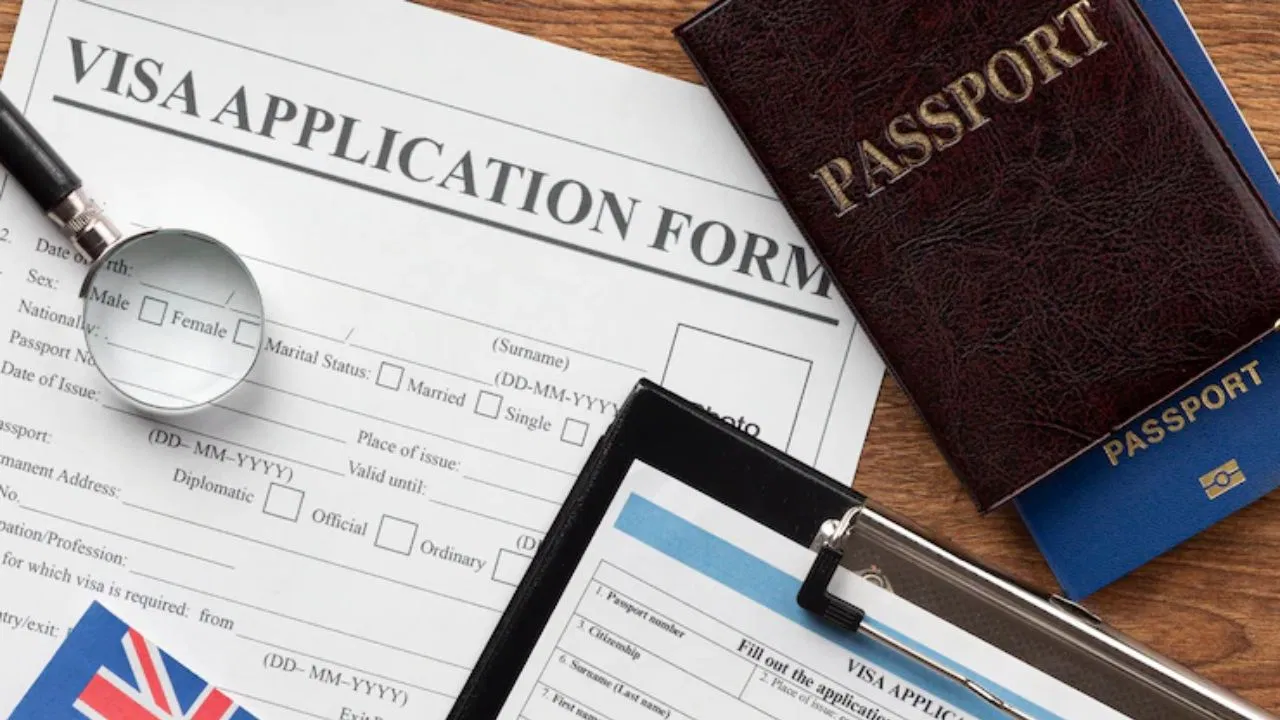
What is a Work Visa and Why is it Important?
A work visa is an official document or permit that allows an individual to enter and work in a foreign country legally. For Pakistanis looking for overseas employment, understanding the work visa application process is essential to ensure a smooth journey toward achieving their career goals.
Why Do You Need a Work Visa?
-
Legal Employment: A work visa ensures that you can work legally in the host country without facing penalties.
-
Access to Benefits: Many countries offer benefits like healthcare, insurance, and retirement plans to individuals with valid employment visas.
-
Career Growth: A work visa provides access to international job opportunities, allowing you to gain global experience and enhance your skills.
Types of Work Visas
Work visas vary depending on the type of job, duration, and country. Common categories include:
-
Skilled Worker Visas: For individuals with specialized skills in high-demand industries.
-
Temporary Work Visas: For short-term employment opportunities.
-
Visa Sponsorship Jobs: Where employers sponsor your visa application.
Work Visa Opportunities
1. USA Work Visas
The United States offers various work visa categories tailored to different skill levels and industries.
-
H-1B Visa: For skilled professionals in fields like IT, engineering, and healthcare.
-
L-1 Visa: For intra-company transferees.
-
O-1 Visa: For individuals with extraordinary abilities in arts, sciences, or athletics.
Eligibility Requirements:
-
Job offer from a U.S.-based employer.
-
Approval from the U.S. Citizenship and Immigration Services (USCIS).
-
Meeting educational and professional qualifications.
2. UK Work Visas
The United Kingdom has introduced a points-based immigration system aimed at attracting skilled workers.
-
Skilled Worker Visa: For individuals with a job offer in the UK and meeting skill and salary thresholds.
-
Global Talent Visa: For highly skilled individuals in fields like science and digital technology.
-
Temporary Worker Visa: For short-term employment in sectors like agriculture and charity work.
Eligibility Requirements:
-
Sponsorship from a UK employer.
-
Meeting the required English language proficiency.
-
Job offer in a high-demand sector.
3. Canada Work Visas
Canada is known for its welcoming immigration policies and numerous work visa options.
-
Temporary Foreign Worker Program (TFWP): For individuals with a job offer in Canada.
-
Global Talent Stream (GTS): For tech professionals in high-demand roles.
-
Work Permit under Express Entry: For skilled workers applying for permanent residence.
Eligibility Requirements:
-
A positive Labour Market Impact Assessment (LMIA) from the employer.
-
Proof of qualifications and experience.
-
Meeting health and security requirements.
4. Australia Work Visas
Australia offers diverse work visa options, catering to skilled professionals, entrepreneurs, and temporary workers.
-
Skilled Independent Visa (Subclass 189): For highly skilled individuals without employer sponsorship.
-
Temporary Skill Shortage Visa (Subclass 482): For workers sponsored by an Australian employer.
-
Employer Nomination Scheme (Subclass 186): For permanent employment.
Eligibility Requirements:
-
Job offer in a high-demand occupation.
-
Skills assessment and English language proficiency.
-
Meeting health and character requirements.
Steps to Apply for a Work Visa
Applying for a work visa involves multiple steps, and understanding the process can save time and effort.
1. Research Employment Visa Requirements
Each country has specific criteria and documentation requirements. For example, the USA may require an approved H-1B petition, while the UK mandates an employer sponsorship certificate.
2. Secure a Job Offer
-
Look for visa sponsorship jobs through online portals, recruitment agencies, or company websites.
-
Ensure the employer is authorized to sponsor work visas.
3. Gather Necessary Documents
Common documents include:
-
Valid passport.
-
Job offer letter or employment contract.
-
Educational certificates and work experience proof.
-
Medical and police clearance certificates.
4. Submit the Work Visa Application
-
Complete the visa application form for the respective country.
-
Pay the processing fees and schedule a visa interview if required.
5. Attend the Visa Interview
Prepare well for the interview by understanding the job role, employer details, and your qualifications.
6. Wait for Approval
Once the application is processed, you will receive your visa approval or denial.
Comparison of Work Visa Requirements
Key Differences in Visa Requirements for Popular Destinations
|
Country
|
Required Job Offer
|
Language Proficiency
|
Skills Assessment
|
Visa Sponsorship
|
|
USA
|
Yes
|
No
|
No
|
Yes
|
|
UK
|
Yes
|
Yes
|
No
|
Yes
|
|
Canada
|
Yes
|
Sometimes
|
Yes
|
Yes
|
|
Australia
|
Yes
|
Yes
|
Yes
|
Yes
|
(Source: Government websites of respective countries)
Benefits of Overseas Employment
1. Higher Income Potential
Countries like the USA, UK, Canada, and Australia offer higher salaries compared to Pakistan, especially in high-demand industries.
2. Skill Enhancement
Working abroad allows professionals to gain exposure to advanced technologies and practices, improving their skill set.
3. Improved Quality of Life
Access to better healthcare, education, and social benefits are major advantages of working overseas.
4. Career Growth
International work experience enhances your resume, opening doors to better opportunities globally.
Emerging Trends in Work Visa Opportunities
1. Remote Work Visas
With the rise of remote work, some countries now offer visas for professionals working for foreign employers from within their borders.
2. Focus on Skilled Workers
Countries are increasingly prioritizing skilled workers in fields like technology, healthcare, and engineering.
3. Digital Nomad Visas
Special visas for freelancers and self-employed individuals are becoming popular, allowing them to work remotely while living abroad.
4. Automation in Visa Processing
Many countries are adopting digital platforms to streamline the visa application process, making it faster and more efficient.
FAQ:
1. How long does it take to get a work visa?
Processing times vary by country, ranging from a few weeks to several months.
2. Can I apply for a work visa without a job offer?
Some visas, like Australia’s Skilled Independent Visa, do not require a job offer. However, most work visas do.
3. What is a visa sponsorship job?
A visa sponsorship job is one where the employer agrees to sponsor your work visa application, covering some or all associated costs.
4. Can I bring my family with me on a work visa?
Many work visas allow family members to accompany the applicant, but additional documentation may be required.
5. Is it possible to switch jobs on a work visa?
This depends on the visa type and country. Some visas are tied to a specific employer, while others offer flexibility.
A work visa serves as a gateway to global career opportunities, enabling skilled workers from Pakistan to thrive in international job markets. By understanding the requirements and processes for countries like the USA, UK, Canada, and Australia, aspiring professionals can take a confident step toward their dream careers. With the right preparation, you can unlock a world of possibilities and build a brighter future.