
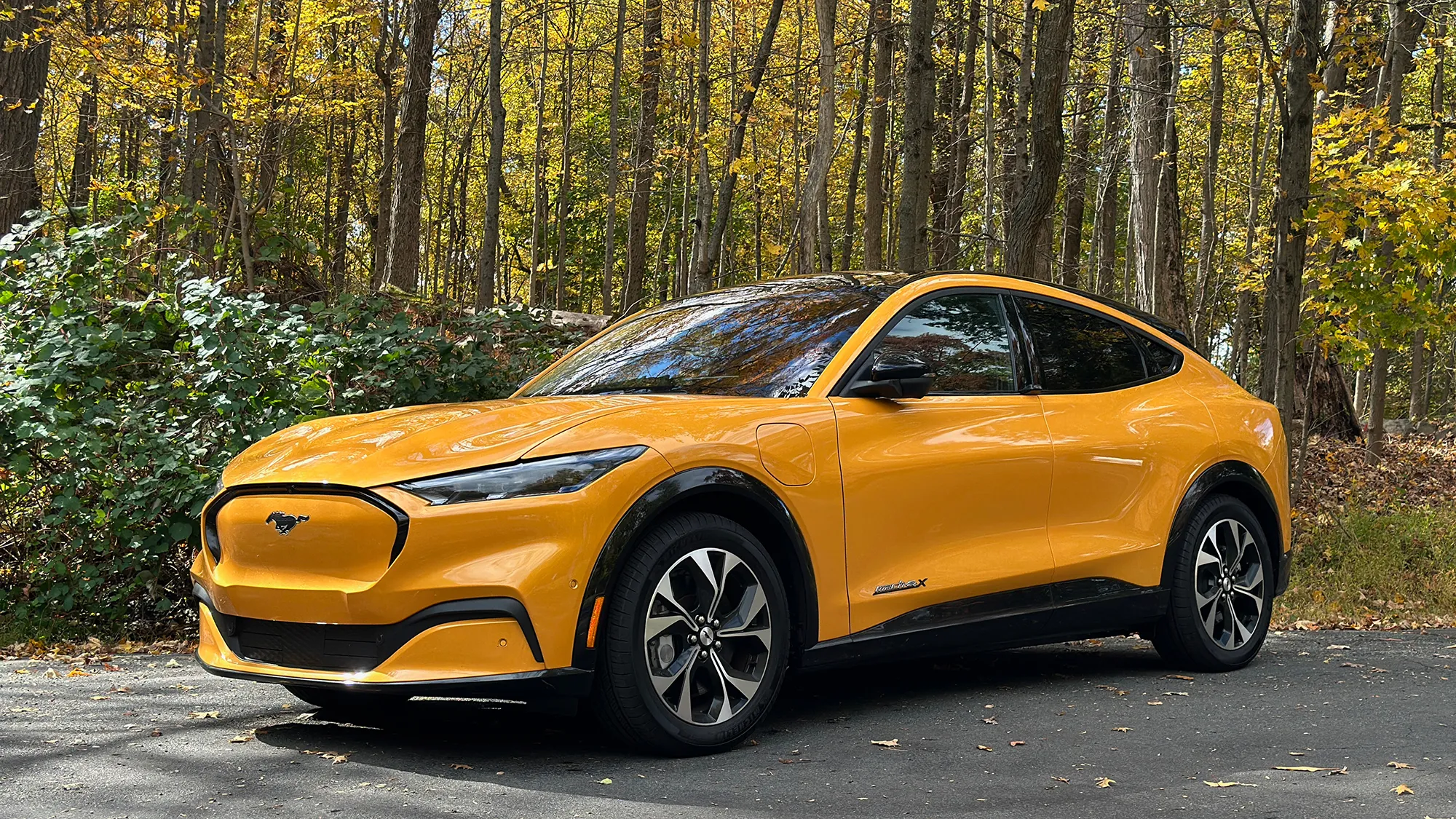
Understanding the Basics of Electric Vehicles
Electric vehicles (EVs) are automobiles powered by electric motors rather than internal combustion engines. They use electricity stored in batteries to operate, which eliminates the need for gasoline and reduces emissions. This section will explore the fundamental components of EVs and their advantages over traditional vehicles.
Components of Electric Vehicles
Electric vehicles consist of several key components that differentiate them from conventional cars:
- Battery Pack: The heart of an EV, storing electrical energy used by the motor. Modern battery packs are designed for longevity, efficiency, and safety, with advancements in lithium-ion technology enabling higher energy density and faster charging capabilities.
- Electric Motor: Converts electrical energy into mechanical energy to drive the vehicle. Unlike internal combustion engines, electric motors provide instant torque, resulting in smooth and responsive acceleration.
- Charging Port: Allows the vehicle to connect to an external power source for recharging. The design and compatibility of charging ports vary, with standards like CCS (Combined Charging System) and CHAdeMO catering to different markets.
- Inverter: Converts direct current (DC) from the battery into alternating current (AC) for the motor. This component plays a critical role in ensuring efficient energy transfer and optimal motor performance.
- Regenerative Braking System: Recovers energy during braking and stores it back in the battery. This innovative system not only extends the vehicle's range but also enhances braking performance and reduces wear on traditional brake components.
Advantages of Electric Vehicles
- Environmental Benefits: Zero tailpipe emissions significantly reduce air pollution, contributing to improved public health and a cleaner environment. Additionally, the production of electricity for EVs is increasingly powered by renewable energy sources, further reducing the overall carbon footprint.
- Cost Savings: Lower fuel costs and reduced maintenance expenses make EVs economical in the long run. Unlike traditional vehicles, EVs have fewer moving parts, resulting in lower wear and tear and fewer routine maintenance requirements.
- Performance: Instant torque delivery provides smooth acceleration and a quiet driving experience, offering a superior driving experience compared to conventional vehicles.
- Energy Efficiency: Electric motors are more efficient than internal combustion engines, converting a higher percentage of stored energy into motion. This efficiency translates to longer ranges and reduced energy consumption.
Affordable Electric Car Options
As demand for electric cars grows, manufacturers are offering more budget-friendly models without compromising on quality or performance. This section highlights some popular affordable electric cars available in the market.
Top Affordable Electric Cars
-
Nissan Leaf
- Range: Approximately 149 miles
- Price: Starting at $31,620
- Features: Spacious interior, advanced safety features, and a proven track record in the EV market. The Nissan Leaf is often regarded as one of the pioneers of the affordable EV segment, offering reliability and practicality for everyday use.
-
Chevrolet Bolt EV
- Range: Approximately 259 miles
- Price: Starting at $31,995
- Features: Long range, quick acceleration, and a well-designed interior. The Bolt EV is a favorite among commuters and urban drivers, offering a seamless blend of performance and practicality.
-
Hyundai Kona Electric
- Range: Approximately 258 miles
- Price: Starting at $34,000
- Features: Compact design, high-tech infotainment system, and a premium feel. The Kona Electric is a strong contender in the affordable EV market, offering a refined driving experience and advanced connectivity features.
-
Mini Cooper SE
- Range: Approximately 110 miles
- Price: Starting at $29,900
- Features: Iconic design, agile handling, and a fun-to-drive character. The Mini Cooper SE combines classic styling with modern EV technology, appealing to drivers who value uniqueness and performance.
-
Tesla Model 3
- Range: Approximately 263 miles
- Price: Starting at $39,990
- Features: Autopilot capabilities, sleek design, and a premium interior. The Tesla Model 3 is a benchmark in the EV market, offering cutting-edge technology and a luxurious driving experience.
| Model | Range (miles) | Starting Price | Key Features |
| Nissan Leaf | 149 | $31,620 | Spacious interior |
| Chevrolet Bolt EV | 259 | $31,995 | Long range |
| Hyundai Kona | 258 | $34,000 | High-tech infotainment |
| Mini Cooper SE | 110 | $29,900 | Iconic design |
| Tesla Model 3 | 263 | $39,990 | Autopilot capabilities |
Data Source: Manufacturer websites and industry reports.
Considerations When Choosing an Affordable Electric Car
- Range Requirements: Assess your daily driving needs to choose a car with sufficient range. For example, if you frequently travel long distances, a vehicle with a longer range such as the Chevrolet Bolt EV or Hyundai Kona Electric may be more suitable.
- Charging Infrastructure: Consider availability of charging stations near your residence or workplace. Areas with limited charging options may require a vehicle with a longer range or more flexible charging capabilities.
- Budget Constraints: Evaluate total cost of ownership including purchase price, potential incentives, and long-term savings on fuel and maintenance. Government incentives such as tax credits or rebates can significantly reduce the upfront cost of an EV.
- Features and Amenities: Determine which features are essential for your comfort and convenience. Consider factors such as interior space, technology integration, and safety features when making your decision.
Charging Infrastructure for Commercial Use
The rise in electric vehicle adoption necessitates robust charging infrastructure to support both personal and commercial use. This section explores commercial electric car charging points installation and its importance.
Types of Charging Stations
-
Level 1 Chargers
- Voltage/Power Output: 120V/1.4 kW
- Charging Time: Slow (overnight charging)
- Ideal for vehicles with small battery capacities or for occasional use. Level 1 chargers are often included with the purchase of an EV and can be easily installed in a standard household outlet.
-
Level 2 Chargers
- Voltage/Power Output: 240V/7 kW
- Charging Time: Moderate (few hours)
- The most common type of charging station for personal and commercial use. Level 2 chargers are faster than Level 1 and are suitable for daily charging needs, especially in multi-unit residential buildings or commercial parking lots.
-
DC Fast Chargers
- Voltage/Power Output: Up to 480V/50 kW or more
- Charging Time: Rapid (30 minutes or less)
- Designed for quick charging on the go, DC fast chargers are essential for long-distance travel and are typically found at highway rest stops, shopping centers, and other high-traffic locations.
Benefits of Installing Commercial Charging Points
- Attracts Customers or Tenants Interested in Sustainability: Properties with EV charging stations appeal to environmentally conscious individuals and businesses, enhancing their marketability and appeal.
- Increases Property Value with Modern Amenities: The installation of commercial charging points can enhance the value of a property, making it more attractive to potential buyers or renters.
- Supports Corporate Sustainability Goals by Reducing Carbon Footprint: Businesses can demonstrate their commitment to sustainability by providing EV charging infrastructure, aligning with broader corporate social responsibility objectives.
Challenges in Installing Commercial Charging Points
- Initial Setup Costs Can Be High: The installation of commercial charging stations requires significant upfront investment, including costs for equipment, installation, and electrical upgrades.
- Requires Space Allocation in Parking Areas: Commercial charging points need dedicated space, which may be a challenge in densely populated urban areas or facilities with limited parking space.
- Needs Regular Maintenance for Optimal Performance: Charging stations require regular maintenance to ensure reliable operation and optimal performance, adding to the ongoing costs of ownership.
Electric Cars Tailored for Seniors
Electric cars offer unique advantages for senior drivers seeking comfort and ease of use. This section discusses features that make electric vehicles ideal for seniors.
Features Beneficial for Seniors
- Ease of Entry and Exit: Higher seating positions facilitate easier access, reducing the physical strain associated with entering and exiting a vehicle. This feature is particularly beneficial for seniors with mobility challenges.
- Simplified Controls: Intuitive interfaces reduce complexity, making it easier for older drivers to navigate advanced features such as navigation systems, infotainment, and climate control.
- Quiet Operation: Minimizes noise-related stress while driving, creating a more relaxed and enjoyable driving experience.
- Advanced Safety Systems: Includes features like automatic emergency braking, lane-keeping assist, and adaptive cruise control, which can enhance safety and confidence on the road.
Recommended Models for Seniors
- Hyundai Ioniq Electric: Known for its comfortable ride quality and user-friendly interface, the Ioniq Electric is an excellent choice for seniors seeking a reliable and stress-free driving experience.
- Kia Soul EV: Offers spacious interior with user-friendly controls, making it an ideal option for older drivers who value comfort and ease of use.
- Ford Mustang Mach-E: Combines style with advanced safety features, providing seniors with a modern and secure driving experience.
Q&A Section
Q1: How long does it take to charge an electric car?
A1: Charging time depends on the type of charger used:
- Level 1 Charger can take up to 12 hours or more.
- Level 2 Charger typically takes around 4–6 hours.
- DC Fast Charger can charge up to 80% within approximately 30 minutes. The charging time also depends on the vehicle's battery size and the charger's power output.
Q2: Are there government incentives available for purchasing electric cars?
A2: Yes! Many governments offer incentives such as tax credits or rebates when purchasing an electric vehicle—check local policies specific to your region! These incentives can significantly reduce the upfront cost of an EV, making it more accessible for a broader audience.
Q3: What is regenerative braking?
A3: Regenerative braking is a technology used in many EVs where kinetic energy generated during braking is converted back into electrical energy stored within batteries—extending overall driving range! This innovative system not only improves energy efficiency but also enhances braking performance and reduces wear on traditional brake components.
Q4: How do I choose the right electric car for my needs?
A4: Consider factors such as range requirements, charging infrastructure availability, budget constraints, and desired features. Evaluate your daily driving habits, the distance you typically travel, and the availability of charging stations in your area to select a vehicle that best meets your needs.
Q5: Are electric cars more expensive to maintain than traditional vehicles?
A5: Electric cars generally have lower maintenance costs due to fewer moving parts and reduced wear and tear. However, the cost of replacing components such as the battery pack can be higher. Over the long term, EVs are often more economical to maintain compared to traditional vehicles.
Affordable electric cars are transforming transportation by providing eco-friendly alternatives without breaking budgets! With increasing availability coupled alongside expanding infrastructure developments—it’s never been easier getting behind the wheel of a sustainable future today! As the automotive industry continues to evolve, affordable electric cars are paving the way for a cleaner, more efficient, and sustainable transportation ecosystem. By considering factors such as range, charging infrastructure, and vehicle features, consumers can make informed decisions and embrace the benefits of electric mobility.
URLs for more information:
- https://www.greenlancer.com/post/guide-commercial-electric-vehicle-charging-stations
- https://inchargeus.com
- https://www.carchargerspecialists.com
- https://www.permitflow.com/blog/ev-charging-station-business
- https://www.georgiapower.com/business/products-programs/business-solutions/electric-transportation-business-programs/make-ready.html']