
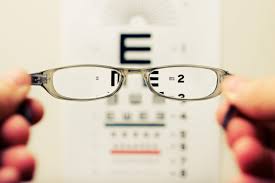
Understanding Bad Eyesight
Causes of Poor Eyesight
Poor eyesight can result from various factors, including genetics, age, and environmental influences. Common conditions affecting vision include myopia (nearsightedness), hyperopia (farsightedness), astigmatism, and presbyopia. Understanding these conditions is essential for selecting appropriate treatments.
-
Myopia: Difficulty seeing distant objects clearly.
-
Hyperopia: Difficulty focusing on close objects.
-
Astigmatism: Distorted vision due to irregularly shaped cornea.
-
Presbyopia: Age-related difficulty focusing on close objects.
Impact on Daily Life
Vision problems can affect all aspects of life, from reading and driving to enjoying outdoor activities. They can also lead to eye strain, headaches, and reduced productivity. Addressing these issues can significantly enhance quality of life.
Common Treatments for Poor Eyesight
Eyeglasses and Contact Lenses
Eyeglasses and contact lenses are the most traditional and non-invasive methods for correcting vision. They work by compensating for the eye's refractive errors, allowing light to focus correctly on the retina.
-
Eyeglasses: Available in various styles, materials, and lens coatings, eyeglasses offer a customizable and fashionable vision correction option. They are easy to wear, require minimal maintenance, and provide protection against environmental factors like dust and UV rays.
-
Contact Lenses: Designed to fit directly on the eye, contact lenses offer a wider field of vision without frame obstructions. They are ideal for sports and outdoor activities, with options like daily disposables, toric lenses for astigmatism, and extended-wear varieties for convenience.
Laser Eye Surgery
Laser eye surgery is a popular option for those seeking a permanent solution to refractive errors. Procedures such as LASIK and PRK reshape the cornea to improve vision, often eliminating the need for glasses or contacts.
-
LASIK (Laser-Assisted In Situ Keratomileusis): Involves creating a flap in the cornea and reshaping the underlying tissue with a laser. Offers quick recovery and minimal discomfort.
-
PRK (Photorefractive Keratectomy): Removes the outer layer of the cornea before reshaping it. Suitable for those with thin corneas.
Advanced Surgical Options
For more severe vision issues, advanced surgical options may be necessary. These include lens implants and corrective surgeries for conditions like cataracts or glaucoma.
-
Cataract Surgery: Removes the clouded lens and replaces it with an artificial one.
-
Implantable Contact Lenses (ICL): Suitable for high myopia, providing an alternative to laser surgery.
Non-Surgical Alternatives
In addition to surgical and corrective lens options, there are non-surgical treatments available that focus on improving vision through lifestyle and dietary changes, eye exercises, and advanced technologies like orthokeratology.
-
Orthokeratology: Special contact lenses worn overnight to reshape the cornea temporarily.
-
Vision Therapy: Exercises designed to improve visual skills and processing.
Cost and Accessibility
Understanding Treatment Costs
The cost of vision correction treatments varies widely depending on the method chosen, the complexity of the procedure, and the location of the clinic. Understanding these costs and potential financing options is crucial for planning treatment.
-
Average Costs of Vision Correction Treatments
|
Treatment Type
|
Cost Range
|
Insurance Coverage
|
|
Eyeglasses
|
£50 - £300
|
Often covered partially
|
|
Contact Lenses
|
£15 - £150/month
|
Limited coverage
|
|
LASIK
|
£1,500 - £3,000
|
Rarely covered
|
|
PRK
|
£1,000 - £2,500
|
Rarely covered
|
|
Cataract Surgery
|
NHS covered
|
Fully covered by NHS
|
Accessibility in Urban Areas
Access to vision correction services can vary depending on location. Urban areas like London and Manchester typically offer a wider range of clinics and specialists, providing more options for patients. It's important to research and compare clinics to find the best service and price.
Competing Solutions and Technologies
Comparing Treatment Options
When evaluating treatment options, consider factors such as effectiveness, cost, recovery time, and potential side effects. Each treatment has its strengths and limitations, making it important to consult with an eye care professional to determine the best solution.
-
Eyeglasses vs. Contact Lenses: Eyeglasses are easy to use, require minimal maintenance, and can be a stylish accessory, but they may limit peripheral vision and be affected by weather conditions. Contact lenses provide full-field vision and a natural look but demand regular cleaning and proper care.
-
Laser Surgery vs. Non-Surgical Options: Laser eye surgery, such as LASIK or PRK, offers long-term vision correction with minimal daily upkeep but involves higher costs and potential risks. Non-surgical options like eyeglasses, contact lenses, and orthokeratology are safer and more affordable but require ongoing maintenance and prescription updates.
Innovations in Eye Care
The field of eye care is continually evolving, with new treatments and technologies emerging. Innovations such as corneal cross-linking, new laser techniques, and improved lens materials continue to enhance the effectiveness and safety of vision correction.
Frequently Asked Questions (QA)
Q1: How do I know which treatment is right for me?
A: The best way to determine the right vision correction treatment is by consulting an eye care professional. They will assess your vision needs, lifestyle preferences, and medical history to recommend the most suitable option, whether it's eyeglasses, contact lenses, laser surgery, or other corrective procedures.
Q2: Are there risks associated with laser eye surgery?
A: Yes, like any surgical procedure, laser eye surgery carries potential risks. Common side effects include dry eyes, glare, halos, or night vision issues. In rare cases, complications such as infection or vision loss may occur. It’s essential to discuss all risks and benefits with your surgeon before making a decision.
Q3: Can vision problems be treated without surgery?
A: Absolutely. Non-surgical treatments include eyeglasses, contact lenses, orthokeratology (specialized contact lenses that reshape the cornea overnight), and vision therapy. These methods can effectively address various vision issues without the need for surgical intervention, making them viable alternatives for individuals who prefer non-invasive solutions.
Q4: Are all vision correction procedures permanent?
A: No, not all procedures provide permanent results. Laser surgeries like LASIK or PRK offer long-term vision correction, but natural aging or eye conditions may still affect vision over time. Options like contact lenses, orthokeratology, and prescription eyeglasses provide temporary solutions that require ongoing maintenance and adjustments.
Q5: What should I consider when choosing a clinic for treatment?
A: When selecting a clinic, prioritize experienced and board-certified professionals, a strong track record of successful treatments, and positive patient reviews. Ensure the clinic offers comprehensive pre-operative consultations and thorough post-treatment care to monitor recovery and address any potential complications for the best possible outcome.