
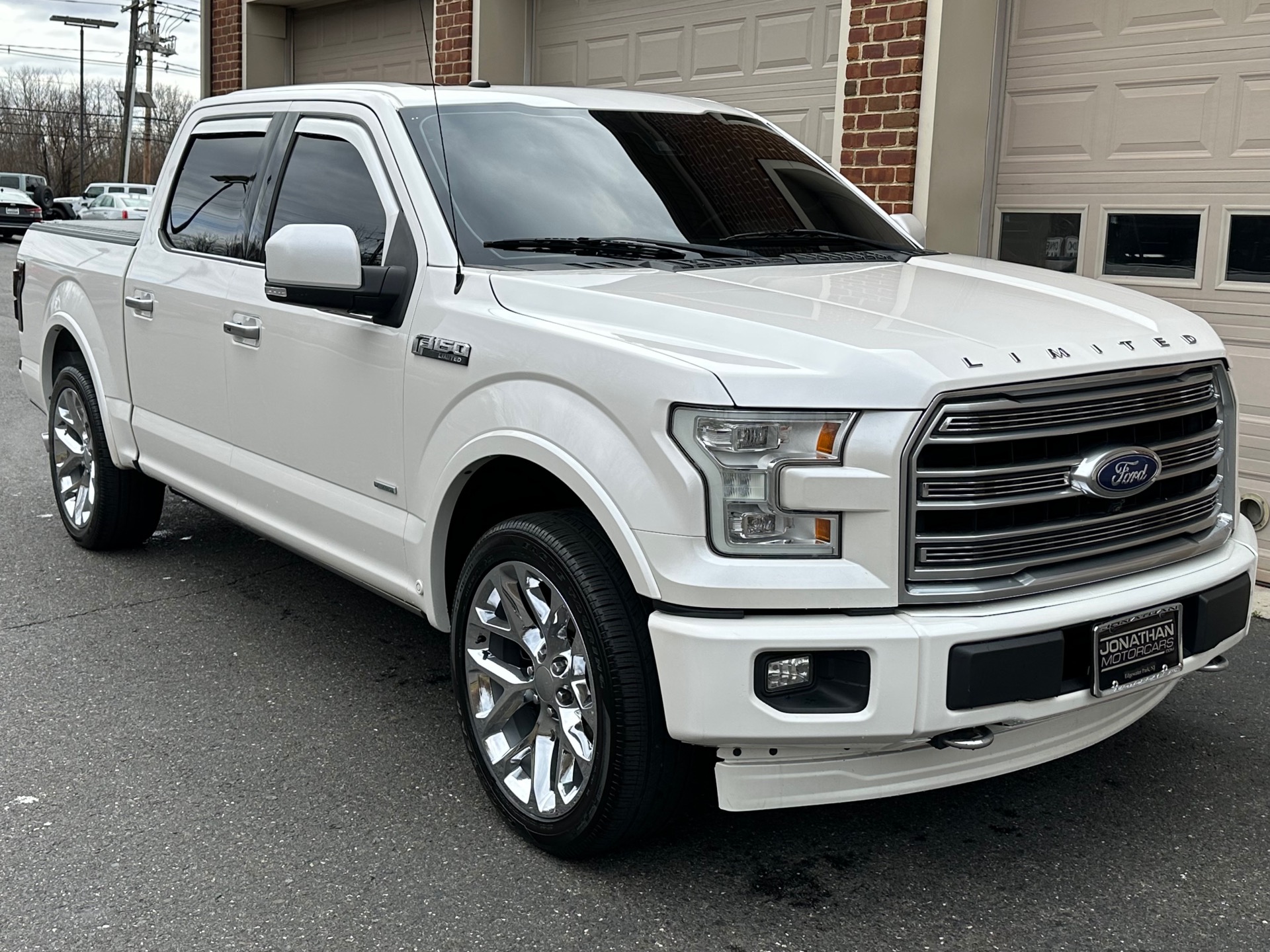
What Exactly Is the Ford F-150?
The Ford F-150 is part of the legendary F-Series, a truck family that has dominated U.S. sales charts for over 40 years. Introduced in 1975, the F-150 has evolved through multiple generations, each offering improvements in towing capacity, fuel economy, safety features, and comfort. Today, the truck represents a balance between rugged utility and everyday convenience.
For used buyers, the F-150 is particularly appealing because:
-
It offers wide availability across all budgets.
-
Older models remain durable and capable with proper care.
-
Newer pre-owned models provide advanced tech at lower prices.
Why the F-150 Stands Out in the Used Market
Durability and Longevity
Ford designed the F-150 for tough work conditions, from farms and construction sites to cross-country towing. Many trucks exceed 200,000 miles when properly maintained.
Resale Value and Brand Reputation
The F-150 holds its value well thanks to strong demand and Ford’s reputation for building reliable trucks. This makes it a safe bet if you plan to resell down the line.
Trim Variety and Versatility
From basic XL work trucks to luxury-oriented Platinum or Limited trims, the F-150 lineup caters to different lifestyles. Even mid-level trims like the XLT come well-equipped with comfort and tech features.
Performance Options
Buyers can choose from multiple engines—ranging from fuel-efficient V6s to powerful V8s and turbocharged EcoBoost engines. This versatility allows you to tailor your purchase to towing, commuting, or off-road needs.
A Quick Look at F-150 Generations
Before buying, it helps to understand how the F-150 has changed over time:
-
2009–2014 (12th Generation): Strong V8 options, improved interiors. A popular choice for budget buyers.
-
2015–2020 (13th Generation): Aluminum body introduced, reducing weight and improving fuel economy. Added advanced safety features.
-
2021–Present (14th Generation): Modern design, hybrid options, cutting-edge technology. More expensive but excellent if you want a nearly-new used truck.
Knowing these differences allows you to target a generation that balances budget, features, and reliability.
Key Features to Consider When Buying Used
-
Engine Options:
-
3.3L V6 (base, efficient but modest power)
-
2.7L EcoBoost V6 (good balance of power and economy)
-
3.5L EcoBoost V6 (strong towing, popular choice)
-
5.0L V8 (classic reliability and muscle)
-
3.0L Power Stroke Diesel (excellent torque and fuel efficiency)
-
-
Towing and Payload: Depending on configuration, towing ranges from 5,000 lbs on base models to over 13,000 lbs on properly equipped versions.
-
Cab Configurations:
-
Regular Cab (two doors, basic work truck)
-
SuperCab (rear half doors, versatile)
-
SuperCrew (four full doors, best for families)
-
-
Safety Features: Look for models with blind-spot monitoring, adaptive cruise control, lane-keeping assist, and airbag upgrades. These became more common after 2015.
-
Interior Comfort: Trim level determines interior quality. A used Lariat, King Ranch, Platinum, or Limited offers leather seating, advanced sound systems, and larger infotainment screens.
Pros and Cons of Buying a Used Ford F-150
Pros:
-
Wide availability nationwide.
-
Multiple trims and engines to fit needs.
-
High towing and hauling capacity.
-
Strong aftermarket support for parts and accessories.
Cons:
-
Higher demand means some models retain steep resale prices.
-
Fuel economy can be lower on older V8s.
-
Rust issues possible in older northern-state trucks.
-
Certain engines (early EcoBoosts) may require careful inspection.
Inspection Checklist for Used F-150s
When shopping, bring this checklist with you:
-
Exterior: Look for rust on rocker panels, wheel wells, and undercarriage.
-
Interior: Test electronics, infotainment, AC, and seats.
-
Engine: Listen for unusual knocking or rattling. Check for oil leaks.
-
Transmission: Ensure smooth shifting with no hesitation.
-
Brakes & Tires: Uneven wear could signal suspension or alignment issues.
-
Maintenance Records: A truck with regular oil changes and documented service is always preferable.
Where to Buy a Used Ford F-150
Certified Pre-Owned (CPO) Dealerships
Benefits: Multi-point inspections, warranties, roadside assistance.
Best for buyers wanting extra peace of mind.
Traditional Dealerships
Often have larger selections, financing options, and promotional sales.
Online Platforms
Cars.com, Carfax, and Autotrader provide wide inventory access and history reports.
Private Sellers
Sometimes cheaper, but requires careful inspection and title verification.
Financing and Insurance Tips
-
Auto Loans: Credit unions and banks often provide the best rates for used cars.
-
Dealer Financing: Convenient but may include higher interest—shop around.
-
Insurance: Premiums depend on model year, trim, and safety features. Newer models with advanced safety may qualify for lower rates.
-
Budget Planning: Remember to include registration, taxes, and future maintenance costs in your overall budget.
Long-Term Ownership Costs
Buying used doesn’t just mean the purchase price—consider ongoing expenses:
-
Fuel Costs: EcoBoost models may save money compared to older V8s.
-
Maintenance: Regular servicing is critical—budget for oil changes, brake pads, and tire rotations.
-
Repairs: Common issues include spark plug replacements (on older models) and potential turbo maintenance on EcoBoost engines.
-
Depreciation: Used F-150s hold value well, but newer ones still lose value more quickly than older, fully-depreciated models.
Common Problems to Watch Out For
-
2004–2008 models: Known for spark plug issues and transmission problems.
-
2011–2014 EcoBoost models: Some experienced condensation in intercoolers, leading to misfires.
-
Rust concerns: Particularly in trucks from snow-heavy regions using road salt.
-
High-mileage trucks: Ensure timing chain, suspension components, and brakes have been serviced.
Tips for Securing the Best Deal
-
Shop Off-Season: Prices may dip in late fall or winter when demand for trucks is lower.
-
Check for Incentives: Dealerships often run promotions on pre-owned inventory.
-
Get Pre-Approved Financing: This gives you stronger negotiating power.
-
Compare Across States: Sometimes prices differ significantly based on location.
The Ford F-150 is more than just a truck—it’s a cultural icon and a proven workhorse. Buying one used can be an excellent decision if you understand the key factors: which generation to target, which engines are best, and how to spot a good deal. With proper research and a careful inspection, a used F-150 can serve you faithfully for years, whether you’re hauling heavy loads, towing a camper, or simply driving to work.
By weighing your options, checking maintenance records, and considering ownership costs, you can confidently choose the right used Ford F-150 that fits your lifestyle and budget.