
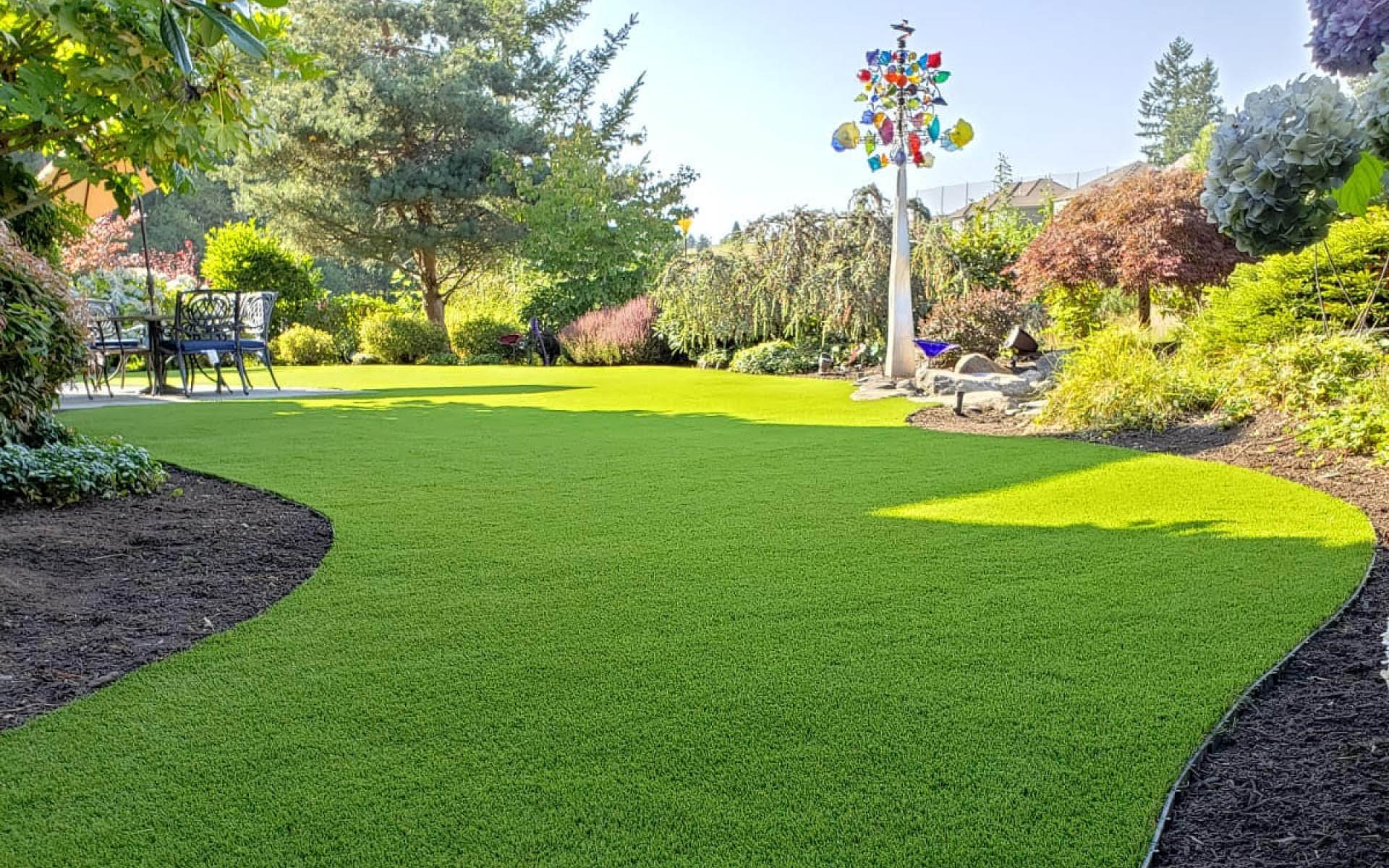
I. Introduction to Artificial Grass
A. What is Artificial Grass?
-
Definition and Basics
Artificial grass, also known as synthetic turf or artificial turf, is a man - made surface designed to mimic the appearance and feel of natural grass. It is typically made from synthetic fibers, such as polyethylene, polypropylene, or nylon, which are woven or tufted onto a backing material. The fibers are designed to resemble grass blades in color, texture, and length. Here, we'll break down the fundamental components of artificial grass, how it's manufactured, and the different types available on the market.
-
The History of Artificial Grass
The concept of artificial grass has been around for several decades. It was first developed in the 1960s as a solution for sports fields, where natural grass struggled to withstand heavy use. Since then, the technology has advanced significantly, leading to the development of more realistic - looking and durable artificial grass products for both residential and commercial applications. We'll trace the evolution of artificial grass, highlighting the key technological advancements that have made it a popular choice today.
B. The Role of Technology in Artificial Grass
-
Manufacturing Technologies
Modern manufacturing technologies have made it possible to create artificial grass that closely resembles natural grass. The synthetic fibers are engineered to have a natural - looking color, texture, and sheen. Some manufacturers use advanced extrusion processes to create fibers with a unique shape and structure, which helps to improve the grass's durability and resilience. We'll explore the different manufacturing technologies used in the production of artificial grass and how they contribute to the quality of the final product.
-
Innovations in Backing Materials
The backing material of artificial grass is just as important as the fibers. It provides stability and support to the grass and helps to ensure proper drainage. Over the years, there have been several innovations in backing materials. Some backings are made from porous materials that allow water to drain quickly, while others are designed to be more durable and resistant to wear and tear. We'll discuss the different types of backing materials available and how they affect the performance of artificial grass.
II. Types of Artificial Grass
A. Residential Artificial Grass
-
Function and Features
Residential artificial grass is designed to provide a beautiful and low - maintenance lawn alternative for homeowners. It comes in a variety of styles and colors to match different landscapes and preferences. Residential artificial grass is typically softer and more natural - looking than its commercial counterparts. It also requires less maintenance, as there is no need for mowing, watering, or fertilizing. We'll outline the typical features of residential artificial grass, including the different pile heights, densities, and fiber types available.
-
Benefits for Homeowners
The benefits of residential artificial grass are numerous. It can save homeowners time and money on lawn maintenance, as well as reduce water consumption. Artificial grass also stays green all year round, regardless of the weather or season. Additionally, it can be a great option for areas where natural grass struggles to grow, such as shady spots or areas with poor soil quality. We'll discuss the potential benefits of residential artificial grass in detail and provide tips on how homeowners can choose the right product for their needs.
B. Artificial Grass for Dogs
-
Function and Features
Artificial grass for dogs is specifically designed to withstand the wear and tear of pet use. It is made from durable materials that can resist damage from dog claws and urine. Some artificial grass products for dogs are also designed to be easy to clean, with features such as antibacterial properties and quick - draining backings. We'll explain the workings of artificial grass for dogs, including the different types of fibers and backings used and how they are tailored to meet the needs of pet owners.
-
How to Choose the Right Artificial Grass for Dogs
When choosing artificial grass for dogs, there are several factors to consider. The durability of the grass is crucial, as dogs can be rough on lawns. The ease of cleaning is also important, as pet waste and urine can be a challenge to manage. Additionally, pet owners may want to consider the safety of the grass, ensuring that it is non - toxic and free from harmful chemicals. We'll provide a step - by - step guide on how to choose the right artificial grass for dogs, including tips on how to test the grass for durability and cleanliness.
III. Competition in the Artificial Grass Market
A. Competition Among Suppliers
-
Differentiation through Product Quality and Features
Suppliers in the artificial grass market compete by offering different product qualities and features. Some suppliers focus on providing high - quality, realistic - looking artificial grass with advanced manufacturing technologies. Others may offer more affordable options with basic features. Some suppliers also differentiate themselves by offering unique features, such as antimicrobial properties, UV resistance, or enhanced drainage systems. We'll compare and contrast the products and features offered by different suppliers and how they target different customer segments.
-
Pricing and Value - for - Money
Pricing is a significant factor in the competition. The cost of artificial grass can vary widely depending on the quality, brand, and features. Some high - end artificial grass products may be more expensive but offer better durability and a more natural appearance. On the other hand, more affordable options may be suitable for those on a budget. We'll analyze the different pricing models used by suppliers and how customers can compare the costs and benefits of different products to make an informed decision.
B. Competition Among Installers
-
Installation Services and Expertise
Installers in the artificial grass market compete based on their installation services and expertise. Professional installers with years of experience can ensure a proper installation, which is crucial for the performance and longevity of the artificial grass. Some installers offer additional services, such as site preparation, drainage system installation, and maintenance advice. We'll discuss the importance of choosing a qualified installer and how installers can differentiate themselves in the market.
-
Customer Service and Reputation
Customer service and reputation are also important factors in the competition. Installers with a good reputation for providing excellent customer service are more likely to attract customers. This includes prompt response to inquiries, clear communication throughout the installation process, and post - installation support. We'll explore how installers can build a good reputation and provide exceptional customer service to stand out in the market.
IV. Table: Comparison of Three Popular Artificial Grass Brands
|
Brand
|
Pile Height (inches)
|
Density (ounces per square yard)
|
Fiber Material
|
Warranty (years)
|
Cost per Square Foot ($)
|
|
SYNLawn
|
1.6
|
84
|
Polyethylene (PE)
|
15
|
3 - 5
|
|
FieldTurf
|
1.75
|
92
|
Monofilament Polyethylene
|
10 - 12 (varies by product line)
|
4 - 6
|
|
AstroTurf
|
1.5
|
80
|
Blend of Polyethylene and Polypropylene
|
8 - 10 (dependent on application)
|
2.5 - 4
|
Source: Data compiled from the official websites of SYNLawn, FieldTurf, and AstroTurf, along with industry research by the Synthetic Turf Council as of September 2024. The cost per square foot may vary based on factors such as location, quantity ordered, and additional installation requirements.
V. Questions and Answers
A. Installation
Question: How much does it cost to install artificial grass?
Answer: The cost of installing artificial grass can vary depending on several factors, including the size of the area, the type of artificial grass chosen, and the complexity of the installation. On average, installation costs can range from 5−20 per square foot, including materials and labor.
B. Maintenance
Question: How do I maintain artificial grass?
Answer: Artificial grass requires minimal maintenance. You can simply brush it occasionally to keep the fibers upright and clean up any debris or pet waste. In some cases, you may need to rinse the grass with water to remove dirt or odors. There is no need for mowing, watering, or fertilizing.
C. Durability
Question: How long does artificial grass last?
Answer: The lifespan of artificial grass depends on various factors, such as the quality of the product, the amount of use it receives, and the maintenance it gets. On average, artificial grass can last between 8 - 15 years. High - quality products with proper maintenance can last even longer.