
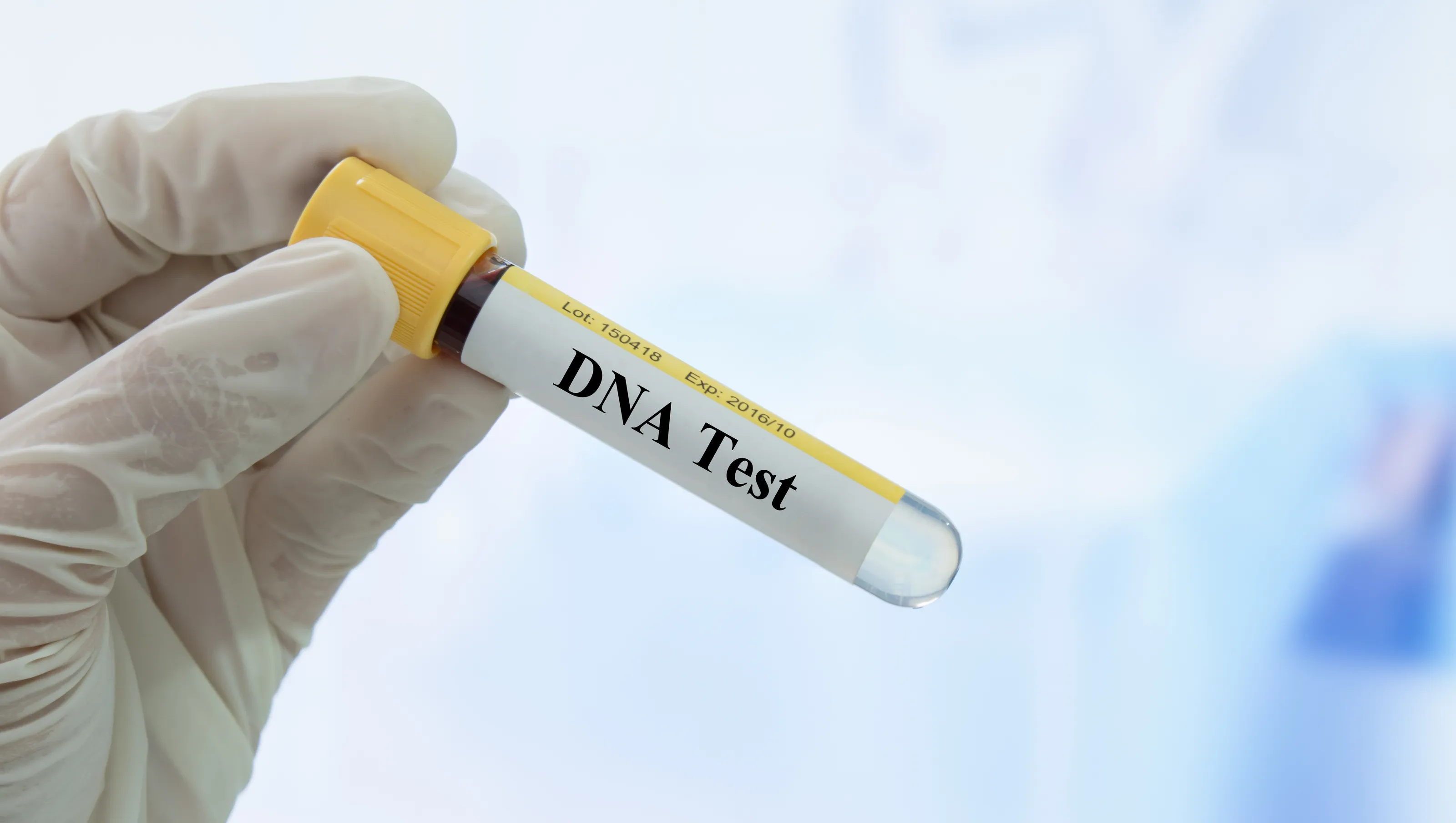
Introduction to DNA Testing
DNA testing involves analyzing genetic material to uncover information about an individual's ancestry, health predispositions, and biological relationships. As technology has advanced, DNA testing has become a popular tool for individuals seeking to learn more about their genetic heritage and health.
What is DNA Testing?
DNA, or deoxyribonucleic acid, is the hereditary material in humans and nearly all other organisms. DNA testing examines specific sequences within this genetic material to provide information about an individual's genetic makeup.
Types of DNA Tests
-
Ancestry Tests: Explore an individual's ethnic background and ancestral lineage.
-
Health Tests: Identify genetic predispositions to certain health conditions.
-
Paternity Tests: Determine biological relationships between individuals.
-
Whole Genome Sequencing: Offers a comprehensive analysis of an individual's complete genetic code.
The Process of DNA Testing
DNA testing typically involves a simple and non-invasive process. Here’s how it generally works:
-
Sample Collection: A DNA sample is collected, usually through a cheek swab or saliva sample.
-
Laboratory Analysis: The sample is sent to a laboratory where it is analyzed for specific genetic markers.
-
Results Interpretation: Results are interpreted and shared with the individual, often through an online platform.
Rapid Genetic Testing
Advancements in technology have led to the development of rapid genetic tests, which provide quicker results compared to traditional methods. These tests are particularly beneficial in clinical settings where timely information is crucial.
Benefits of DNA Testing
Ancestry and Heritage
DNA testing can provide detailed insights into an individual's ancestral roots, helping them connect with their heritage and discover familial connections. Companies like AncestryDNA and 23andMe offer comprehensive ancestry reports.
Health and Wellness
DNA tests can identify genetic predispositions to various health conditions, enabling individuals to take proactive steps in managing their health. Tests from companies like 23andMe and MyHeritage include health assessments.
Personalized Medicine
Genetic information can inform personalized medicine, allowing healthcare providers to tailor treatments based on an individual's genetic makeup. This approach can improve treatment efficacy and reduce adverse effects.
Comparing DNA Testing Companies
Several companies offer DNA testing services with varying features and specializations. Here's a comparison of some major players in the market:
|
Company
|
Key Features
|
Best For
|
|
23andMe
|
Ancestry, health insights
|
Comprehensive genetic testing
|
|
AncestryDNA
|
Detailed ancestry report
|
Exploring family history
|
|
MyHeritage
|
Ethnicity estimates, health reports
|
Budget-friendly ancestry testing
|
|
FamilyTreeDNA
|
Paternal and maternal lineage
|
Detailed genealogical research
|
Ethical Considerations and Privacy
As DNA testing becomes more common, ethical considerations and privacy concerns have come to the forefront. It's crucial for individuals to understand how their genetic data will be used and stored.
Privacy Concerns
-
Data Security: Ensuring that genetic data is stored securely and not shared without consent.
-
Informed Consent: Understanding what information will be collected and how it will be used.
Ethical Issues
-
Discrimination: Potential misuse of genetic information by employers or insurance companies.
-
Family Implications: Discovering unexpected family relationships can have emotional and social impacts.
The Future of DNA Testing
Technological Advancements
The field of DNA testing is rapidly evolving, with advancements in technology leading to more comprehensive and affordable testing options. Innovations such as CRISPR and AI are set to revolutionize the industry further.
Expanding Applications
Beyond ancestry and health insights, DNA testing is finding applications in fields such as personalized nutrition, sports performance optimization, and even dating.
Questions and Answers
Q: What are the main benefits of taking a DNA test?
A: DNA tests can provide insights into ancestry, health predispositions, and genetic traits, empowering individuals with knowledge about their genetic makeup.
Q: Are DNA test results accurate?
A: While DNA tests are generally accurate, factors like laboratory quality and the specific test used can affect precision. It's important to choose reputable testing services.
Q: How is my genetic data protected after a DNA test?
A: Reputable companies implement strict data security measures and obtain informed consent from users. Always review privacy policies before submitting your DNA.
Q: Can DNA testing determine my risk for diseases?
A: DNA tests can identify genetic predispositions to certain conditions, but they cannot predict with certainty if you will develop a disease. Consultation with a healthcare professional is advised for interpretation.
Q: How do rapid genetic tests differ from traditional tests?
A: Rapid genetic tests offer quicker results, often within a few days, compared to traditional tests that may take weeks. They are particularly useful in urgent clinical scenarios.