
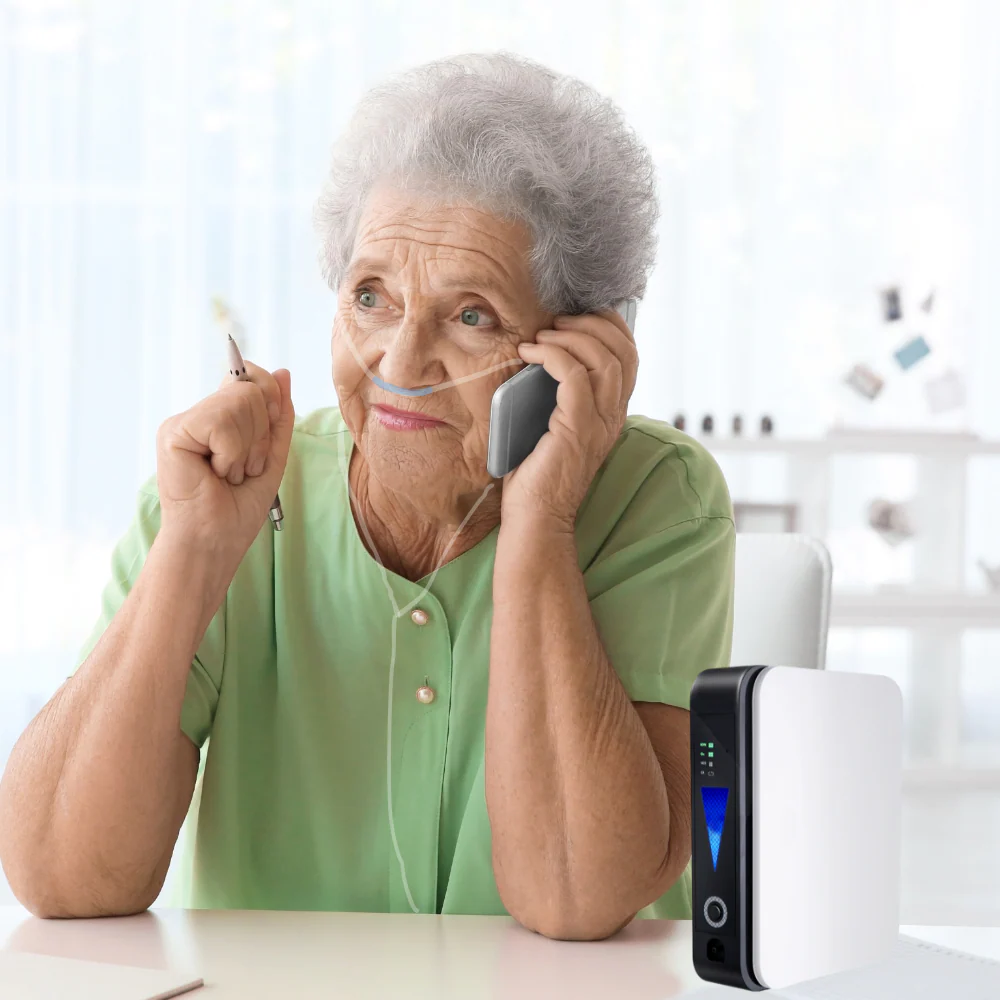
Understanding Mini Oxygen Concentrators: How They Work and Their Benefits
Mini oxygen concentrators provide supplemental oxygen for individuals with respiratory issues in a portable format. They offer increased mobility and convenience compared to traditional oxygen tanks.
1. How Mini Oxygen Concentrators Work
These devices extract nitrogen from ambient air, concentrating the remaining oxygen. They use a pressure swing adsorption (PSA) process, passing air through a material that selectively absorbs nitrogen, delivering oxygen-rich gas to the user.
2. Key Components and Technology
Mini oxygen concentrators typically include an air compressor, sieve beds containing the nitrogen-absorbing material (usually zeolite), pressure regulators, and an electronic control system. The compressor draws in air, which is then filtered and passed through the sieve beds.
3. Benefits of Using Mini Oxygen Concentrators
The primary advantage is portability, allowing users to maintain active lifestyles. They eliminate the need for bulky oxygen tanks, offering a continuous supply of oxygen without refills. This can improve quality of life and independence for individuals with chronic respiratory conditions.
4. Types of Mini Oxygen Concentrators
There are two main types: continuous flow and pulse dose. Continuous flow delivers a constant stream of oxygen, while pulse dose delivers oxygen only when the user inhales, conserving battery life. Pulse dose is generally preferred for its efficiency and smaller size.
5. Considerations When Choosing a Mini Oxygen Concentrator
Factors to consider include oxygen output (liters per minute), battery life, weight, size, noise level, and cost. It's important to consult with a healthcare professional to determine the appropriate oxygen flow rate and type of concentrator for individual needs.
Navigating Medicare Coverage for Portable Oxygen Devices
Understanding Medicare coverage for portable oxygen concentrators (POCs) is essential for beneficiaries needing supplemental oxygen. Medicare may cover POCs under certain conditions, helping to alleviate the financial burden of these devices.
1. Medicare Part B Coverage
Medicare Part B covers durable medical equipment (DME), including oxygen equipment, if deemed medically necessary by a physician. To qualify, beneficiaries typically need to meet specific criteria related to their oxygen saturation levels and medical condition. Coverage often involves a rental agreement with a DME supplier, where Medicare pays a monthly fee for the equipment.
2. Qualifying Conditions
To be eligible for Medicare coverage of a POC, individuals generally must have a severe lung disease or a condition causing hypoxemia (low blood oxygen levels). A physician must certify that the patient's medical condition requires oxygen therapy and that the patient will benefit from using a POC. Specific oxygen saturation levels, usually measured by an arterial blood gas test or pulse oximetry, must fall within the range specified by Medicare guidelines.
3. Supplier Requirements
Medicare-approved DME suppliers play a crucial role in obtaining coverage for POCs. Beneficiaries should ensure they are working with a supplier that accepts Medicare assignment to avoid unexpected out-of-pocket costs. These suppliers are responsible for providing the equipment, delivering it to the patient's home, and offering ongoing support and maintenance.
4. Documentation and Prior Authorization
Obtaining Medicare coverage for a POC typically requires comprehensive documentation from the prescribing physician. This documentation should include a detailed medical history, the results of oxygen saturation tests, and a clear statement of medical necessity. In some cases, prior authorization may be required before Medicare approves coverage for the device.
5. Costs and Limitations
While Medicare Part B covers a significant portion of the cost of a POC, beneficiaries are typically responsible for paying a 20% coinsurance amount. Additionally, there may be limitations on the type of POC covered, with Medicare often preferring the least costly alternative that meets the patient's needs. It's important to understand these costs and limitations to budget accordingly.
| Medicare Coverage Aspects | Details |
|---|---|
| Covered under | Medicare Part B (Durable Medical Equipment) |
| Qualifying Condition | Severe lung disease or hypoxemia |
| Beneficiary Cost | 20% coinsurance |
| Supplier Requirement | Medicare-approved DME supplier |
Data source: Medicare.gov, 2024
The Role of Mini Oxygen Concentrators in Managing COPD Symptoms
Mini oxygen concentrators offer a practical solution for individuals with Chronic Obstructive Pulmonary Disease (COPD) by providing supplemental oxygen, thereby alleviating symptoms and enhancing their quality of life.
1. Improving Oxygen Saturation Levels
COPD often leads to reduced oxygen levels in the blood. Mini oxygen concentrators deliver concentrated oxygen, helping to raise and maintain optimal oxygen saturation levels. This reduces breathlessness and fatigue, common symptoms of COPD.
2. Enhancing Physical Activity
Supplemental oxygen from mini concentrators enables COPD patients to engage in physical activities with greater ease. Increased oxygen availability supports muscle function and reduces the strain on the respiratory system during exercise. This promotes better overall health and well-being.
3. Reducing Exacerbations
Consistent use of mini oxygen concentrators can lower the frequency and severity of COPD exacerbations. By ensuring adequate oxygen supply, these devices help stabilize respiratory function and prevent acute episodes that often require hospitalization.
4. Portability and Convenience
The compact and lightweight design of mini oxygen concentrators allows for greater mobility. Patients can use them at home, while traveling, or during daily activities, providing a continuous and convenient source of oxygen. This portability enhances independence and improves adherence to oxygen therapy.
5. Supporting Respiratory Health
Mini oxygen concentrators assist in maintaining respiratory health by alleviating the strain on the lungs. By providing supplemental oxygen, these devices reduce the workload of the respiratory system, promoting better lung function and overall respiratory well-being in COPD patients.
Innovations and Challenges in Portable Oxygen Technology
Portable oxygen concentrators (POCs) have revolutionized respiratory care, offering greater mobility and independence for users. However, ongoing innovations are crucial to address existing challenges and improve device performance.
1. Technological Advancements in Oxygen Delivery
Recent advancements focus on enhancing oxygen delivery efficiency. New algorithms optimize oxygen pulse delivery based on the user's breathing pattern, maximizing oxygen saturation while conserving battery life. Microfluidic technologies are being explored to create more compact and efficient oxygen separation modules.
2. Miniaturization and Lightweight Design
A key innovation involves miniaturization. Manufacturers are using advanced materials and engineering techniques to reduce the size and weight of POCs. This makes them easier to carry and integrate into daily activities. The use of lightweight polymers and smaller compressors contributes to enhanced portability.
3. Battery Technology and Power Management
Battery life remains a critical challenge. Innovations in lithium-ion battery technology are extending operating times. Simultaneously, sophisticated power management systems optimize energy consumption, prolonging battery life and reducing the frequency of recharges. Research into alternative battery chemistries is ongoing.
4. Noise Reduction and User Comfort
Noise emitted by POCs can be disruptive. Manufacturers are implementing noise reduction technologies, such as improved mufflers and vibration dampening materials, to minimize sound levels. Ergonomic designs and comfortable carrying options enhance user comfort and adherence to oxygen therapy.
5. Remote Monitoring and Connectivity
The integration of remote monitoring capabilities is gaining traction. POCs equipped with sensors can transmit data on oxygen usage, battery status, and device performance to healthcare providers. This enables proactive monitoring, timely interventions, and personalized therapy adjustments. Data connectivity also allows for remote troubleshooting and software updates.
6. Addressing Altitude and Environmental Factors
POC performance can be affected by altitude and environmental conditions. Innovations include altitude compensation mechanisms that adjust oxygen output to maintain consistent saturation levels. Furthermore, ruggedized designs and protective cases enhance durability in various environments.
Q&A
Question 1: How do mini oxygen concentrators work, and what are their key components?
Answer: Mini oxygen concentrators use a pressure swing adsorption (PSA) process to separate nitrogen from ambient air, concentrating the remaining oxygen. Key components include an air compressor, sieve beds containing a nitrogen-absorbing material (like zeolite), pressure regulators, and an electronic control system. Air is drawn in, filtered, and passed through the sieve beds to deliver oxygen-rich gas.
Question 2: What are the main benefits of using a mini oxygen concentrator compared to traditional oxygen tanks?
Answer: The primary benefit is portability, allowing users greater mobility and independence. They eliminate the need for bulky tanks and refills, providing a continuous oxygen supply. This improves quality of life for individuals with chronic respiratory conditions. Pulse dose concentrators offer further advantages in efficiency and size.
Question 3: What factors should be considered when choosing a mini oxygen concentrator, and what is the role of a healthcare professional?
Answer: Key considerations include oxygen output (liters per minute), battery life, weight, size, noise level, and cost. The type (continuous flow or pulse dose) is also important. A healthcare professional is crucial in determining the appropriate oxygen flow rate and type of concentrator based on individual needs and medical condition.
Question 4: How does Medicare coverage work for portable oxygen concentrators (POCs) in the US, and what are the associated costs?
Answer: Medicare Part B may cover POCs if medically necessary, as determined by a physician. This typically involves meeting criteria related to oxygen saturation levels and having a qualifying condition like severe lung disease or hypoxemia. Beneficiaries usually pay a 20% coinsurance, and coverage often involves a rental agreement with a Medicare-approved DME supplier. Medicare generally prefers the least costly option that meets the patient's needs.
Question 5: What are some current innovations and challenges in portable oxygen technology?
Answer: Innovations focus on improving oxygen delivery efficiency (e.g., new algorithms, microfluidic technologies), miniaturization and lightweight designs, longer battery life (through better battery technology and power management), noise reduction, remote monitoring capabilities, and addressing altitude and environmental factors through altitude compensation and ruggedized designs. Challenges include extending battery life and minimizing noise.
References:
- https://www.medicalnewstoday.com/articles/does-medicare-cover-oxygen
- https://www.oxygenconcentratorstore.com/blog/high-flow-oxygen-concentrators/
- https://www.health.gov.au/topics/aged-care/providing-aged-care-services/funding-for-aged-care-service-providers/oxygen-supplement-for-aged-care
- https://www.oxygenconcentratorstore.com/blog/oxygen-concentrator-battery-care/
- https://www.micitech.com/news/