
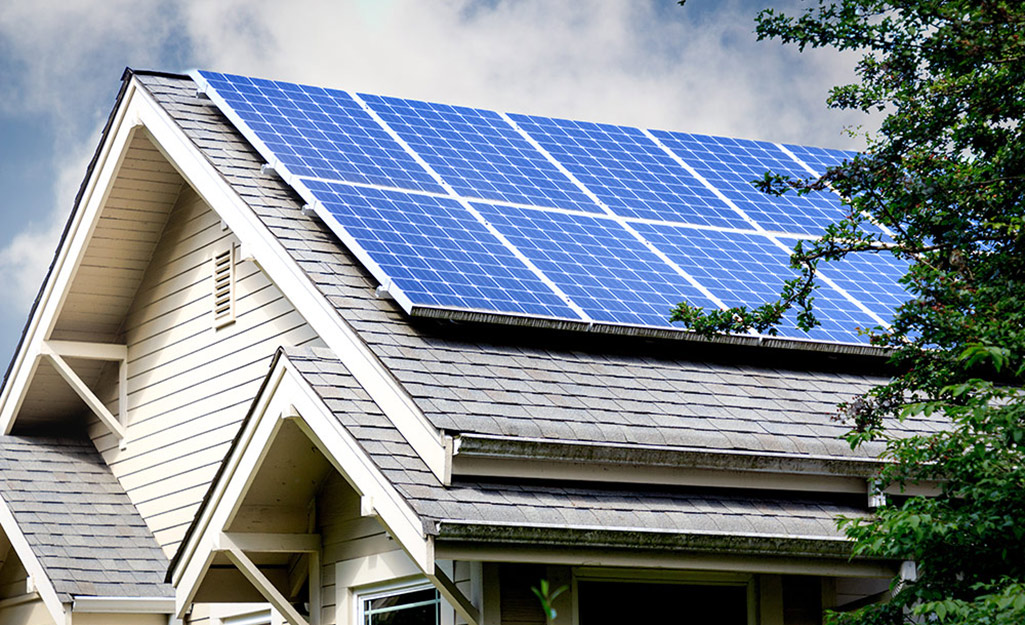
The Science Behind Solar Water Heating Systems
Solar water heating systems harness sunlight to warm water, offering an energy-efficient alternative to traditional methods. These systems rely on fundamental scientific principles to convert solar radiation into usable heat.
1. Solar Collectors
Solar collectors are the core component, designed to absorb maximum sunlight. Flat plate collectors, commonly used, feature a dark-colored absorber plate, often made of copper or aluminum, housed in an insulated box with a transparent cover. Sunlight strikes the absorber plate, heating it. Evacuated tube collectors are another type, consisting of rows of glass tubes containing a vacuum. The vacuum minimizes heat loss, making them more efficient, especially in colder climates.
2. Heat Transfer
Once the collector absorbs solar energy, the heat must be transferred to the water. In direct systems, potable water circulates directly through the collectors. Indirect systems use a heat-transfer fluid, such as glycol, to absorb heat from the collector. This fluid then passes through a heat exchanger, transferring the heat to the potable water supply, preventing freezing in colder temperatures.
3. Circulation
Circulation moves the heated water from the collector to a storage tank. Thermosiphon systems rely on natural convection; as water heats, it becomes less dense and rises, creating a natural circulation loop. Pumped systems use a small pump to circulate the water or heat-transfer fluid, offering more control and flexibility in system design and placement.
4. Storage
A well-insulated storage tank is essential to store the heated water for later use. The tank minimizes heat loss, maintaining the water temperature until it's needed. The size of the tank depends on factors like household size, hot water demand, and collector size. Auxiliary heating elements, such as electric resistance heaters, are often included to provide backup heating when solar energy is insufficient, ensuring a consistent hot water supply.
Types of Solar Water Heaters: Active vs. Passive Systems
Solar water heaters harness sunlight to warm water for household or commercial use. These systems are broadly categorized into active and passive types, differing in how they circulate water.
1. Active Solar Water Heaters
Active solar water heaters use pumps and controls to circulate water. These systems are more efficient and can be used in colder climates. They typically involve solar collectors mounted on the roof and a storage tank.
2. Passive Solar Water Heaters
Passive solar water heaters rely on natural convection to circulate water. They are generally less expensive and require less maintenance than active systems. These systems are best suited for warmer climates where freezing is not a concern. One common type is the batch water heater, where water is heated directly in a tank exposed to the sun. Another type is thermosyphon systems, which use the natural rising of hot water to circulate it between the collector and the storage tank.
Economic and Environmental Benefits of Solar Water Heating
Solar water heating systems offer a sustainable alternative to traditional water heaters, yielding significant economic and environmental advantages. By harnessing solar energy, these systems reduce reliance on fossil fuels and lower utility bills.
1. Reduced Energy Costs
Solar water heaters significantly lower electricity or gas bills. The initial investment is offset over time through reduced energy consumption.
2. Decreased Carbon Footprint
Solar water heating systems are environmentally friendly. They produce little to no greenhouse gas emissions during operation, helping to combat climate change. A typical solar water heater can reduce a household's carbon footprint by several tons of CO2 annually.
3. Increased Property Value
Installing a solar water heater can increase a home's market value. Buyers are increasingly interested in energy-efficient homes. Solar installations are viewed as upgrades. A study by the National Renewable Energy Laboratory (NREL) found that homes with solar energy systems sell for more than comparable homes without them.
4. Energy Independence
Solar water heating promotes energy independence by reducing reliance on imported fossil fuels. This enhances national energy security and stabilizes energy prices. Investing in solar infrastructure strengthens local economies and creates jobs in the renewable energy sector.
Challenges in Implementing Solar Water Heating Solutions
Implementing solar water heating solutions faces several hurdles despite its environmental and economic benefits. These challenges range from initial costs to technological limitations and social acceptance. Overcoming these obstacles is crucial for wider adoption.
1. High Initial Costs
The upfront investment for solar water heating systems can be substantial. This includes the cost of solar collectors, storage tanks, pumps, and installation. Many potential users are deterred by these high initial costs, even though the long-term operational savings can offset them. Government incentives and financing options are often necessary to make these systems more accessible.
2. Space Requirements and Aesthetic Concerns
Solar collectors require significant roof space, which may not be available in all buildings, particularly in densely populated urban areas. Furthermore, some homeowners find the appearance of solar panels aesthetically unappealing, leading to resistance in residential installations. Innovative designs and integrated solutions are needed to address these aesthetic concerns and spatial limitations.
3. Weather Dependency and System Efficiency
The performance of solar water heating systems is heavily dependent on weather conditions. On cloudy days or during winter months, solar radiation is reduced, leading to lower system efficiency and the need for backup heating sources. Improving collector efficiency and developing more effective heat storage solutions are essential for mitigating weather dependency.
4. Maintenance and Technical Expertise
Solar water heating systems require regular maintenance to ensure optimal performance. This includes cleaning collectors, checking for leaks, and replacing worn components. A lack of qualified technicians and maintenance services in some regions can pose a significant challenge to long-term system operation. Training programs and certification initiatives are needed to build a skilled workforce for installation and maintenance.
5. Regulatory and Policy Barriers
Inconsistent or absent regulatory frameworks and policies can hinder the widespread adoption of solar water heating. Clear standards, permitting processes, and incentives are needed to create a supportive environment for solar water heating installations. Streamlining regulations and providing financial incentives can encourage greater investment in solar water heating technologies.
Innovations and Future Prospects in Solar Hot Water Technology
Solar hot water technology continues to evolve, offering promising avenues for enhanced efficiency and broader applications in residential and commercial settings. Ongoing research and development efforts are focused on improving system performance and reducing costs.
1. Advanced Collector Designs
New collector designs aim to maximize solar energy absorption and minimize heat loss. For example, evacuated tube collectors are gaining popularity due to their superior insulation properties compared to flat-plate collectors, especially in colder climates. Innovations in materials science are also leading to more durable and efficient absorber coatings.
2. Integrated Storage Solutions
Integrating storage directly into solar hot water systems improves overall efficiency and reduces space requirements. Phase change materials (PCMs) are being explored for their high energy storage density, allowing for smaller and more compact storage tanks. Smart controls optimize heat storage and release based on demand and solar availability.
3. Hybrid Systems
Combining solar hot water with other renewable energy sources, such as heat pumps or biomass boilers, creates hybrid systems that offer greater reliability and flexibility. These systems can provide a consistent hot water supply, even during periods of low solar irradiance. Hybrid approaches are particularly suitable for larger-scale applications, like district heating.
4. Smart Technologies and IoT Integration
The integration of smart technologies and the Internet of Things (IoT) is revolutionizing solar hot water systems. Smart sensors and controls optimize system performance in real-time, based on weather conditions and user demand. Remote monitoring and diagnostics enable proactive maintenance and reduce downtime. Data analytics provide insights into system efficiency and potential improvements.
5. Cost Reduction Strategies
Efforts to reduce the cost of solar hot water systems are crucial for wider adoption. Streamlining manufacturing processes, using more affordable materials, and simplifying installation procedures are key strategies. Government incentives and subsidies also play a significant role in making solar hot water more competitive with traditional heating methods.
| Innovation Area | Key Developments |
|---|---|
| Collector Designs | Evacuated tubes, advanced absorber coatings |
| Storage Solutions | Phase change materials, smart controls |
| Hybrid Systems | Integration with heat pumps and biomass boilers |
| Smart Technologies & IoT | Remote monitoring, data analytics, smart sensors |
Data source: IEA, 2024.
Q&A
Question 1: What are the fundamental scientific principles behind solar water heating systems?
Answer: Solar water heating systems utilize the principles of solar radiation absorption and heat transfer. Sunlight is absorbed by a dark-colored absorber plate (often copper or aluminum) in a collector, heating it. This heat is then transferred to water, either directly or indirectly via a heat-transfer fluid and heat exchanger, to provide hot water.
Question 2: What are the key differences between active and passive solar water heating systems?
Answer: Active systems use pumps to circulate water, offering greater efficiency and suitability for colder climates. Passive systems rely on natural convection (the rising of heated water), are generally less expensive and require less maintenance, but are best suited for warmer climates to avoid freezing.
Question 3: What are some challenges in implementing solar water heating solutions?
Answer: High initial costs, space requirements and aesthetic concerns, weather dependency affecting efficiency, the need for regular maintenance and specialized technical expertise, and regulatory and policy barriers can all hinder wider adoption.