
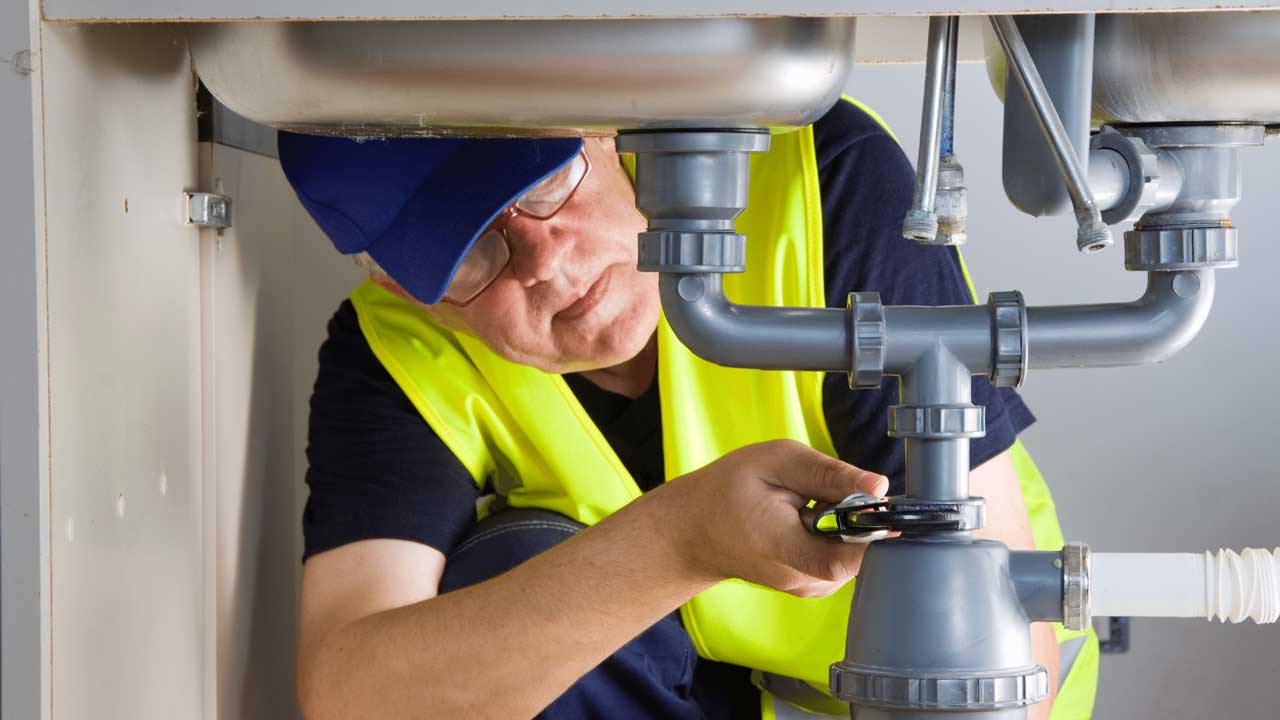
What Are Repiping Services?
Repiping services involve the process of replacing old, damaged, or unsafe pipes in a plumbing system with new, durable materials. Over time, pipes can wear out due to age, corrosion, buildup, or substandard materials, leading to numerous problems such as water leaks, low water pressure, or contamination. Repiping ensures that your plumbing system is restored to optimal functionality.
Common Reasons for Repiping
-
Old Plumbing Systems: Homes built decades ago often use outdated materials like galvanized steel or polybutylene, which are prone to corrosion or failure.
-
Frequent Leaks: Persistent leaks signal that your plumbing system is nearing the end of its lifespan.
-
Low Water Pressure: Mineral buildup or pipe corrosion can restrict water flow.
-
Contaminated Water: Rust or sediment in water is often caused by corroded pipes.
-
Polybutylene Pipes: These pipes, commonly used in homes built between the 1970s and 1990s, are now recognized as unreliable and prone to failure.
Benefits of Professional Repiping
Repiping offers numerous advantages that go beyond solving plumbing issues.
1. Improved Water Quality
Replacing corroded or damaged pipes eliminates contaminants such as rust, sediment, and bacteria, providing clean and safe water.
Impact:
-
Better taste and clarity of drinking water.
-
Reduced risk of health hazards associated with contaminated water.
2. Enhanced Water Pressure
New pipes improve water flow, ensuring consistent pressure throughout your home.
Impact:
-
More enjoyable showers and efficient use of appliances like dishwashers and washing machines.
-
Reduced strain on plumbing fixtures.
3. Increased Property Value
A modern plumbing system adds value to your property and makes it more attractive to potential buyers.
Impact:
-
Higher resale value.
-
Fewer concerns for buyers regarding future repairs.
4. Long-Term Cost Savings
Though repiping is an investment upfront, it reduces the likelihood of costly repairs and water damage in the future.
Impact:
-
Lower water bills due to leak prevention.
-
Avoidance of expensive emergency plumbing services.
5. Peace of Mind
Knowing your plumbing system is reliable and up-to-date eliminates the stress of unexpected issues.
Impact:
-
Confidence in the safety and efficiency of your home’s water supply.
Types of Pipes Used in Repiping
Selecting the right pipe material is crucial for a successful repiping project.
1. Copper Pipes
Copper has been a standard material for plumbing for decades due to its durability and resistance to corrosion.
Advantages:
-
Long lifespan (50+ years).
-
Resistant to bacteria growth.
-
Withstands high temperatures.
Disadvantages:
-
Expensive compared to other materials.
-
Susceptible to freezing in cold climates.
2. PEX Pipes
PEX (cross-linked polyethylene) is a flexible and affordable material that has gained popularity in recent years.
Advantages:
-
Flexible and easy to install.
-
Resistant to freezing and corrosion.
-
Cost-effective.
Disadvantages:
-
Sensitive to UV light.
-
Limited lifespan compared to copper.
3. CPVC Pipes
CPVC (chlorinated polyvinyl chloride) is an alternative to PEX and copper, offering similar benefits.
Advantages:
-
Resistant to corrosion and scaling.
-
Handles high temperatures well.
-
Affordable option.
Disadvantages:
-
Brittle and prone to cracking over time.
-
Not as flexible as PEX.
4. Polybutylene Pipes
Polybutylene pipes were widely used in homes built between the 1970s and 1990s but are now considered unreliable due to frequent failures.
Recommendation: Homes with polybutylene pipes should prioritize repiping to avoid costly repairs or water damage.
How Repiping Works
Repiping is a detailed process that requires professional expertise to ensure the job is done correctly and safely.
Step-by-Step Process
-
Assessment and Inspection
-
Plumbing experts evaluate the condition of your existing pipes and identify issues like leaks, corrosion, or buildup.
-
A plan is created based on the layout of your plumbing system.
-
Material Selection
-
The appropriate pipe material (e.g., copper, PEX, CPVC) is chosen based on your needs, budget, and home structure.
-
Preparation
-
Walls and floors are carefully opened to access the pipes.
-
Water is turned off to ensure safety during the replacement process.
-
Pipe Replacement
-
Old pipes are removed, and new ones are installed.
-
Connections are tested for leaks and proper functionality.
-
Restoration
-
Walls and floors are repaired, leaving your home in its original condition.
-
Final Inspection
-
The entire plumbing system is tested to ensure it operates efficiently and meets local building codes.
Table: Comparison of Pipe Materials
|
Material
|
Lifespan
|
Cost
|
Key Features
|
|
Copper
|
50+ years
|
High
|
Durable, resistant to bacteria
|
|
PEX
|
25-40 years
|
Moderate
|
Flexible, affordable
|
|
CPVC
|
20-40 years
|
Moderate
|
Handles high temperatures
|
|
Polybutylene
|
10-15 years
|
Low
|
Outdated, prone to failure
|
Common Repiping Competitors
Several companies specialize in repiping services, and comparing their offerings can help you make an informed decision.
1. Repipe Specialists
-
Focuses exclusively on repiping projects.
-
Known for quick turnaround times and competitive pricing.
2. Mr. Rooter Plumbing
-
Offers repiping along with other plumbing services.
-
Nationwide availability with reliable customer support.
3. Roto-Rooter
-
Provides comprehensive plumbing services, including repiping.
-
Ideal for emergency situations and large-scale projects.
4. Local Independent Contractors
-
Often provide personalized service and lower costs.
-
May lack the resources of larger companies for extensive projects.
Frequently Asked Questions
Q: How do I know if I need repiping services?
A: Signs include discolored water, frequent leaks, low water pressure, and using outdated pipe materials like polybutylene or galvanized steel.
Q: How long does the repiping process take?
A: Depending on the size of your home, repiping typically takes 3–5 days. Larger or more complex systems may take longer.
Q: Is repiping expensive?
A: Costs vary based on home size, pipe material, and labor. On average, repiping a single-family home can range from $4,000 to $15,000.
Q: Do I need to move out during repiping?
A: While some homeowners choose to stay, the process can be disruptive. It's advisable to discuss this with your contractor beforehand.
Q: Are repiping services covered by insurance?
A: Insurance may cover repiping if the damage was caused by a sudden event, such as a burst pipe. Routine wear and tear are typically not covered.
Repiping services are essential for maintaining a safe and efficient plumbing system. By understanding the process, benefits, and available options, homeowners can make informed decisions to protect their property and enhance its value.