
What is Psoriasis?
Psoriasis is a chronic skin disorder resulting from an overactive immune system, leading to the rapid buildup of skin cells. This condition belongs to the category of autoimmune diseases, where the body mistakenly attacks its own tissues.
Symptoms of Psoriasis
-
Red patches of skin covered with thick, silvery scales
-
Dry, cracked skin that may bleed
-
Itching, burning, or soreness
-
Thickened or pitted nails
-
Swollen and stiff joints
Types of Psoriasis
-
Plaque Psoriasis: The most common type, causing dry, raised, red skin lesions (plaques) covered with silvery scales.
-
Guttate Psoriasis: Characterized by small, water-drop-shaped, scaling lesions on the trunk, arms, legs, and scalp.
-
Inverse Psoriasis: Causes smooth, red patches of inflamed skin that worsen with friction and sweating.
-
Pustular Psoriasis: Results in white pustules surrounded by red skin.
-
Erythrodermic Psoriasis: A rare and severe form causing widespread redness and scaling.
Treatment Options for Psoriasis
Mild to Moderate Psoriasis Treatments
-
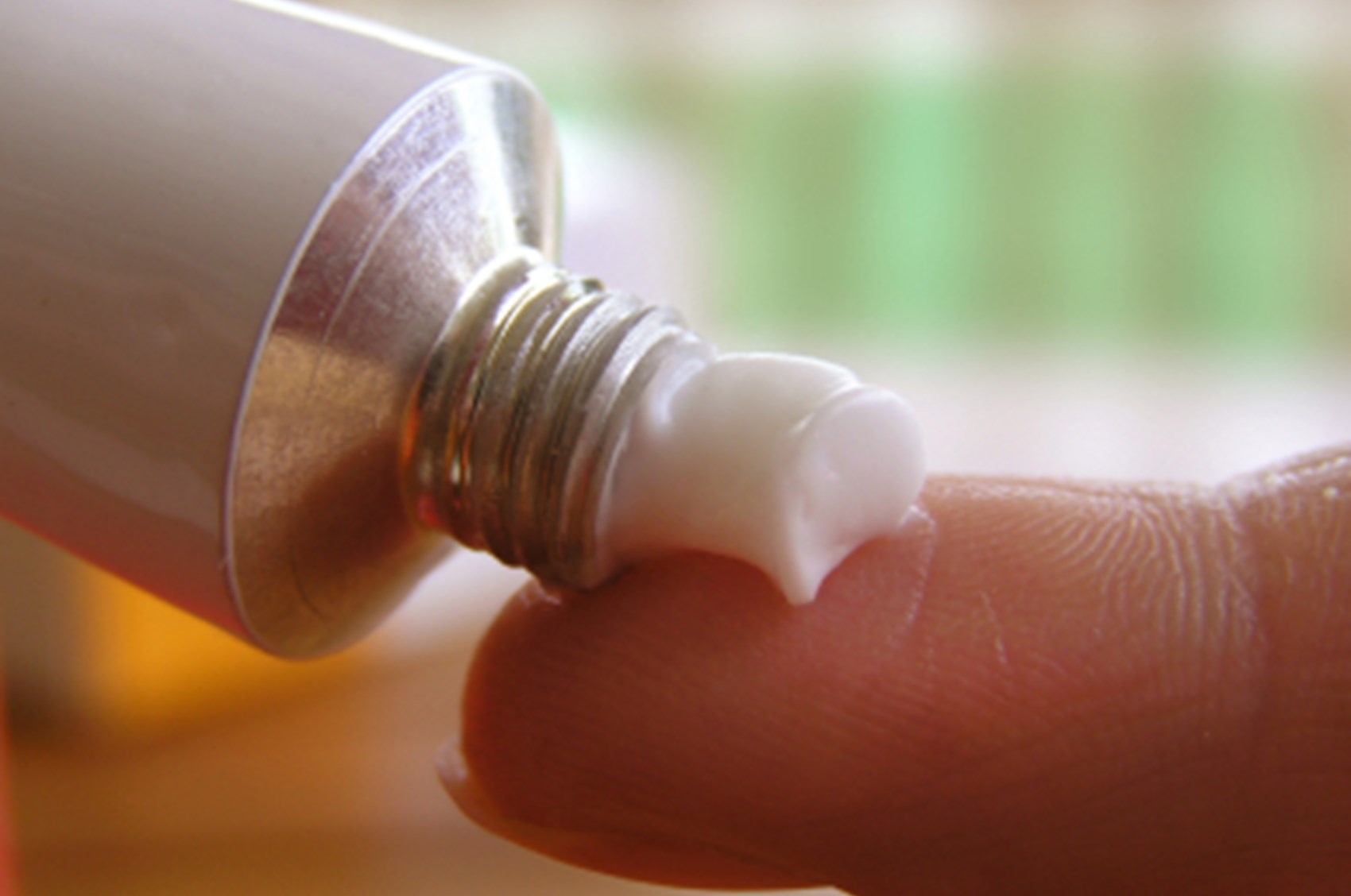
Topical Treatments: Including corticosteroids, vitamin D analogues, and retinoids.
-
Cost: $30-$100 per month
Moderate to Severe Psoriasis Treatments
-
Phototherapy: Involves exposing the skin to ultraviolet light.
-
Cost: $200-$500 per session
-
Systemic Treatments: Oral or injected medications that affect the entire body, such as methotrexate, cyclosporine, and biologics.
-
Cost: $1,000-$5,000 per month for biologics
Relationship Between Psoriasis and Vitiligo
Psoriasis and vitiligo are both autoimmune disorders affecting the skin, but they do not cause each other. While they share some genetic and environmental triggers, having one does not necessarily lead to the development of the other.
Estimated Prevalence of Psoriasis and Other Skin Diseases in the U.S. by 2024
|
Disease
|
Estimated Cases
|
Age Group
|
Gender Distribution
|
|
Psoriasis
|
8 million
|
All ages
|
56% female, 44% male
|
|
Eczema
|
31.6 million
|
Primarily children
|
60% male, 40% female
|
|
Acne
|
50 million
|
Adolescents and adults
|
54% female, 46% male
|
Source: National Psoriasis Foundation, American Academy of Dermatology
Preventing Psoriasis and Other Skin Diseases
-
Maintain a Healthy Lifestyle: Regular exercise and a balanced diet can improve overall health and skin condition.
-
Avoid Triggers: Identify and avoid triggers such as stress, smoking, and certain medications.
-
Skin Care: Use moisturizing lotions and avoid harsh skin products to maintain skin hydration.
-
Regular Check-ups: Visit a dermatologist for routine skin examinations.
Finding Affordable and Effective Psoriasis Treatment
Tips for Finding Specialists
-
Research Online: Use medical review websites to compare specialists and read patient reviews.
-
Insurance Network: Check your insurance provider’s network for covered dermatologists.
-
Local Support Groups: Join local or online support groups for recommendations and shared experiences.
Top 3 Hospitals for Treating Psoriasis and Other Skin Diseases in the U.S. by 2024
|
Rank
|
Hospital Name
|
Location
|
Specialization
|
|
1
|
Mayo Clinic
|
Rochester, MN
|
Dermatology, Rheumatology
|
|
2
|
Cleveland Clinic
|
Cleveland, OH
|
Dermatology, Immunology
|
|
3
|
Johns Hopkins Hospital
|
Baltimore, MD
|
Dermatology, Autoimmune Diseases
|
Source: U.S. News & World Report, 2023-2024
Community Support for Psoriasis Patients
Local communities often provide support for individuals with psoriasis through:
-
Support Groups: Offering emotional support and shared experiences.
-
Educational Programs: Workshops and seminars about managing the disease.
-
Assistance Programs: Financial aid for treatment and medications.
Understanding and managing psoriasis involves knowing its symptoms, treatment options, and the importance of preventive measures. By staying informed and seeking appropriate medical care, individuals can effectively manage their condition and improve their quality of life.