
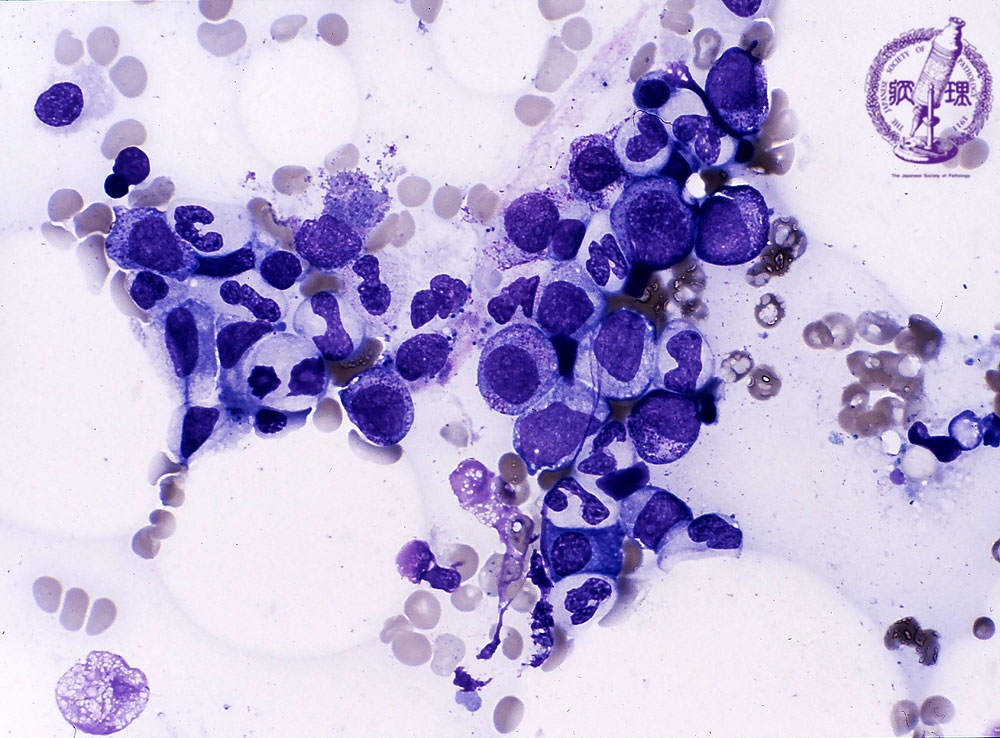
Introduction to Myelodysplastic Syndrome
Myelodysplastic Syndrome (MDS) encompasses a collection of disorders characterized by the abnormal production of blood cells in the bone marrow. These disorders lead to low blood cell counts, affecting red blood cells, white blood cells, and platelets. MDS is considered a type of cancer and primarily affects older adults, although it can occur at any age.
What is Myelodysplastic Syndrome?
MDS occurs when the bone marrow produces immature or defective blood cells. These defective cells often die early, resulting in a shortage of healthy blood cells. MDS can progress to acute myeloid leukemia (AML), a more aggressive form of blood cancer, in some cases.
Symptoms of Myelodysplastic Syndrome
-
Fatigue and Weakness: Due to anemia (low red blood cell count).
-
Frequent Infections: Caused by a shortage of healthy white blood cells.
-
Easy Bruising and Bleeding: Due to low platelet counts.
-
Shortness of Breath: Related to anemia and reduced oxygen-carrying capacity.
-
Pale Skin: Resulting from anemia.
Causes of Myelodysplastic Syndrome
The exact causes of MDS are not fully understood, but several factors have been identified that may contribute to its development.
Genetic Mutations
Genetic mutations in bone marrow cells can lead to the development of MDS. These mutations affect cell growth and division, leading to the production of defective blood cells.
Environmental Factors
Exposure to certain chemicals, such as benzene, and previous chemotherapy or radiation therapy for cancer can increase the risk of developing MDS.
Age and Demographics
MDS is more common in individuals over the age of 60. The risk of developing MDS increases with age, and it is slightly more common in men than in women.
Future Research Directions
Ongoing research aims to identify specific genetic and environmental factors contributing to MDS. By 2025, researchers hope to have a clearer understanding of the disease's causes, paving the way for targeted therapies.
Diagnosis of Myelodysplastic Syndrome
Diagnosing MDS involves a combination of laboratory tests and medical evaluations to assess blood cell counts and bone marrow function.
Blood Tests
Complete blood count (CBC) tests are used to measure the levels of red blood cells, white blood cells, and platelets. Abnormal results may indicate MDS.
Bone Marrow Examination
A bone marrow biopsy and aspiration can confirm an MDS diagnosis. These tests involve extracting a sample of bone marrow tissue to examine it for abnormalities.
Genetic Testing
Genetic tests can identify specific mutations associated with MDS, helping to determine the severity of the disease and guide treatment decisions.
Treatment Options for Myelodysplastic Syndrome
Treatment for MDS focuses on managing symptoms, improving quality of life, and slowing the progression of the disease. Options vary depending on the severity of the condition and the patient's overall health.
Supportive Care
-
Blood Transfusions: To manage anemia and improve symptoms like fatigue and shortness of breath.
-
Growth Factors: Medications like erythropoietin can stimulate the production of red blood cells.
-
Antibiotics: To prevent or treat infections due to low white blood cell counts.
Drug Therapies
-
Hypomethylating Agents: Such as azacitidine and decitabine, help manage cell growth and delay disease progression.
-
Immunosuppressive Therapy: Drugs like ATG (anti-thymocyte globulin) can improve blood counts in some patients.
Breakthrough Treatments
Recent advancements have introduced new treatments for MDS, offering hope for improved outcomes. These include:
-
Targeted Therapies: Drugs that specifically target genetic mutations in MDS cells.
-
Clinical Trials: Ongoing research trials testing innovative treatments and combinations.
Stem Cell Transplant
Stem cell transplant, or bone marrow transplant, is the only potential cure for MDS. It involves replacing the diseased bone marrow with healthy stem cells from a donor. This option is typically considered for younger patients or those with advanced disease.
Competitive Landscape in MDS Treatment
Several pharmaceutical companies and research institutions are actively involved in developing treatments for MDS. Here's a comparison of some major players:
|
Company/Institution
|
Key Developments
|
Focus Area
|
|
Celgene/Bristol-Myers Squibb
|
Developing hypomethylating agents
|
Drug therapies
|
|
Novartis
|
Conducting clinical trials for new drugs
|
Targeted therapies
|
|
MD Anderson Cancer Center
|
Leading research in stem cell transplantation
|
Advanced treatment options
|
|
Memorial Sloan Kettering
|
Offering comprehensive MDS care and trials
|
Clinical research and patient care
|
Questions and Answers
Q: What are the early symptoms of Myelodysplastic Syndrome?
A: Early symptoms include fatigue, weakness, frequent infections, easy bruising, and shortness of breath due to low blood cell counts.
Q: How is Myelodysplastic Syndrome diagnosed?
A: Diagnosis involves blood tests, bone marrow examination, and genetic testing to assess blood cell production and identify abnormalities.
Q: What treatment options are available for MDS?
A: Treatment options include supportive care, drug therapies, and potentially stem cell transplantation. Recent advancements in targeted therapies offer new hope.
Q: Can Myelodysplastic Syndrome be cured?
A: While there is no definitive cure for MDS, stem cell transplantation offers a potential cure for some patients. Other treatments focus on managing symptoms and slowing disease progression.
Q: What research is being done to improve MDS treatment?
A: Ongoing research includes clinical trials for new drugs and targeted therapies, as well as studies on the genetic and environmental causes of MDS.