
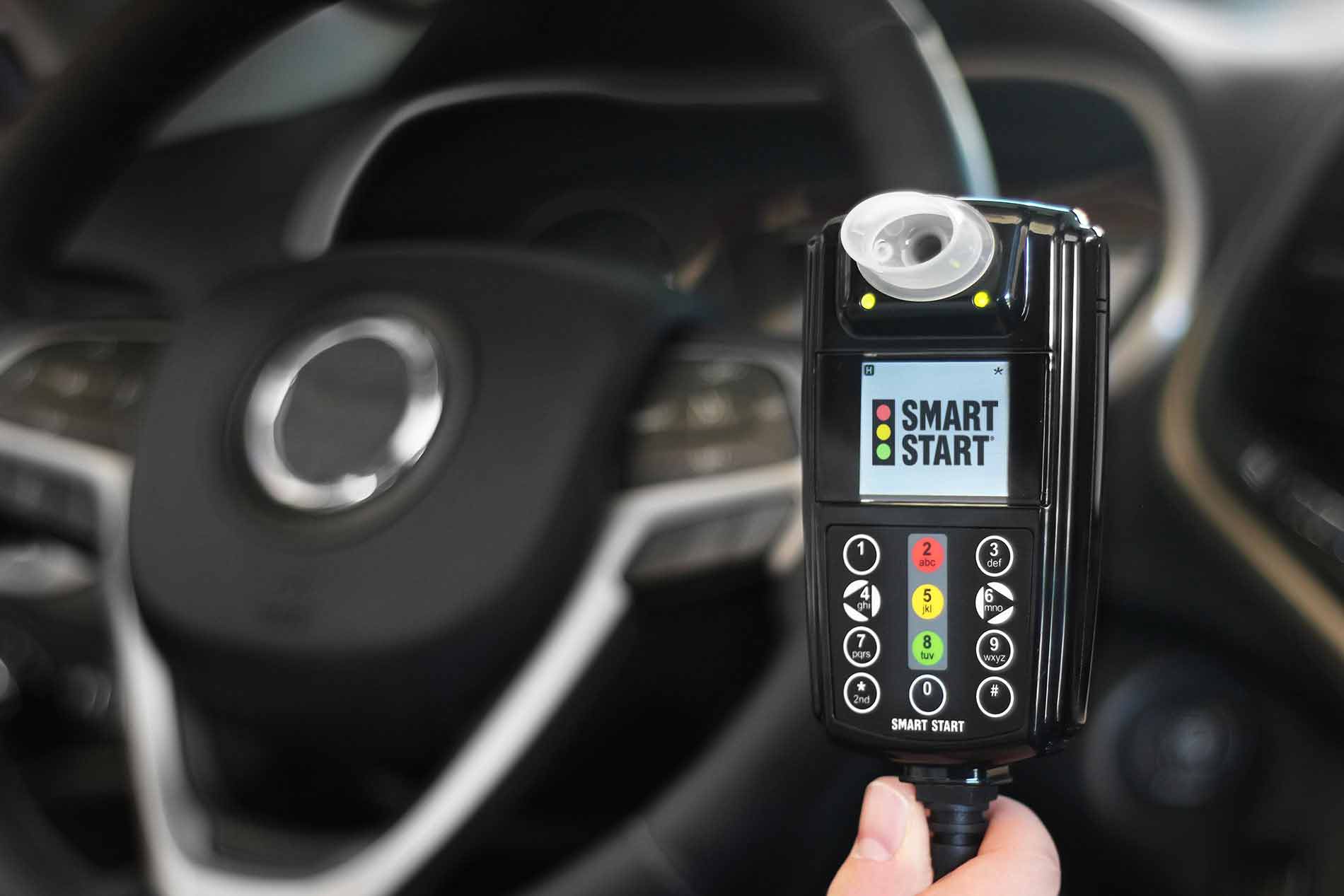
Introduction to Ignition Interlock Devices
Ignition interlock devices are an important safety measure implemented in the automotive world. These devices are designed to prevent individuals with a high blood - alcohol concentration (BAC) from starting their vehicles. They are most commonly associated with individuals who have been convicted of driving under the influence (DUI) offenses, as a condition for regaining their driving privileges. However, they can also be used as a preventive measure in some cases, such as for people with a history of alcohol - related problems or in certain work - related driving situations where sobriety is essential.
How Ignition Interlock Devices Work
The Breathalyzer Component
At the heart of an ignition interlock device is a breathalyzer. When a driver attempts to start the vehicle, they must first blow into the device's mouthpiece. The breathalyzer then measures the amount of alcohol in the driver's breath. It uses a chemical reaction to detect ethanol vapor in the exhaled breath. Most modern ignition interlock devices are highly sensitive and accurate, capable of detecting even trace amounts of alcohol. For example, in many regions, the legal limit for driving is a BAC of 0.08%. The ignition interlock device will prevent the vehicle from starting if the detected BAC is above a pre - set limit, which is often set at a very low level, sometimes as low as 0.02% or even lower in some cases.
Data Recording and Monitoring
Ignition interlock devices also come with data - recording capabilities. They record each time the device is used, including the time of the attempt to start the vehicle, the BAC reading, and whether the vehicle was successfully started. This data can be retrieved by law enforcement agencies, probation officers, or the relevant authorities. In some cases, the data can also be used by insurance companies to assess risk. For example, if a driver consistently has high BAC readings on their ignition interlock device, it can be an indication of ongoing alcohol - related problems, which may lead to higher insurance premiums or further legal consequences.
Random Retests While Driving
Some ignition interlock devices are equipped with the feature of random retests while the vehicle is in motion. This means that during a trip, the device may prompt the driver to provide another breath sample. If the driver fails to provide a sample or if the sample shows a BAC above the limit, the device can take certain actions. In some cases, it may start emitting an alarm, and in more advanced systems, it can even be programmed to gradually slow down the vehicle to a safe stop. This feature helps to ensure that the driver remains sober throughout the entire journey.
Costs Associated with Ignition Interlock Devices
Device Purchase and Installation Costs
-
Initial Purchase: The cost of an ignition interlock device itself can vary. On average, the device can cost anywhere from 50 to 150. However, this price can be influenced by factors such as the brand, the features it offers, and the region where it is purchased. Some high - end devices with advanced features like GPS tracking or more accurate breathalyzer technology may be on the higher end of this price range.
-
Installation Fees: Installation costs are an additional expense. Professional installation is typically required, and these fees can range from 50 to 200. The installation process involves connecting the device to the vehicle's ignition system, ensuring proper calibration, and providing the driver with instructions on how to use the device. The cost of installation may also depend on the complexity of the vehicle's ignition system and the location of the installation service.
Monthly Monitoring and Maintenance Costs
-
Monitoring Fees: Most ignition interlock devices require monthly monitoring, which comes with a cost. These monitoring fees can range from 50 to 150 per month. The monitoring service is responsible for regularly checking the device's functionality, downloading the data recorded by the device, and ensuring that the driver is complying with the terms of their ignition interlock requirement. In some cases, the monitoring service may also provide support to the driver in case of any issues with the device.
-
Maintenance and Calibration: Ignition interlock devices need to be calibrated regularly to ensure their accuracy. Calibration typically costs around 50 to 100 per calibration, and it may be required every 30 to 60 days, depending on the device and local regulations. Additionally, if there are any issues with the device, such as a malfunctioning breathalyzer or a problem with the data - recording mechanism, there may be additional maintenance costs.
Chart
The following table shows the average costs associated with ignition interlock devices in different cities.
|
City
|
Initial Device Cost ($)
|
Installation Cost ($)
|
Monthly Monitoring Cost ($)
|
Calibration Cost ($ per session)
|
|
New York City
|
110
|
110
|
85
|
75
|
|
Los Angeles
|
105
|
100
|
80
|
70
|
|
Chicago
|
95
|
90
|
75
|
65
|
|
Houston
|
100
|
105
|
82
|
72
|
|
Phoenix
|
90
|
85
|
70
|
60
|
Competitor Analysis
-
Different Ignition Interlock Service Providers
-
Service Quality: There are several ignition interlock service providers in the market. Some providers are known for their high - quality customer service, offering 24/7 support to drivers. They can quickly address any issues with the device, such as malfunctions or questions about usage. In contrast, other providers may have limited customer service hours or may not respond as promptly to driver inquiries.
-
Pricing Structure: Pricing can vary significantly between service providers. Some may offer lower initial device costs but higher monthly monitoring fees, while others may have the opposite approach.
-
Device Features: Different providers may offer ignition interlock devices with varying features. Some devices may come with advanced GPS tracking, which can be useful for authorities to monitor the driver's location in real - time. Other devices may have more user - friendly interfaces, such as larger screens or easier - to - use breathalyzer mouthpieces.
QA
Q: How do I find an ignition interlock installation near me?
A: You can start by searching online for ignition interlock installation services in your area. Many service providers have websites where you can find their contact information and location. You can also ask for recommendations from your local DMV, as they often have a list of approved installation providers. Additionally, you can check with automotive repair shops, as some may offer ignition interlock installation services.
Q: Can I install an ignition interlock device myself?
A: In most cases, no. Professional installation is required for ignition interlock devices. These devices need to be properly calibrated and connected to the vehicle's ignition system to function correctly. Incorrect installation can lead to inaccurate readings or the device not working at all. It can also result in legal issues, as it may not meet the requirements set by the authorities.
Q: What happens if I fail a breath test on my ignition interlock device?
A: If you fail a breath test on your ignition interlock device, the device will prevent the vehicle from starting. In some cases, if it's a random retest while driving and you fail, the device may start an alarm. Repeated failures can have serious consequences, including additional legal penalties, such as extended periods of having to use the ignition interlock device, higher fines, or even the revocation of your driving privileges.