
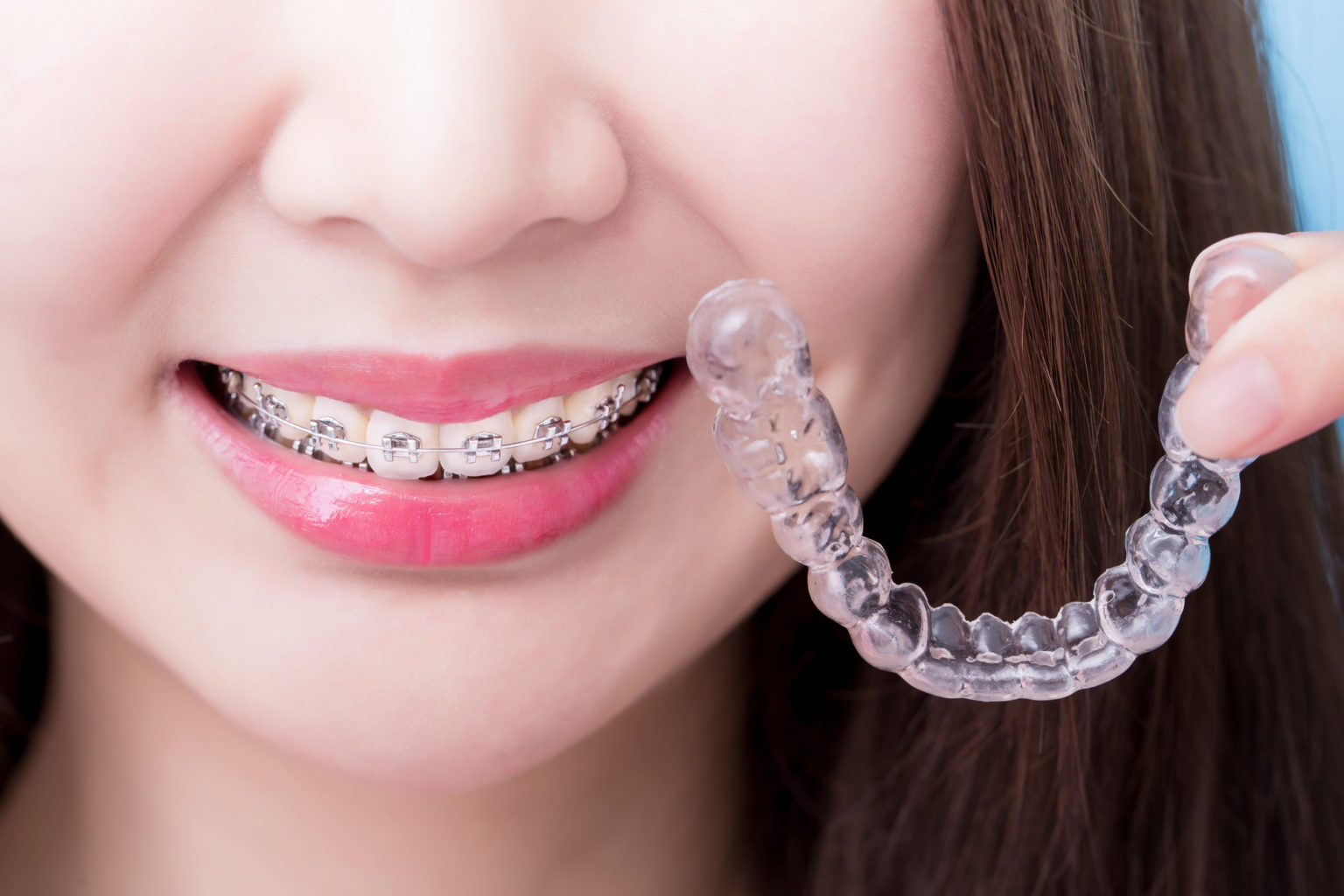
Understanding the Basics: How Braces Work to Align Teeth
Braces are orthodontic devices used to correct teeth misalignment, improving both aesthetics and oral health. They apply constant pressure over time to gradually move teeth into the desired position.
1. The Components of Braces
Braces typically consist of brackets, archwires, and ligatures (or elastics). Brackets are attached to each tooth, serving as anchors. The archwire, a metal wire, connects the brackets and provides the force that moves the teeth. Ligatures or elastics hold the archwire in place within the brackets. Sometimes, springs or rubber bands are used to exert additional force in specific directions. Each component plays a vital role in the overall alignment process.
2. How Braces Apply Pressure
Braces work by applying continuous, gentle pressure to the teeth. This pressure stimulates the bone around the teeth to remodel. On the side where the tooth is being pushed, bone is resorbed (broken down). On the opposite side, new bone is deposited. This process, known as bone remodeling, allows the teeth to gradually move through the bone to their new, corrected positions. Orthodontists carefully adjust the archwires periodically to maintain the correct amount of pressure and guide the teeth.
3. The Role of Archwires
Archwires are essential for guiding tooth movement. Different archwire shapes and materials are used throughout the treatment. Initially, flexible archwires are used to correct major misalignments. As treatment progresses, stiffer archwires are employed to refine the tooth positions and finalize the bite. Orthodontists strategically bend and shape the archwires to deliver precise forces, ensuring that each tooth moves in the desired direction. The archwire acts like a track, guiding the teeth along a predetermined path.
4. Importance of Regular Adjustments
Regular adjustments are crucial for the success of orthodontic treatment. During these appointments, the orthodontist evaluates the progress of tooth movement and makes necessary changes to the archwires, ligatures, or elastics. These adjustments maintain the proper force on the teeth and ensure that they continue to move in the desired direction. The frequency of adjustments typically ranges from every 4 to 8 weeks, depending on the complexity of the case and the type of braces used.
Financial Considerations: Comparing Costs for Teens and Adults
Understanding the financial implications of orthodontic treatment is crucial for both teens and adults considering braces. The overall cost can vary significantly based on several factors.
| Type of Braces | Average Cost (USD) | Duration of Treatment | Considerations |
|---|---|---|---|
| Traditional Metal Braces | $3,000 - $7,000 | 18-36 months | Most affordable option; highly effective. |
| Ceramic Braces | $4,000 - $8,000 | 18-36 months | Less visible than metal braces; more prone to staining. |
| Lingual Braces | $8,000 - $10,000 | 18-36 months | Placed on the back of teeth; completely invisible. |
| Invisalign | $3,500 - $8,000 | 12-18 months | Removable aligners; comfortable and discreet. |
Data source: American Association of Orthodontists, 2024
1. Type of Braces
The type of braces chosen significantly impacts the overall cost. Traditional metal braces are generally the most affordable option, while ceramic braces, which are less visible, tend to be more expensive. Lingual braces, placed on the back of the teeth, are typically the costliest. Invisalign, using clear aligners, falls in a mid-range price point, but can vary depending on the complexity of the case and length of treatment.
2. Complexity of the Case
The complexity of orthodontic issues also influences the price. Severe misalignment, significant bite problems, or the need for additional procedures like tooth extractions can increase the total cost. A thorough initial consultation and examination are essential for determining the extent of treatment required and obtaining an accurate cost estimate. More complex cases generally require longer treatment times and more frequent adjustments.
3. Geographic Location
The geographic location of the orthodontist's practice plays a role in pricing. Orthodontic treatment tends to be more expensive in urban areas or regions with a higher cost of living. Researching orthodontists in your local area and comparing their pricing structures is a smart way to potentially save money. Additionally, some practices may offer payment plans or financing options to help manage the expenses.
4. Age Considerations
While the fundamental cost factors remain similar for both teens and adults, there might be subtle differences. Teenagers may benefit from certain insurance coverage options more readily than adults. Additionally, adults might opt for more discreet options like Invisalign or lingual braces, potentially impacting the overall expenditure. Discussing individual needs and financial constraints with an orthodontist is always recommended.
The Procedure Demystified: Steps to Getting Braces Installed
Embarking on the journey to a straighter smile with braces involves a series of well-defined steps. Understanding this process can alleviate anxiety and set realistic expectations.
1. Initial Consultation and Evaluation
The first step involves a comprehensive consultation with an orthodontist. During this appointment, the orthodontist will examine your teeth, take X-rays, and create impressions of your teeth. These diagnostic records help the orthodontist assess your bite, identify any underlying issues, and determine if braces are the right treatment option for you. They will then discuss a personalized treatment plan, including the type of braces recommended, the estimated treatment duration, and the associated costs.
2. Preparation and Separators
Before the braces can be applied, your teeth may need some preparation. This often involves cleaning and polishing your teeth thoroughly. In some cases, separators (small rubber bands) are placed between your molars a week or two before the braces appointment. These separators create slight spaces between your teeth, ensuring there's enough room for the molar bands that will be fitted during the braces installation.
3. Bonding the Braces
The actual braces installation typically takes one to two hours. First, your teeth are cleaned, polished, and etched with a special solution to help the bonding agent adhere properly. The orthodontist then applies a bonding adhesive to each tooth and carefully positions the brackets onto the teeth. A special light is used to harden the adhesive, securing the brackets in place. Once the brackets are secured, the archwire is placed into the slots of the brackets and held in place with small elastic bands (o-rings).
4. Post-Installation Care and Adjustments
After the braces are installed, you'll receive instructions on how to care for them properly. This includes brushing and flossing techniques, dietary restrictions (avoiding sticky and hard foods), and what to do in case of emergencies (e.g., a broken bracket or poking wire). Regular adjustments are scheduled every few weeks to tighten or adjust the archwire, gradually shifting your teeth into the desired positions. These appointments are crucial for ensuring the treatment progresses as planned.
Q&A
Question 1: What are the different types of braces available, and what are their respective cost ranges and average treatment times?
Answer: Several brace types exist, each with varying costs and treatment durations. Traditional metal braces are the most affordable ($3,000-$7,000), with treatment lasting 18-36 months. Ceramic braces offer a less visible option ($4,000-$8,000), also lasting 18-36 months. Lingual braces, placed behind the teeth, are the most expensive ($8,000-$13,000), with a similar treatment time. Clear aligners like Invisalign provide a removable, discreet alternative ($3,500-$8,000) with a shorter treatment time of 12-18 months. These cost ranges are based on data from the American Association of Orthodontists in 2024.
Question 2: How do braces physically move teeth into the desired position?
Answer: Braces apply continuous, gentle pressure to teeth. This pressure stimulates bone remodeling: bone is resorbed (broken down) on the side being pushed, and new bone is deposited on the opposite side. This gradual bone reshaping allows teeth to shift into their corrected positions. The orthodontist regularly adjusts the archwires to maintain the correct pressure and guide the teeth's movement.
Question 3: What is the role of regular adjustments in orthodontic treatment?
Answer: Regular adjustments (every 4-8 weeks, depending on the case complexity) are crucial for successful orthodontic treatment. During these appointments, the orthodontist assesses progress, and modifies archwires, ligatures, or elastics to maintain the proper force on the teeth. This ensures continued movement in the desired direction and prevents setbacks.
Question 4: What are some common misconceptions about braces, and what are the realities?
Answer: Many believe braces are only for teenagers, but adults can benefit equally. While some initial discomfort is possible, it's usually manageable with over-the-counter pain relievers. Although traditional metal braces are visible, discreet alternatives like ceramic, lingual braces, and clear aligners are available. Finally, while treatment duration varies, it's not always years; it depends on the case's complexity and the type of braces used.