
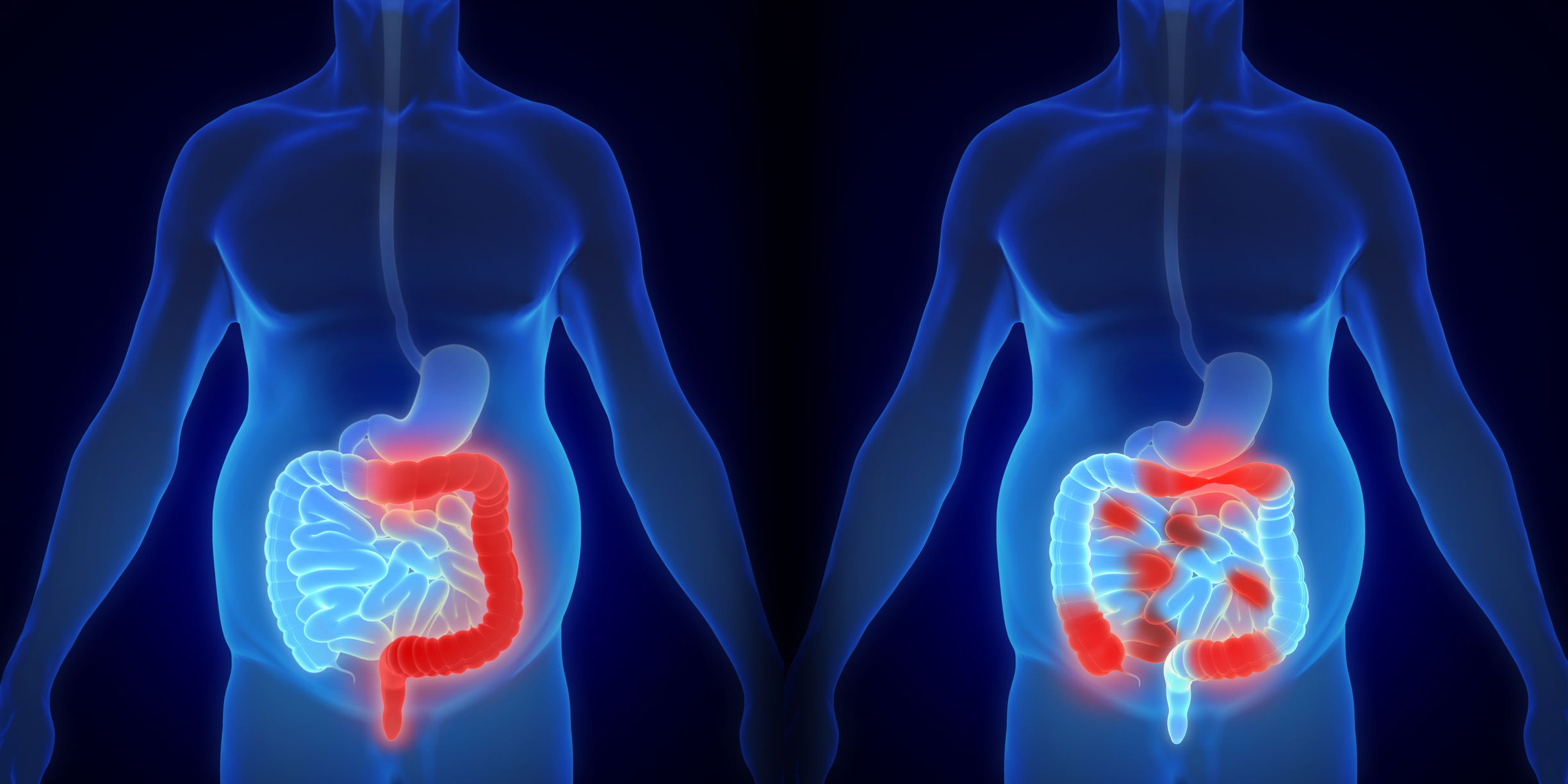
What Is Ulcerative Colitis?
Ulcerative colitis is a type of inflammatory bowel disease (IBD) that causes inflammation and ulcers in the colon and rectum. The condition is chronic, meaning it persists over time and involves cycles of flare-ups and remission. While its exact cause is unknown, UC is thought to result from an abnormal immune response combined with genetic and environmental factors.
Types of Ulcerative Colitis
Ulcerative colitis is classified based on the location and severity of inflammation:
-
Ulcerative Proctitis: Affects the rectum only. Symptoms include rectal bleeding and pain.
-
Proctosigmoiditis: Involves the rectum and sigmoid colon, causing diarrhea and abdominal cramps.
-
Left-Sided Colitis: Affects the descending colon. Symptoms include weight loss and severe diarrhea.
-
Pancolitis: Inflames the entire colon, often leading to intense abdominal pain, fatigue, and significant weight loss.
Symptoms of Ulcerative Colitis
Recognizing the symptoms of UC is crucial for early diagnosis and treatment. Common symptoms include:
-
Diarrhea: Often bloody and persistent.
-
Abdominal Pain and Cramping: Ranges from mild to severe.
-
Fatigue: Caused by inflammation and nutrient malabsorption.
-
Rectal Bleeding: A hallmark symptom of UC.
-
Unintended Weight Loss: Due to nutrient loss and reduced appetite.
How to Check for Ulcerative Colitis
Diagnosing UC typically involves a combination of tests to confirm inflammation and rule out other conditions. Methods include:
-
Blood Tests: Assess anemia and inflammation levels.
-
Stool Tests: Check for infection or inflammation markers.
-
Colonoscopy: Allows visualization of the colon and biopsy collection.
-
Imaging Studies: CT scans or MRI to evaluate bowel damage.
Treatment Options for Ulcerative Colitis
Treating ulcerative colitis involves managing inflammation, controlling symptoms, and preventing complications. The choice of treatment depends on disease severity, location, and individual response to therapy. Below are the key strategies for managing UC.
Medications for Ulcerative Colitis
Medications are the first line of treatment for UC. They aim to reduce inflammation, manage symptoms, and prevent flare-ups.
Aminosalicylates (5-ASAs):
These anti-inflammatory drugs target inflammation in the colon lining. Examples include mesalamine and sulfasalazine.
-
Benefits: Effective for mild to moderate UC.
-
Limitations: May not work for severe cases.
Corticosteroids:
Used for short-term relief during flare-ups, corticosteroids like prednisone reduce inflammation rapidly.
-
Benefits: Highly effective for acute symptoms.
-
Limitations: Not for long-term use due to side effects like osteoporosis and weight gain.
Immunomodulators:
Drugs like azathioprine and methotrexate suppress the immune system to reduce inflammation.
-
Benefits: Useful for patients unresponsive to other treatments.
-
Limitations: Increased risk of infections and liver complications.
Biologics for Ulcerative Colitis:
Biologics are advanced therapies targeting specific proteins involved in inflammation. Examples include infliximab and adalimumab.
-
Benefits: Effective for moderate to severe UC and for patients with other IBDs.
-
Limitations: High cost and potential for allergic reactions.
New Ulcerative Colitis Medications:
Recent advancements include JAK inhibitors like tofacitinib, which target immune pathways.
-
Benefits: Promising for patients resistant to traditional therapies.
-
Limitations: Potential side effects include blood clots and infections.
Infusion and Intravenous Treatments
Intravenous (IV) treatments involve administering medication directly into the bloodstream. Infusion therapies like infliximab or vedolizumab are common for UC patients unresponsive to oral medications.
Benefits:
-
Faster delivery of medication for severe cases.
-
Direct targeting of inflammation.
Limitations:
-
Requires hospital or clinic visits.
-
Can be costly without insurance coverage.
How to Calm Inflamed Intestines
Beyond medication, lifestyle changes and natural remedies can help soothe inflamed intestines during flare-ups. Strategies include:
-
Dietary Adjustments: Opt for low-residue diets to reduce bowel strain. Avoid foods that trigger symptoms.
-
Hydration: Stay hydrated to combat fluid loss from diarrhea.
-
Stress Management: Practices like yoga and meditation can reduce stress-induced symptoms.
-
Probiotics: Supplements can help balance gut bacteria.
Surgery for Ulcerative Colitis
Surgery is an option for patients with severe UC who do not respond to medications or develop complications like toxic megacolon. Types include:
-
Proctocolectomy: Removal of the colon and rectum.
-
Ileostomy: Creation of an external pouch for waste removal.
-
J-Pouch Surgery: Internal pouch formed from the small intestine to restore bowel function.
Comparing Treatment Options
When deciding on a treatment plan, it’s essential to consider the effectiveness, convenience, and potential risks. Below is a comparison of key treatment strategies:
|
Treatment
|
Benefits
|
Limitations
|
|
Aminosalicylates
|
Effective for mild cases
|
Less effective for severe UC
|
|
Corticosteroids
|
Rapid relief
|
Long-term side effects
|
|
Biologics
|
Targeted therapy for severe cases
|
High cost, allergic reactions
|
|
Infusion Therapy
|
Fast action
|
Requires clinic visits
|
|
Surgery
|
Permanent solution for severe cases
|
Risks of complications
|
Innovations in Ulcerative Colitis Treatment
Recent advancements in UC treatment focus on improving patient outcomes and reducing side effects. Key innovations include:
-
Personalized Medicine: Genetic testing to tailor treatment plans.
-
Microbiome Research: Exploring gut bacteria’s role in UC.
-
Cell Therapy: Using stem cells to repair intestinal lining.
-
AI Tools: Predicting flare-ups and optimizing treatment.
Questions and Answers
Q: Can ulcerative colitis be cured?
A: While there is no cure, effective treatments can manage symptoms and induce remission. Surgery can eliminate UC but requires lifestyle adjustments.
Q: What foods should I avoid during a flare-up?
A: Avoid high-fiber foods, dairy, spicy meals, and fatty foods. Opt for easily digestible options like rice, bananas, and lean proteins.
Q: Are biologics safe for long-term use?
A: Biologics are generally safe but require regular monitoring for side effects like infections or allergic reactions.
Q: How can I reduce stress to control colitis?
A: Stress management techniques, such as meditation, exercise, and therapy, can help reduce flare-ups.
Q: Is surgery always necessary for ulcerative colitis?
A: No, surgery is typically reserved for severe cases or complications unresponsive to medication.