
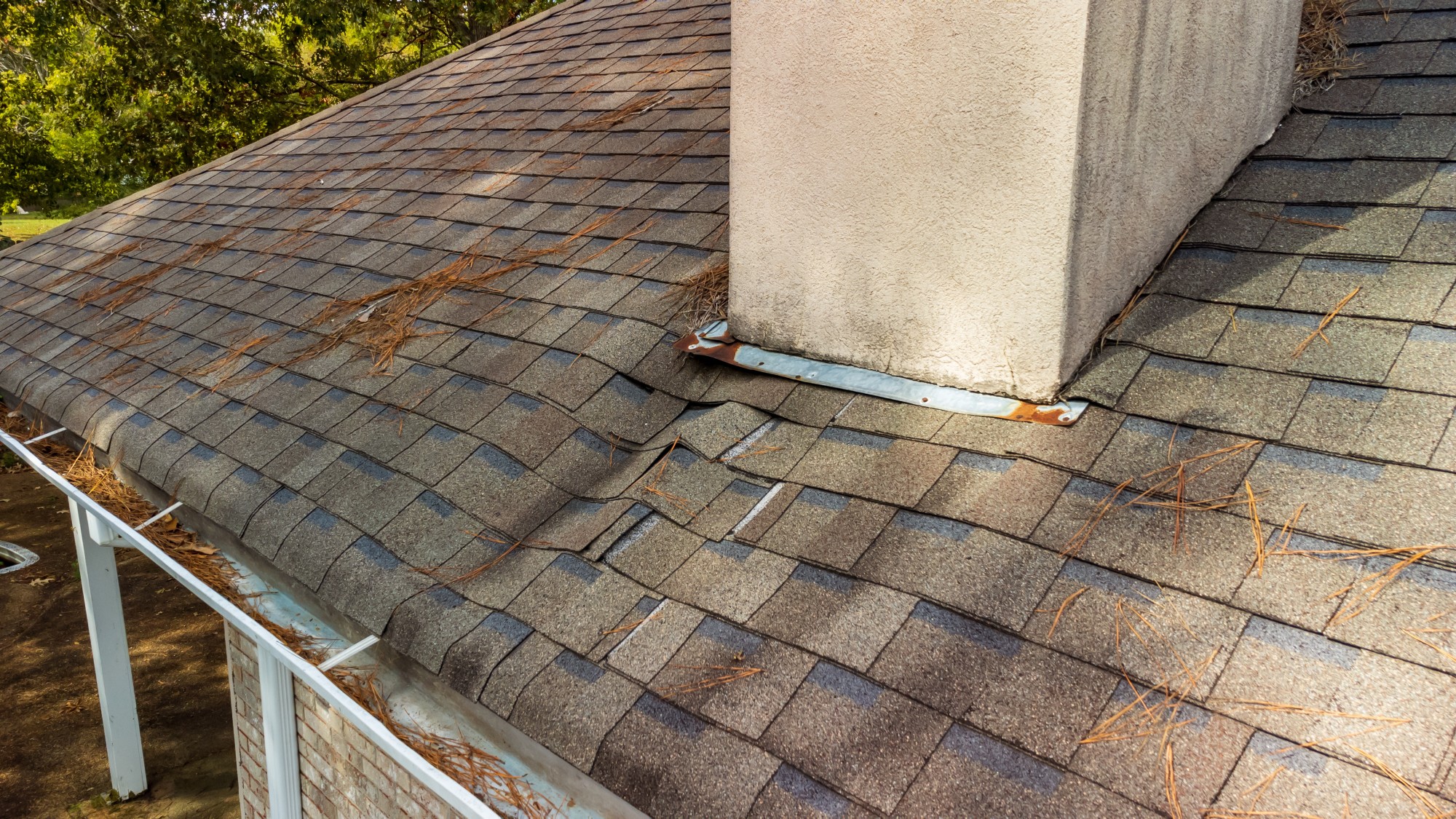
Understanding Roof Leaks
Common Causes of Roof Leaks
Roof leaks can stem from a multitude of factors, each necessitating specific attention and solutions. Identifying these causes is the foundational step in effective roof maintenance and repair.
Weather Conditions:
-
Wind-Driven Rain: This type of rain can seep into even the smallest gaps in roofing materials. It is particularly problematic for pitched roofs, where the angle can drive rain under shingles or tiles.
-
Severe Storms: Hail, heavy rainfall, and strong winds can cause immediate damage to roofing materials, potentially leading to leaks.
Age of the Roof:
-
Over time, all roofing materials degrade due to constant exposure to the elements. Shingles may crack, tiles may slip, and sealants can deteriorate, all contributing to potential leaks.
Improper Installation:
-
A roof that is not installed correctly can leave gaps where water can penetrate. This includes incorrect alignment of shingles, improper sealing, and inadequate flashing around roof penetrations.
Water Under Roof Tiles:
-
Clogged gutters and poor drainage can lead to water pooling on the roof, which can seep under tiles and cause leaks. This is often exacerbated by insufficient roof pitch or failing waterproof membranes.
Structural Damage:
-
Physical damage, such as from falling branches or other debris, can create openings in the roof surface. Even small penetrations can lead to significant water ingress over time.
The Impact of Roof Leaks
The implications of roof leaks extend far beyond mere inconvenience. They can have profound effects on the home and its inhabitants.
-
Structural Damage:
-
Prolonged exposure to water can cause wooden elements of the roof and home structure to rot. This not only weakens the roof's integrity but can also lead to ceiling collapse if left unaddressed.
-
Mold Growth:
-
Persistent moisture provides an ideal environment for mold, which can affect indoor air quality and pose health risks to residents, such as respiratory issues and allergic reactions.
-
Increased Energy Bills:
-
Water intrusion can compromise the effectiveness of insulation, leading to increased energy consumption for heating and cooling as the home becomes less efficient at maintaining temperature.
-
Property Value:
-
A home with a leaky roof can see a significant decrease in property value, as potential buyers are often wary of underlying issues that may require expensive repairs.
Solutions and Prevention Strategies
Regular Inspections and Maintenance
Routine inspections are key to preventing roof leaks and mitigating damage early.
-
Seasonal Checks:
-
Inspect your roof at the beginning of each season to identify any damage that may have occurred during previous weather events. Look for missing shingles, cracked tiles, and clogged gutters.
-
Professional Inspections:
-
Engage a professional roofing contractor at least once a year to conduct a thorough inspection. Professionals can spot issues that are not visible to the untrained eye and provide expert repair recommendations.
Effective Repair Techniques
Prompt and effective repair of identified leaks is crucial to prevent further damage.
-
Patch Repairs:
-
For minor leaks, patch repairs can be a cost-effective solution. These involve sealing the leak with appropriate materials such as roofing cement or waterproof sealant.
-
Replacing Damaged Shingles or Tiles:
-
If shingles or tiles are damaged beyond repair, replacing them promptly can prevent leaks from worsening. Ensure that replacements match the existing materials in both style and quality.
-
Sealant Application:
-
Apply water-resistant sealant to vulnerable areas, such as around chimneys, vents, and skylights, to provide additional protection against leaks.
Upgrading Roofing Materials
Consider upgrading to more durable materials that offer enhanced protection against leaks.
-
Metal Roofing:
-
Known for its longevity and resistance to extreme weather conditions, metal roofing can be an excellent investment for homeowners seeking durable roofing solutions.
-
Asphalt Shingles:
-
Modern asphalt shingles are designed to be more resistant to wind and rain, reducing the likelihood of leaks. They are also available in a variety of styles and colors to suit different aesthetic preferences.
Addressing Wind-Driven Rain
Wind-driven rain can pose a significant threat to roof integrity. Implement these strategies to mitigate its effects:
-
Install Wind Barriers:
-
Wind barriers can deflect wind, reducing the pressure on your roof and preventing rain from being driven under shingles or tiles.
-
Enhance Roof Design:
-
Ensure that your roof design includes proper slopes and overhangs that minimize water ingress. Consider installing drip edges to direct water away from the roof.
Competitive Products and Services
Several products and services are available to help manage and prevent roof leaks. Understanding these options can help homeowners make informed decisions about their roofing needs.
Roofing Leads in Texas
The Texas market is home to a variety of roofing services specializing in leak prevention and repair. These companies focus on local weather conditions, offering tailored solutions to address the unique challenges faced by homeowners in the region.
-
Local Expertise: Companies in Texas are well-versed in dealing with regional weather patterns and can provide insights and solutions that are effective in the local climate.
-
Comprehensive Services: Many roofing companies offer comprehensive services that include inspection, repair, and maintenance, ensuring that all aspects of roof care are covered.
Roof Leak Services
Numerous companies offer specialized roof leak services, ranging from initial inspection to comprehensive repair and ongoing maintenance. These services often come with warranties and guarantees for peace of mind.
-
Advanced Technology: Some companies use advanced technology, such as drones and thermal imaging, to conduct detailed inspections and identify leaks that may not be visible to the naked eye.
-
Customized Solutions: Roof leak services often provide customized solutions based on the specific needs and conditions of the homeowner's roof.
Pitched Roof Leak Solutions
Pitched roofs present unique challenges regarding leaks, but specialized services are available to address these issues.
-
Advanced Sealing Techniques: Companies specializing in pitched roofs often use advanced sealing techniques and materials that offer superior protection against leaks.
-
Design Considerations: These services also consider design modifications that can enhance the roof's ability to shed water effectively, reducing the likelihood of leaks.
Data and Analysis
Impact of Roof Leaks on Energy Bills (2022):
|
Scenario
|
Increase in Energy Bill (%)
|
|
Minor Leak
|
10
|
|
Moderate Leak
|
25
|
|
Severe Leak
|
50
|
Source: National Roofing Contractors Association
Questions and Answers
Q: How often should I inspect my roof for leaks?
A: It's recommended to perform a visual inspection each season and hire a professional once a year for a thorough assessment.
Q: Can I repair a roof leak myself?
A: While minor leaks can be patched up by handy homeowners, it's advisable to consult a professional for comprehensive repairs to ensure long-term effectiveness.
Q: What materials are best for preventing leaks?
A: Metal roofing and modern asphalt shingles are among the best options due to their durability and resistance to weather conditions.
Q: Is mold growth a concern with roof leaks?
A: Yes, mold can develop in areas affected by persistent leaks, posing health risks and requiring professional remediation.
Q: How can I protect my roof from wind-driven rain?
A: Installing wind barriers and ensuring proper roof design are effective strategies for reducing wind-driven rain impact.