
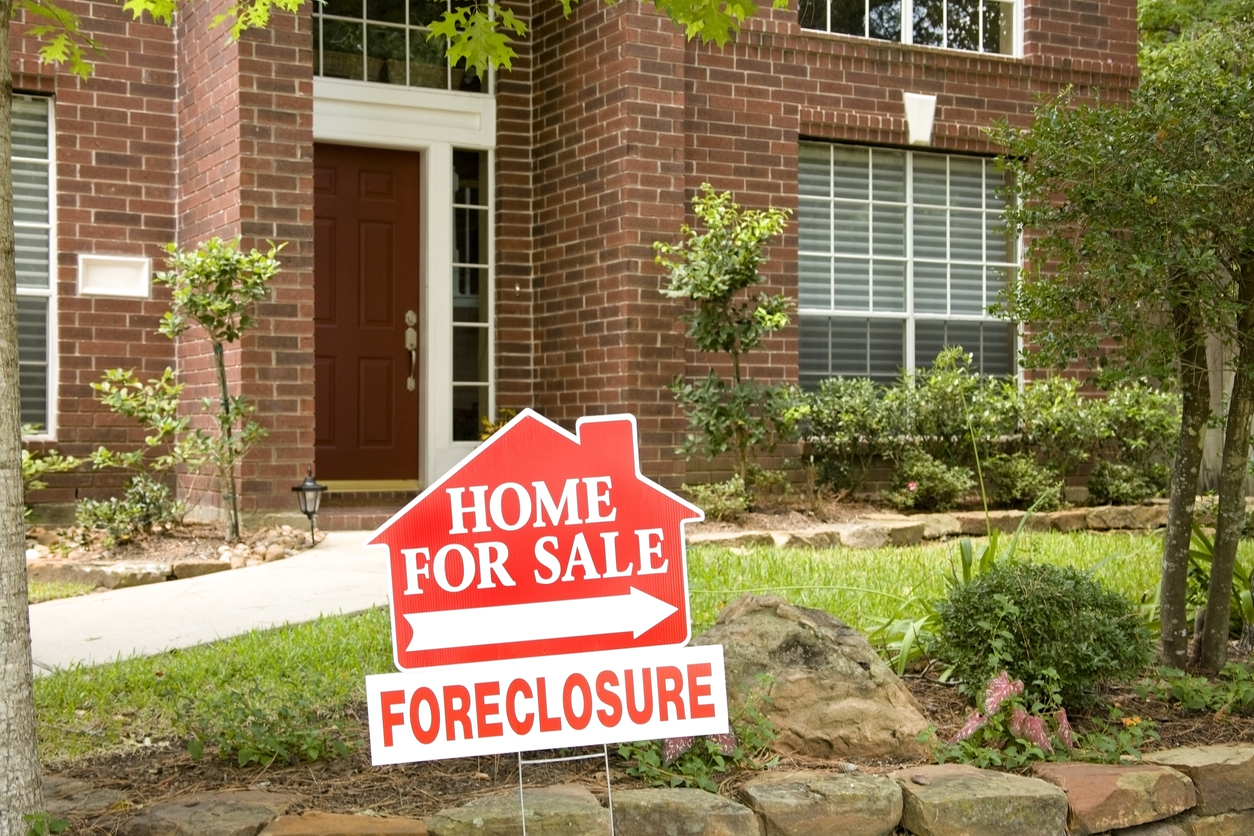
Understanding Foreclosure and Your Options
Foreclosure is a legal process initiated by lenders when homeowners fail to make their mortgage payments. This process can lead to the lender taking ownership of the property and selling it at auction to recover the outstanding loan balance. However, homeowners have several options to avoid this outcome, including selling the property themselves, negotiating with the lender, or exploring short sales.
The Foreclosure Timeline and Its Impact on Selling
The Pre-Foreclosure Period
The pre-foreclosure period is a critical window for homeowners looking to sell their property. During this time, the lender has sent a Notice of Default, indicating that the homeowner is behind on payments. Homeowners can still sell their home during this stage, potentially avoiding the foreclosure auction. This period varies by state, but it typically ranges from a few weeks to several months. Acting quickly is essential during this stage to maximize your options and minimize potential financial damage.
The Foreclosure Process
Once the foreclosure process begins, the timeline accelerates. In some states, the process can take as little as a few months, while in others, it may stretch over a year. Homeowners must act quickly to sell their property before the auction date is set. The auction is a critical stage, as the property is sold to the highest bidder, often resulting in a loss of equity for the homeowner. Understanding the specific foreclosure laws in your state is crucial, as they can significantly impact your timeline and options.
Strategies for Selling a House in Foreclosure
Communicating with Your Lender
The first step in selling a house in foreclosure is to communicate with the lender. Lenders may be willing to work with homeowners to avoid the complications and costs of a foreclosure auction. Homeowners should discuss their financial situation and explore options such as loan modifications, repayment plans, or short sales. Open and honest communication with your lender can help you find a mutually beneficial solution.
Short Sales: A Possible Solution
A short sale occurs when the lender agrees to let the homeowner sell the property for less than the outstanding mortgage balance. This option can help homeowners avoid foreclosure and minimize the impact on their credit score. Short sales require lender approval and may involve negotiating a reduced payoff amount. While short sales can be complex and time-consuming, they offer a viable alternative to foreclosure for many homeowners.
Working with Cash Buyers
Cash buyers specialize in purchasing homes in foreclosure and can offer quick, hassle-free transactions. These buyers can close deals quickly, often within days, providing immediate relief for homeowners. Cash buyers also purchase properties as-is, eliminating the need for costly repairs or renovations. For homeowners in a time-sensitive situation, working with a cash buyer can be a practical and efficient solution.
The Role of Professionals in the Process
Real Estate Agents
Real estate agents can be valuable allies in selling a home in foreclosure. They bring market expertise, effective marketing strategies, and strong negotiation skills to the table. However, traditional sales through agents can be time-consuming and may not be suitable for homeowners facing imminent foreclosure. Choosing the right real estate agent with experience in foreclosure sales can make a significant difference in the outcome.
Legal Experts
Navigating foreclosure involves complex legal considerations. Consulting with a foreclosure attorney can help homeowners understand their rights, negotiate with lenders, and avoid potential pitfalls. Legal experts can also assist with loan modifications, short sales, and other alternatives to foreclosure. Seeking legal advice early in the process can help you make informed decisions and protect your interests.
The Impact of Foreclosure on Credit
Foreclosure can significantly damage a homeowner’s credit score, often resulting in a substantial drop that can affect financial options for years. However, selling the property before foreclosure can mitigate some of this damage. Homeowners should also focus on maintaining other credit obligations and rebuilding their credit responsibly. Understanding the long-term impact of foreclosure on your credit is essential for planning your financial future.
Key Takeaways
You Can Sell a House in Foreclosure, but you need to act fast and carefully. Communicate with Your Lender to explore your options and see if they’ll work with you to sell the home. Understand the Foreclosure Timeline and how much time you have before the auction. Work with a Home Buying Company that has experience with foreclosure sales to guide you through the process. Consider a Short Sale if your home is worth less than what you owe, as it may help you avoid foreclosure and minimize damage to your credit.
Frequently Asked Questions
Can I sell my house if it’s already in foreclosure?
Yes, you can sell your house during the pre-foreclosure stage. It is crucial to act swiftly, as timelines are crucial in preventing a full foreclosure. The key is to communicate with your lender and explore your options quickly.
What is a short sale, and how does it work in foreclosure situations?
A short sale occurs when you sell your home for less than the remaining mortgage balance, with the lender's approval. This method can prevent a full foreclosure, though it may still impact your credit score. Short sales require lender approval and can be a complex process.
What happens if I don’t sell my house before the foreclosure auction?
If your home isn't sold before reaching foreclosure auction, it will be sold to the highest bidder. This can lead to the loss of any home equity and a significant negative impact on your credit score. Avoiding the auction is critical to minimizing financial damage.
Can a real estate agent help with a foreclosure sale?
Real estate agents can facilitate the sale of a home in foreclosure by leveraging their expertise and market knowledge. However, they do charge commission fees. As an alternative, cash buyers provide fast, commission-free cash offers. Choosing the right professional support is essential.
What are the possible impacts of foreclosure on my credit score?
Foreclosure can dramatically decrease your credit score and affect your credit history for up to seven years. The path to recovery involves maintaining other credit obligations, cautiously rebuilding credit, and consistently practicing financial discipline. Understanding and planning for the long-term impact on your credit is crucial.
Selling a house in foreclosure is a complex but achievable goal. By understanding the foreclosure process, communicating with lenders, and seeking professional help, homeowners can navigate this challenging situation. Whether through a short sale, working with a cash buyer, or negotiating with the lender, there are options available to help homeowners avoid the worst outcomes. Taking proactive steps and seeking expert advice can make a significant difference in your financial future.