
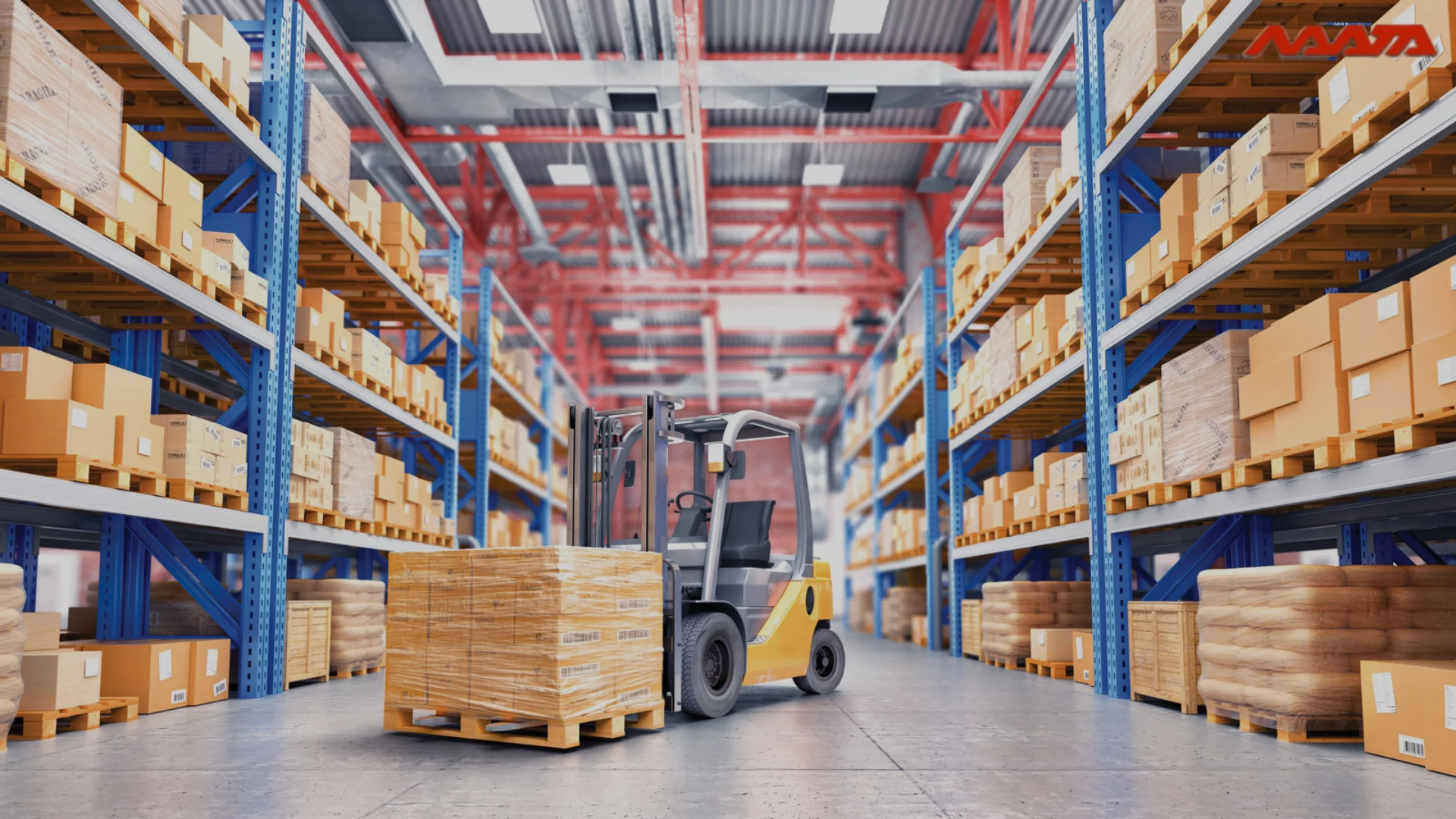
What Is a Warehouse Logistics System?
Warehouse logistics systems (WLS) are advanced solutions designed to manage and optimize the movement, storage, and tracking of goods within a warehouse. From inventory management to order fulfillment, these systems enhance efficiency across all supply chain operations.
Definition of Warehouse Logistics System
A warehouse logistics system is a collection of tools, technologies, and strategies that coordinate the storage, retrieval, and distribution of goods. The goal is to ensure maximum efficiency, reduce costs, and improve customer satisfaction.
Why Are Warehouse Logistics Systems Important?
With increasing consumer demands and complex supply chains, businesses need systems that streamline operations, minimize delays, and reduce errors. WLS achieves this by automating tasks, providing real-time insights, and enhancing overall productivity.
Key Components of Warehouse Logistics Systems
Warehouse logistics systems consist of various interconnected components that work together to ensure smooth operations.
1. Inventory Management
Tracks stock levels, locations, and movements in real-time to prevent overstocking or shortages.
2. Order Fulfillment
Automates the picking, packing, and shipping processes to reduce errors and improve speed.
3. Data Analytics and Reporting
Provides actionable insights into warehouse performance, helping businesses identify inefficiencies and optimize workflows.
4. Integration with ERP Systems
Connects with enterprise resource planning (ERP) tools like SAP for seamless data sharing across departments.
5. Automation and Robotics
Uses automated systems, such as conveyor belts or robotic pickers, to streamline operations and reduce manual labor.
6. Transportation Management
Coordinates the movement of goods within the warehouse and to external destinations.
Types of Warehouse Logistics Systems
Warehouse logistics systems come in various forms, each tailored to specific needs. Below are the primary types:
1. Manual Systems
-
Features: Paper-based or spreadsheet-driven systems for small-scale operations.
-
Applications: Suitable for startups or businesses with limited inventory.
2. Semi-Automated Systems
-
Features: Combines manual processes with basic automation, such as barcode scanning.
-
Applications: Ideal for medium-sized warehouses transitioning to full automation.
3. Fully Automated Systems
-
Features: Integrates robotics, AI, and IoT devices for end-to-end automation.
-
Applications: Best for large-scale warehouses with high-volume operations.
4. Integrated Logistics Systems
-
Features: Connects warehouse operations with other departments via ERP tools like SAP.
-
Applications: Designed for businesses looking for seamless interdepartmental coordination.
Benefits of Warehouse Logistics Systems
Investing in a warehouse logistics system brings significant advantages that impact both operations and profitability.
1. Improved Efficiency
Automated processes reduce manual errors and accelerate workflows.
2. Enhanced Accuracy
Real-time tracking ensures precise inventory levels and order fulfillment.
3. Cost Savings
Optimization minimizes waste, storage costs, and labor expenses.
4. Scalability
Systems can grow with your business, adapting to increased inventory or order volumes.
5. Better Decision Making
Data analytics provide insights that help businesses make informed operational choices.
6. Customer Satisfaction
Faster, error-free deliveries improve customer loyalty and brand trust.
Applications of Warehouse Logistics Systems
Warehouse logistics systems are used across various industries to solve unique challenges. Below are examples:
|
Industry
|
Application
|
Outcome
|
|
Retail
|
Managing seasonal inventory fluctuations
|
Prevents stockouts during peak seasons
|
|
Pharmaceuticals
|
Ensuring accurate storage conditions
|
Maintains regulatory compliance
|
|
E-commerce
|
Automating order fulfillment
|
Reduces delivery times
|
|
Manufacturing
|
Coordinating raw materials and finished goods
|
Minimizes production delays
|
|
Food and Beverage
|
Tracking perishable goods
|
Reduces waste and ensures food safety
|
(Source: Warehouse Logistics Magazine)
Warehouse Logistics Systems in the US
While warehouse logistics systems are used globally, their adoption varies based on regional needs and challenges.
US
-
The US leads in adopting advanced warehouse logistics systems, driven by high e-commerce demand.
-
Innovations include AI-powered systems, robotic pickers, and IoT-enabled warehouses for real-time data.
Warehouse Logistics Systems in SAP
SAP is a leading provider of ERP solutions that integrate warehouse logistics systems seamlessly.
Key Features
-
Real-time inventory tracking.
-
Automated workflows for order fulfillment.
-
Enhanced reporting and analytics.
Benefits
-
Reduces data silos by connecting warehouse operations with other departments like sales and procurement.
-
Provides scalability for businesses with growing inventory needs.
Cost Comparison: Manual vs Automated Warehouse Logistics Systems
Understanding the cost differences between manual and automated systems helps businesses choose the right option:
|
System Type
|
Average Cost (USD)
|
Best For
|
|
Manual Systems
|
$500 -$5,000
|
Small businesses with limited inventory
|
|
Semi-Automated Systems
|
$10,000 -$50,000
|
Medium-sized operations transitioning to automation
|
|
Fully Automated Systems
|
$100,000 -$500,000+
|
Large-scale warehouses with high-volume operations
|
|
Integrated SAP Systems
|
Custom Pricing
|
Businesses needing seamless data integration
|
(Source: Logistics Software Cost Analysis)
Emerging Trends in Warehouse Logistics Systems
Warehouse logistics systems are evolving to meet modern demands. Here are some trends shaping the industry:
1. Artificial Intelligence
AI-powered systems optimize inventory management, predict demand, and automate workflows.
2. IoT Integration
IoT devices provide real-time tracking of goods and equipment, improving transparency.
3. Sustainable Practices
Eco-friendly logistics systems reduce waste and energy consumption.
4. Blockchain Technology
Blockchain enhances transparency in the supply chain, ensuring secure documentation.
5. Smart Robotics
Robotic systems are becoming more intelligent, capable of autonomous navigation and complex tasks.
FAQs:
1. What is a warehouse logistics system definition?
It is a collection of tools and strategies that optimize warehouse operations, from storage to distribution.
2. Are warehouse logistics systems used in Sri Lanka?
Yes, Sri Lanka is gradually adopting these systems in key industries like apparel and tea.
3. How does SAP support warehouse logistics systems?
SAP provides ERP tools that integrate logistics systems with other business operations for seamless coordination.
4. What are the benefits of automated warehouse logistics systems?
Automation improves efficiency, accuracy, and scalability while reducing costs.
5. How much does a warehouse logistics system cost?
Costs vary from $500 for manual systems to over $500,000 for fully automated solutions.
Warehouse logistics systems are transforming supply chain operations across industries. Whether you’re a small business or a large enterprise, investing in the right system enhances efficiency, accuracy, and profitability. By understanding the components, applications, and emerging trends, businesses can make informed decisions to optimize their warehouses and meet consumer demands.