
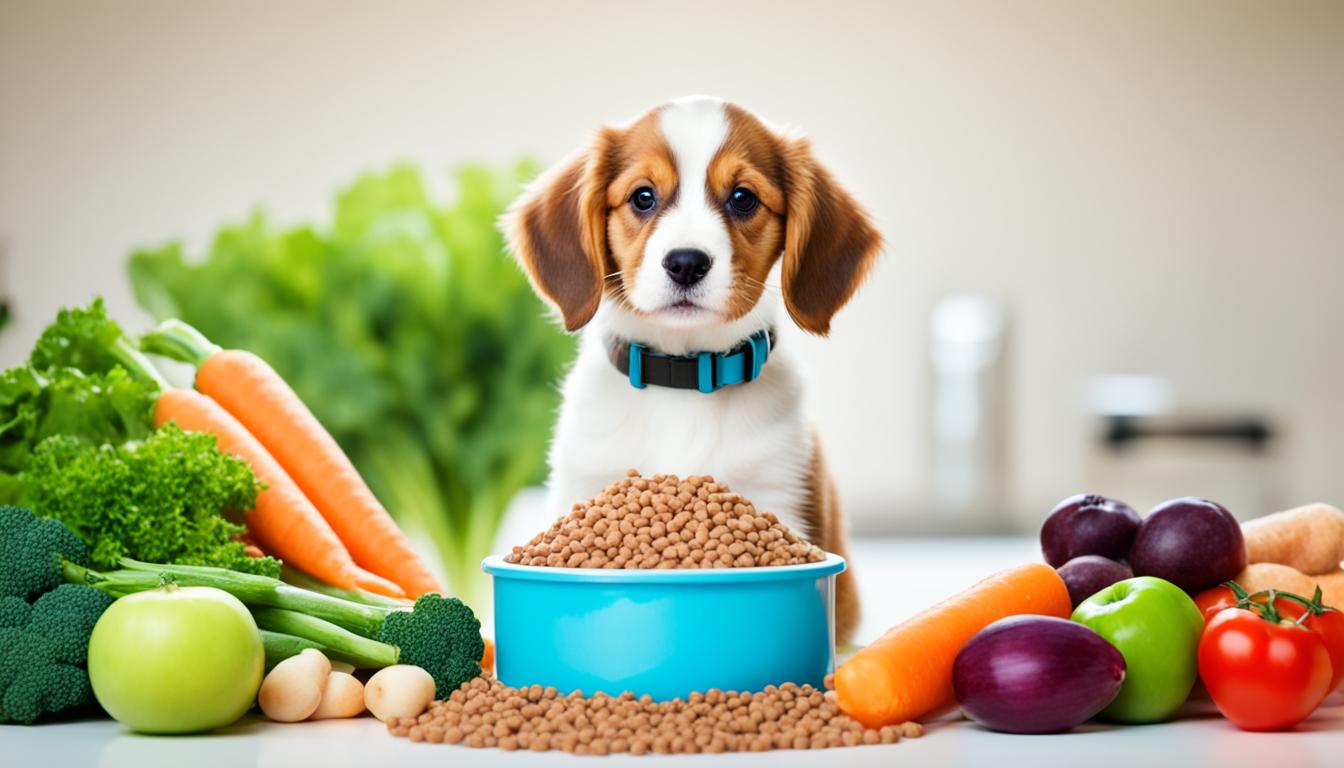
Understanding Puppies' Nutritional Needs
Puppies are in a rapid growth phase, and their nutritional requirements differ significantly from those of adult dogs. Their bodies are developing bones, muscles, organs, and a nervous system, all of which demand specific nutrients in appropriate amounts.
-
Protein: High - quality protein is the building block for a puppy's growth. It is essential for muscle development, tissue repair, and a strong immune system. Look for puppy foods where the first ingredient is a whole protein source like real chicken, beef, or fish.
-
Fat: Fat is a concentrated source of energy for puppies. It also plays a vital role in the absorption of fat - soluble vitamins (A, D, E, and K) and in maintaining healthy skin and a shiny coat. Puppy foods should contain an appropriate amount of fat, typically around 14% or more. Essential fatty acids, such as omega - 3 and omega - 6, are especially important for cognitive development and reducing inflammation.
-
DHA (Docosahexaenoic Acid): DHA, an omega - 3 fatty acid, is crucial for a puppy's brain and eye development. It helps in the formation of neural connections and can contribute to better learning ability and visual function. Many high - quality puppy foods are fortified with DHA.
-
Vitamins and Minerals: Puppies require a balanced mix of vitamins and minerals. Calcium and phosphorus are essential for strong bone development. However, it's important to note that for large and giant breed puppies, an improper balance of calcium (either too much or too little) can lead to orthopedic problems.
Types of Puppy Food
-
Dry Puppy Food:
-
Advantages: Dry food is convenient as it has a long shelf life and can be left out for the puppy to graze on (although it's better to establish a feeding schedule). It also helps with dental health as the crunchy texture can reduce plaque and tartar buildup on the puppy's teeth. Additionally, dry puppy food is often more calorie - dense, which is suitable for the high - energy needs of growing puppies.
-
Disadvantages: Some puppies may find dry food less palatable, especially if they are used to the softer texture of wet food or milk. Also, it has a lower moisture content, so it's important to ensure the puppy has access to plenty of fresh water.
-
-
Wet Puppy Food:
-
Advantages: Wet food has a higher moisture content, which can help keep the puppy hydrated. It is often more flavorful and appealing to picky eaters. The soft texture is also easier for very young puppies or those with dental issues to eat.
-
Disadvantages: Wet food has a shorter shelf life once opened. It can also be messier to serve and may contribute to more frequent stools due to its higher moisture content.
-
-
Homemade Puppy Food:
-
Advantages: Making your own puppy food allows you to have complete control over the ingredients. You can use fresh, high - quality meats, vegetables, and grains. This can be a great option if your puppy has specific dietary sensitivities or if you prefer to know exactly what your pet is consuming.
-
Disadvantages: Creating a nutritionally balanced homemade diet for puppies can be challenging. It requires careful research to ensure that all the necessary nutrients, in the right amounts, are included. There is also a risk of foodborne illness if proper food handling and cooking techniques are not followed.
-
Factors to Consider When Choosing Puppy Food
-
AAFCO Standards: The AAFCO sets nutritional standards for pet foods in the United States. When shopping for puppy food, look for products that have a nutritional adequacy statement on the label indicating that they are "complete and balanced" for the growth and development of puppies.
-
Ingredients: Read the ingredient list carefully. The ingredients are listed in order of weight, with the heaviest (and most abundant) ingredient listed first. Avoid foods that have a lot of fillers, artificial colors, flavors, or preservatives. Look for puppy foods that start with a high - quality protein source, followed by healthy carbohydrates, fats, and essential vitamins and minerals.
-
Breed and Size: Different breeds and sizes of puppies have different nutritional needs. Small breed puppies may need a more calorie - dense food to support their high energy levels and small stature. Large and giant breed puppies, on the other hand, require a diet that controls their growth rate to prevent orthopedic problems.
-
Palatability: Just like humans, puppies have different taste preferences. If your puppy refuses to eat a particular food, it won't get the necessary nutrients. You may need to try a few different brands or types of puppy food to find one that your puppy enjoys.
-
Price: Puppy food prices can vary widely. While it's important not to skimp on quality, you also don't need to break the bank. There are many affordable puppy food options that still meet high - quality nutritional standards.
Vet - Recommended Puppy Food Brands
-
Hill's Science Diet Puppy Small Bites Dry Dog Food: This brand is highly regarded by vets. It comes in small bites, which are easy for puppies to chew. The formula is designed to support a puppy's growth, with high - quality protein, DHA for brain development, and a balanced mix of vitamins and minerals. It is suitable for puppies of various breeds and sizes.
-
Purina Pro Plan Puppy Food Chicken and Brown Rice Entree: This canned food offers a good source of protein from chicken, along with brown rice for a balanced diet. It contains probiotics to aid in digestion, which can be beneficial for puppies with sensitive stomachs. The brand is well - known for its quality and is often recommended by veterinarians.
-
Iams Proactive Health Smart Puppy Dry Dog Food: Iams offers a cost - effective option that doesn't compromise on quality. It has real chicken as the first ingredient, providing a good source of protein. The food also contains omega - 3 fatty acids to support brain development, making it a great choice for puppies.
-
Royal Canin Small Puppy Dry Dog Food: Specifically formulated for small breed puppies, this food has a smaller kibble size that is easier for them to eat. It meets the higher energy needs of small breeds and contains a blend of antioxidants and vitamins to support a healthy immune system.
-
Purina Pro Plan Large Breed Dry Puppy Food: Geared towards large breed puppies, this food helps support healthy bone and joint development. It has a controlled amount of calories and an appropriate balance of nutrients to ensure large breed puppies grow at a healthy rate.
Comparison with Competitors
-
Generic vs. Brand - Name Puppy Foods:
-
Nutritional Quality: Brand - name puppy foods, especially those recommended by vets, often undergo rigorous testing and formulation by veterinary nutritionists. They are more likely to meet the AAFCO standards precisely and provide a balanced diet. Generic foods may vary in quality, and some may not contain the right amount of essential nutrients for proper puppy growth.
-
Ingredient Sourcing: Reputable brand - name foods usually source their ingredients from reliable suppliers. They are more likely to use high - quality proteins, healthy fats, and pure vitamins and minerals. Generic foods may use lower - quality ingredients or fillers to cut costs, which could potentially be less beneficial for a puppy's health.
-
Palatability: Brand - name puppy foods are often formulated with palatability in mind. They invest in research to make the food appealing to puppies, which can be important for ensuring your pet eats enough. Generic foods may not taste as good to puppies, leading to finicky eating habits.
-
-
Store - Brand vs. Premium Puppy Foods:
-
Formulation Expertise: Premium puppy foods are typically developed by companies with in - house veterinary nutritionists. These experts use the latest research to create formulas that are tailored to a puppy's specific needs. Store - brand foods may not have the same level of scientific formulation and may be more of a one - size - fits - all approach.
-
Ingredient Quality: Premium brands often use higher - quality ingredients. For example, they may use real, whole - meat proteins instead of meat by - products. Store - brand foods may rely more on cheaper ingredients, which may not provide the same nutritional value.
-
Price - Quality Ratio: While premium puppy foods are generally more expensive, they offer a higher quality product in terms of nutrition and ingredient quality. Store - brand foods may seem more affordable.
-
Chart
The following table shows the protein, fat, and DHA content in some popular vet - recommended puppy foods.
| Puppy Food Brand | Protein Content (%) | Fat Content (%) | DHA Content (mg per serving) |
| Hill's Science Diet Puppy Small Bites | 27 | 15 | 120 |
| Purina Pro Plan Puppy Chicken & Brown Rice | 28 | 18 | 150 |
| Iams Proactive Health Smart Puppy | 25 | 14 | 100 |
| Royal Canin Small Puppy | 24 | 16 | 130 |
| Purina Pro Plan Large Breed Puppy | 26 | 17 | 140 |
QA
Q: When should I start transitioning my puppy from milk to solid food?
A: Puppies typically start the transition from milk to solid food around 3 - 4 weeks of age. You can begin by offering them soft foods like puppy food soaked in warm water or milk replacer. Gradually increase the amount of solid food and decrease the milk over the course of a few weeks.
Q: Can I give my puppy human food?
A: In general, it's best to stick to puppy - specific food. Human foods can be high in salt, sugar, and other ingredients that are not suitable for puppies. Some human foods, like chocolate, onions, and grapes, are toxic to dogs. However, small amounts of certain healthy human foods, such as plain, cooked chicken or carrots, can be given as an occasional treat, but they should not replace a balanced puppy diet.