
Orchestrating the Night: Design and Atmosphere
Guiding Steps and Highlighting Textures
Designing a nighttime landscape is less about flooding the darkness with power and more about painting with luminescence. When illuminating the approach to a front porch or a winding backyard trail, the goal extends beyond avoiding a stumble. By creating a rhythmic arrangement of fixtures, you introduce depth and invitation to the space. Rather than installing tall, street-lamp style fixtures that cast a harsh, broad glare, consider knee-height bollards or ground-hugging puck lights. These lower-profile options provide a gentle wash across the pavement or grass, guiding the eyes—and the feet—naturally forward without causing temporary blindness. This subtle form of wayfinding transforms a simple walk from the driveway into a decompressed transition between the busy outside world and the sanctuary of home.
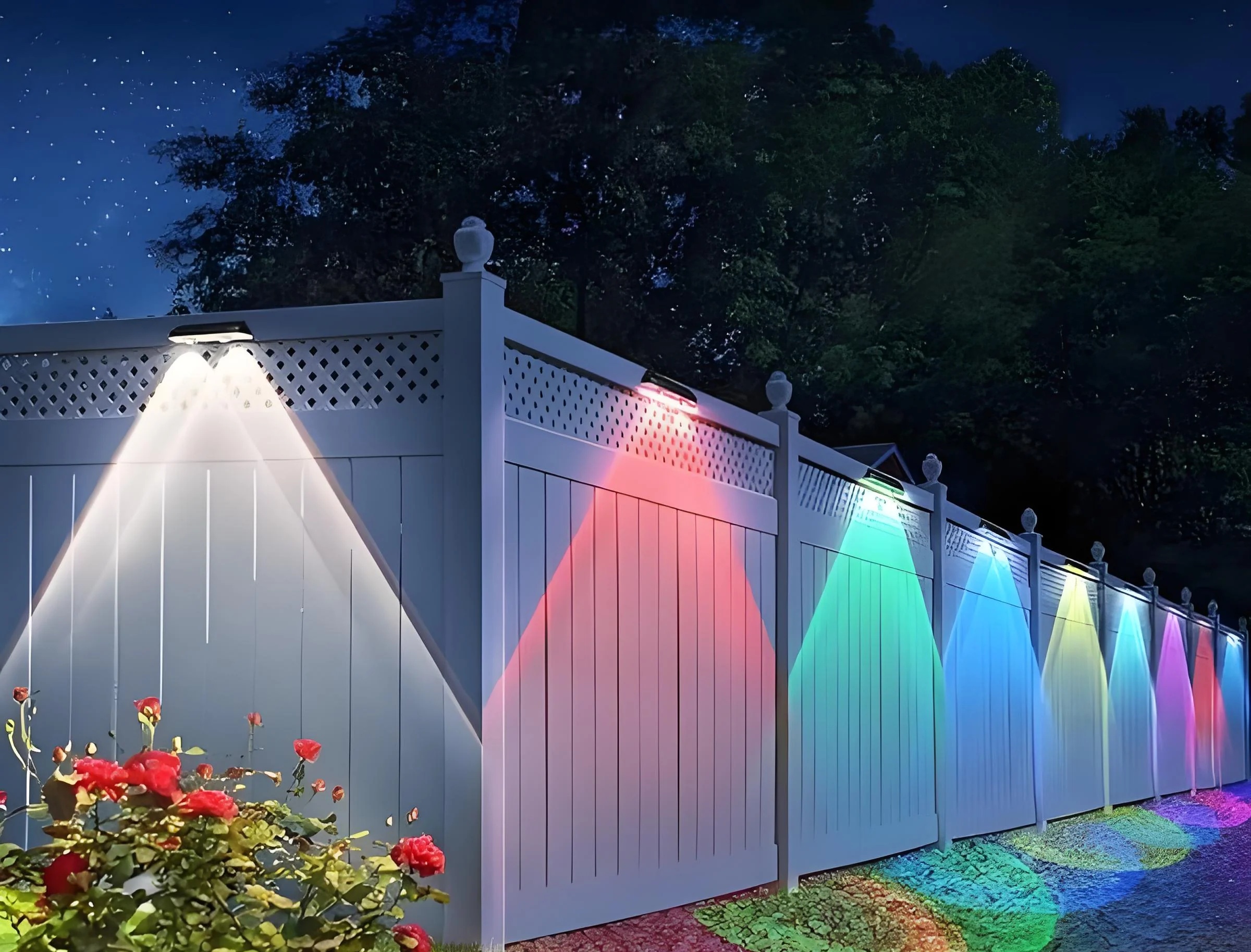
The strategy changes when addressing vertical surfaces. Using light to graze the side of a house or a garden fence can dramatically alter the perception of the property boundaries. If a wall features textured stone, brickwork, or weathered wood, positioning illumination to skim the surface highlights the peaks and valleys of the material. This technique creates dramatic shadows and lends a three-dimensional quality to what appears flat during the day. The fixture itself should essentially disappear; the objective is to celebrate the architectural details or the rugged nature of a retaining wall. This indirect glow adds a layer of sophistication, making the outdoor living area feel like an extension of the interior lounge rather than just a dark yard.
| Lighting Mood | Best Application Scenario | Visual Effect |
|---|---|---|
| Warm Amber (2700K) | Patios, dining areas, wood decks | Creates a cozy, campfire-like intimacy perfect for relaxing. Softens imperfections in wood and stone. |
| Soft White (3000K) | Pathways, flower beds, entryways | A neutral balance that renders colors naturally without feeling sterile. Welcoming but functional. |
| Cool White (5000K+) | Security perimeters, dark corners, driveways | High contrast and alertness. Mimics moonlight but can feel stark; best for areas where visibility is the priority. |
Silhouettes and the "Less is More" Philosophy
Vegetation offers one of the most dynamic canvases for solar-powered illumination. The technique of uplighting—positioning a spot at the base of a tree and aiming it upward—can turn a standard oak or maple into a living sculpture against the night sky. The approach requires tailoring the intensity to the specimen; a massive, ancient tree demands a powerful beam to reach its canopy, while a delicate Japanese maple or a wispy ornamental grass requires a softer, diffused glow to avoid washing out its fine details. A growing trend in landscape design involves respecting the darkness as much as the light. Dark-sky friendly fixtures, which direct beams downward and prevent upward light pollution, are becoming increasingly popular. They preserve the view of the stars and maintain a peaceful ambiance for neighbors, proving that a well-lit yard doesn't need to look like a landing strip.
There is a common misconception that higher wattage or lumen count always equals better performance. However, in a residential setting intended for relaxation, excessive brightness can be counterproductive. Blinding white light can destroy night vision, making the unlit areas seem ominously dark by comparison and ruining the mood of an evening gathering. The modern approach focuses on zoning: utilizing dimmer, warmer lights for seating areas to encourage conversation, and reserving brighter, clearer lights for functional tasks or security perimeters. Since these wire-free units are easily movable, homeowners have the freedom to experiment. You can place a lantern here or a spot there, observing how the shadows fall, and adjusting until the balance between highlight and shadow feels perfectly attuned to the evening's vibe.
Positioning for Power: Getting the Most Out of the Sun
Finding the Solar Sweet Spot
The most critical factor in the performance of any sun-harvesting device is its relationship with the sky. While the promise of "install anywhere" is appealing, the reality is that physics dictates performance. A unit placed in a shady fern grove or under the eaves of a porch might function, but its runtime will be severely compromised. To maximize the evening display, one must observe the sun's trajectory across the property. The goal is to locate the "prime real estate" where the panel receives direct, perpendicular rays for the majority of the midday hours, typically from 10 AM to 2 PM.
Morning sun or late afternoon light often lacks the intensity required to fully saturate the battery. If the fixture design allows, tilting the photovoltaic panel to face south (in the northern hemisphere) can significantly boost energy capture. Even a slight adjustment in angle can mean the difference between a light that fades by midnight and one that lasts until dawn. For wall-mounted units or lights intended for shady areas, models with separate remote solar panels offer a solution, allowing the collector to sit in the sun while the bulb illuminates a dark corner ten feet away. Treating the installation process as a strategic hunt for sunlight ensures the hardware lives up to its potential.
The "Set and Forget" Myth
While wire-free lighting is famously low-maintenance compared to low-voltage wired systems, it is not entirely "no-maintenance." The outdoor environment is a living, changing entity. A location that receives perfect sun in April might be deep in the shade of a fully leafed-out tree by July. Vegetation grows, and shadows shift with the seasons. A fast-growing hedge or a shifting branch can easily obscure a solar panel, cutting its efficiency in half. A quick monthly scan of the yard to trim back encroaching foliage ensures the charging cycle remains uninterrupted.
Furthermore, the sensors that govern the dusk-to-dawn operation require specific conditions to work correctly. These units rely on a photocell to detect darkness. If a unit is placed too close to a streetlamp, a neighbor’s floodlight, or even bright light spilling from a living room window, the sensor may be tricked into thinking it is still daytime, preventing the light from activating. Troubleshooting often involves simply moving the fixture a few feet or angling it away from artificial light sources. Additionally, a physical barrier of dust, pollen, bird droppings, or hard water deposits from sprinklers can form a film over the panel, blocking UV rays. A simple wipe-down with a damp cloth every few months restores the panel’s transparency and charging speed, protecting the investment and ensuring consistent brightness.
Beyond the Switch: Intelligence and Automation
Motion Sensing and Security Without Wires
Modern outdoor illumination has evolved far beyond static garden decor; it now serves as an intelligent component of home security and convenience. Motion-activated features have transformed how homeowners interact with their exterior spaces. Consider the common scenario of returning home with arms full of groceries. Instead of fumbling in the dark for keys or navigating a treacherous walkway, a strategically placed sensor light detects the approach and floods the area with visibility. This immediate response not only prevents trips and falls but also provides a psychological layer of safety, deterring potential intruders who prefer the cover of shadows.
The beauty of this technology lies in its simplicity. There is no need for timers, complex wiring diagrams, or hiring an electrician to run conduits under the driveway. The units operate autonomously, standing guard and conserving energy until it is needed. This "on-demand" lighting creates a responsive environment that feels high-tech without the hassle. Unlike traditional security floods that might annoy neighbors by staying on all night, solar motion lights are courteous, activating only when activity is detected and dimming or turning off when the coast is clear. This makes them ideal for side alleys, garage entrances, and rear gates where constant illumination isn't necessary, but instant visibility is crucial.
Dusk-to-Dawn and Adaptive Lighting
Beyond motion detection, the core convenience of solar technology is the automated dusk-to-dawn cycle. As the sun dips below the horizon, the voltage from the panel drops, triggering the controller to switch on the LEDs. Conversely, the rising sun triggers the shut-off and recharge phase. This seamless loop removes the mental load of remembering to flip switches. Whether the homeowner is present or on vacation, the house maintains a "lived-in" appearance, with lights cycling naturally every night.
Newer generations of these devices incorporate adaptive technology to manage battery life more intelligently. In the past, a cloudy week might result in dead lights. Today, smart controllers can detect low battery levels and automatically dim the output to extend the runtime, ensuring that some light is provided throughout the night rather than running at full brightness and dying early. Some models offer dual-mode functionality: glowing softly at a low level for ambiance (standby mode) and ramping up to full brightness when movement is detected. This hybrid approach balances the desire for an aesthetic nightscape with the practical need for security and visibility, maximizing the utility of the stored solar energy.
Built to Last: Weathering the Elements
Water Resistance and Material Strength
Since these fixtures live permanently outdoors, they must withstand an assault from the elements that goes far beyond a simple rain shower. When selecting lighting, the Ingress Protection (IP) rating is a key indicator of survival capabilities. For a device sitting on a lawn or mounted on a fence, it needs to resist not just falling rain, but also the pressurized spray from irrigation systems and the infiltration of dust and dirt. Fine particles can wreak havoc on internal circuitry if the seals are poor, leading to corrosion and failure. A unit designed with tight tolerances and high-quality gaskets ensures that moisture stays out, preventing the cloudy condensation inside the lens that plagues cheaper models.
Physical durability is equally important in a family-oriented yard. Garden lights are often subject to stray soccer balls, accidental kicks, or the bumps of a lawnmower. Brittle plastics can shatter upon impact, leaving sharp edges and exposed electronics. Materials like stainless steel, die-cast aluminum, or heavy-duty UV-stabilized ABS plastic offer far greater resilience. For the lens cover, while glass offers superior clarity, high-impact polycarbonate is often the smarter choice for ground-level pathway lights, as it resists shattering and can withstand the occasional knock without compromising the unit's integrity.
| Material Type | Pros | Cons | Ideal Use Case |
|---|---|---|---|
| Stainless Steel | Sleek modern look; highly resistant to rust (if high grade); very durable. | Can be more expensive; lower grades may pit or rust in salty coastal air. | Modern driveways, focal point path lights, humid environments. |
| ABS Plastic | Lightweight; resistant to impact; generally more affordable; will not rust. | Can fade or become brittle over years of intense UV exposure if not treated. | General garden beds, temporary setups, budget-friendly areas. |
| Aluminum | Excellent heat dissipation; sturdy and heavy; powder coating offers color variety. | Paint chips can lead to oxidation; heavier to install. | Permanent wall mounts, high-end spotlights, security fixtures. |
Surviving Temperature Extremes
The challenge for outdoor electronics extends to the invisible stress of thermal expansion and contraction. In many regions, a fixture might bake in 90-degree heat during the day and drop to near freezing at night. This cycle causes materials to expand and shrink. If the construction materials have different expansion rates—for example, a cheap plastic housing glued to a glass panel—the stress can cause cracks to form over time. These micro-fractures become entry points for water, eventually killing the light.
Furthermore, batteries are sensitive to temperature extremes. High heat can degrade battery capacity over time, while extreme cold can temporarily reduce voltage, making lights appear dimmer in winter. High-quality solar lights are engineered with battery compartments that offer some insulation and use lithium-ion or lithium-phosphate chemistries that are more stable across a wider temperature range than older nickel-cadmium types. Checking that a product acts as a sealed, cohesive unit with weather-resistant coatings ensures it won't just survive the first summer storm, but will remain a reliable part of the landscape for seasons to come.
Q&A
-
How do I choose the best solar outdoor lights for different areas of my yard?
Match brightness and function: use solar path lights for walkways, motion sensor lights near doors/driveways, spotlights for trees or façades, and string lights for ambiance; check lumens, beam angle, and run time before buying. -
What makes solar motion sensor lights effective for home security?
They combine bright, focused beams with motion detection to startle intruders and alert homeowners while saving energy by staying off when not needed; choose wide detection angles, adjustable heads, and waterproof housings for reliability. -
What should I look for in durable solar pathway lights that can handle U.S. weather?
Prioritize IP65+ waterproof rating, UV‑resistant materials, rust‑proof stakes, and larger batteries; in colder or snowy regions, choose higher‑efficiency panels and raised designs to prevent snow coverage and maintain consistent illumination. -
Are outdoor solar string lights bright enough for functional lighting or mainly decorative?
Most outdoor solar string lights are designed for ambiance rather than task lighting, so they’re ideal for patios, decks, and garden parties; for functional brightness, combine them with solar deck lights or spotlights around seating and cooking areas. -
How can I maximize performance of solar landscape lights and spotlights installed in shaded yards?
Place panels in the sunniest available spots, use separate panel/fixture designs when possible, keep panels clean, avoid mounting near night lighting that can confuse sensors, and consider higher‑capacity or adjustable solar outdoor spotlights to compensate.
References:
- https://www.gardenersworld.com/reviews/best-solar-lights/
- https://www.autoblog.com/deals/mihani-solar-outdoor-led-lights-amazon-sale
- https://www.homedepot.com/p/Hampton-Bay-Solar-15-Lumens-Silver-Integrated-LED-In-Ground-Disk-Path-Light-with-Textured-Lens-4-Pack-Weather-Rust-Resistant-62106/313932815