
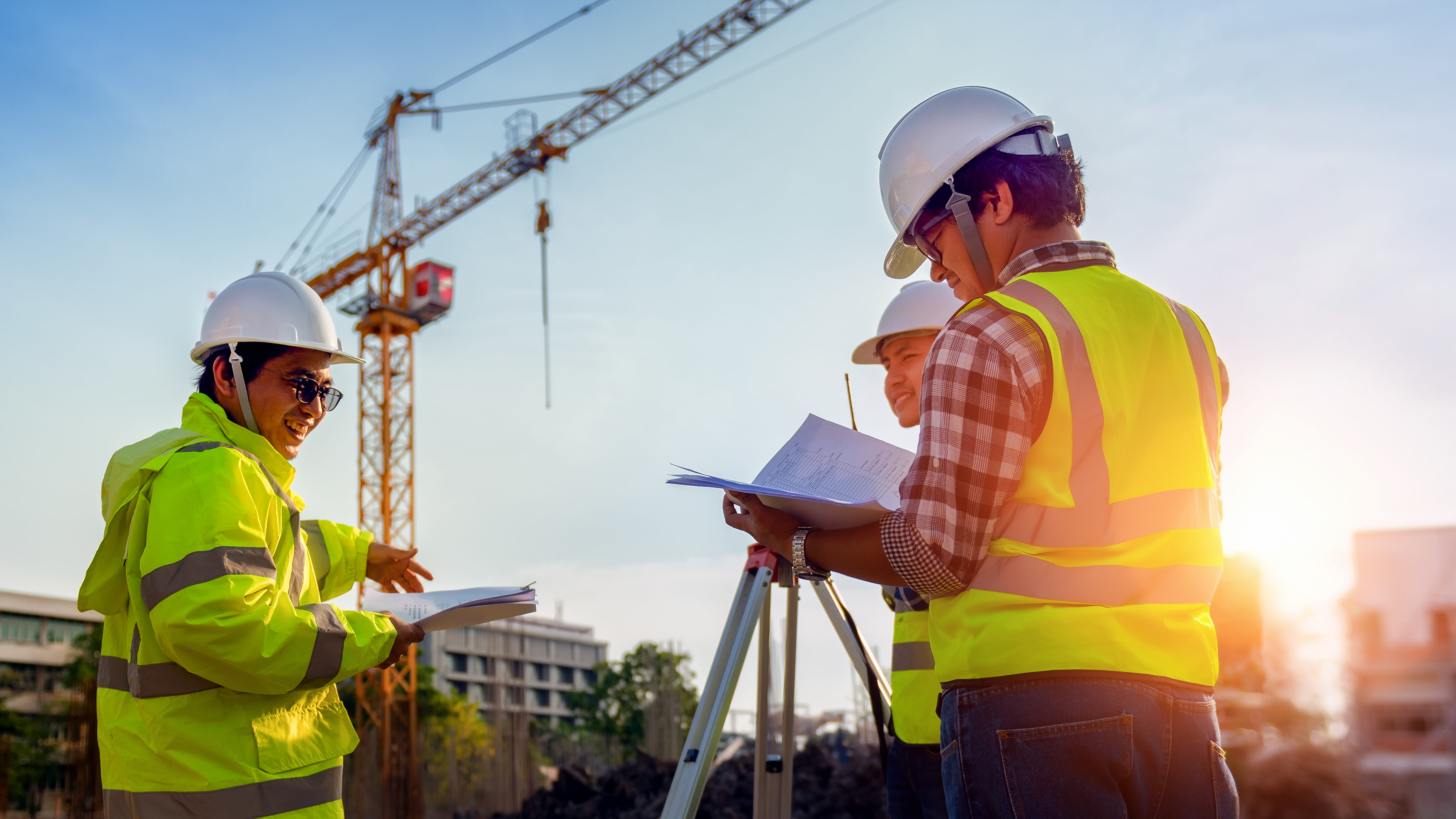
Understanding the Importance of Construction Site Security
Construction sites, bustling with activity and valuable resources, are vulnerable to various security threats that can lead to significant financial losses and project delays. Effective security measures are crucial for protecting assets, ensuring worker safety, and maintaining project timelines.
1. Preventing Theft and Vandalism
Construction sites often contain expensive equipment, materials, and tools, making them attractive targets for theft. Vandalism can also cause considerable damage and disruption. Implementing security measures such as surveillance systems, perimeter fencing, and access control can deter criminals and protect valuable assets. According to a 2024 report by the National Equipment Register (NER), construction equipment theft resulted in losses exceeding $1 billion annually in the United States.
2. Ensuring Worker Safety and Security
Construction sites can be dangerous environments, and security measures play a vital role in ensuring worker safety. Access control systems can prevent unauthorized individuals from entering the site, reducing the risk of accidents and injuries. Security personnel can also provide assistance in emergency situations and maintain order on the site. A safe and secure work environment improves worker morale and productivity.
3. Maintaining Project Timelines and Budgets
Security breaches can lead to project delays and cost overruns. Theft, vandalism, and accidents can disrupt work schedules and require costly repairs or replacements. By implementing effective security measures, construction companies can minimize these risks and keep projects on track. Investing in security is a proactive approach to protecting project timelines and budgets.
4. Complying with Regulations and Standards
Many jurisdictions have regulations and standards related to construction site security. These regulations may require specific security measures, such as perimeter fencing, lighting, and surveillance systems. Compliance with these regulations is essential to avoid fines and legal penalties. Furthermore, demonstrating a commitment to security can enhance a company's reputation and improve its ability to win contracts.
Roles and Responsibilities: The Job of a Construction Security Guard
Construction security guards play a vital role in protecting assets, preventing theft, and ensuring the safety of personnel and the public on construction sites. Their presence deters criminal activity and maintains order.
1. Access Control and Monitoring
A primary responsibility is managing site access. Security guards verify credentials, log entries and exits of workers and visitors, and prevent unauthorized access. They might use access control systems, monitor CCTV cameras, and conduct regular patrols to ensure only authorized individuals are on-site. This helps to reduce the risk of theft, vandalism, and other security breaches.
2. Preventing Theft and Vandalism
Construction sites are often targets for theft and vandalism due to the presence of valuable equipment and materials. Security guards actively deter these activities through visible patrols, monitoring vulnerable areas, and responding to suspicious behavior. They may also conduct routine checks of storage areas and equipment yards to identify and report any potential security weaknesses.
3. Enforcing Safety Regulations
Beyond security, guards often enforce site safety regulations. This includes ensuring workers wear appropriate personal protective equipment (PPE), monitoring compliance with safety protocols, and reporting any safety hazards. By promoting a culture of safety, security guards contribute to reducing accidents and injuries on the construction site.
4. Emergency Response
Construction security guards are often the first responders in emergency situations. They are trained to handle incidents such as fires, medical emergencies, and security breaches. Their responsibilities include contacting emergency services, coordinating evacuations, and providing initial assistance to those in need. Quick and effective emergency response can minimize damage and protect lives.
Technological Integration: The Role of Security Cameras in Construction
Security cameras have become indispensable tools in modern construction, offering enhanced monitoring and proactive risk mitigation on job sites.
1. Real-Time Monitoring and Surveillance
Security cameras provide continuous, real-time monitoring of construction sites, allowing project managers to oversee activities remotely. High-definition cameras equipped with features like pan, tilt, and zoom (PTZ) enable detailed observation of critical areas, ensuring compliance with safety protocols and efficient workflow management. Cloud-based systems offer accessible video feeds from any location, enhancing responsiveness to unforeseen events.
2. Deterrence of Theft and Vandalism
Construction sites are vulnerable to theft of materials, equipment, and tools, leading to significant financial losses. Visible security cameras act as a deterrent, discouraging potential thieves and vandals. Advanced systems with motion detection capabilities can trigger alerts and record suspicious activities, providing crucial evidence for investigations and insurance claims.
3. Enhancement of Safety and Compliance
Security cameras play a vital role in promoting safety on construction sites. They can be used to monitor adherence to safety regulations, identify potential hazards, and document incidents. Video footage serves as valuable training material for safety briefings and incident analysis, contributing to a safer work environment and reduced liability.
4. Remote Project Management and Documentation
Beyond security, cameras facilitate remote project management by providing visual documentation of progress. Time-lapse recordings offer a comprehensive overview of construction phases, aiding in progress tracking and stakeholder communication. This visual record can also be used to resolve disputes and provide evidence of work completed, ensuring transparency and accountability.
Comprehensive Services: Beyond Basic Security Measures
Construction security extends far beyond simple theft prevention, encompassing a range of services designed to protect assets, personnel, and project timelines. These comprehensive measures mitigate risks and ensure project success.
1. Advanced Surveillance Systems
Modern construction sites utilize advanced surveillance systems, including high-resolution cameras with night vision and remote monitoring capabilities. These systems not only deter theft and vandalism but also provide valuable documentation of site activities for safety and quality control purposes. Some systems incorporate AI-powered analytics that can detect unusual activity, such as unauthorized entry or equipment tampering, triggering immediate alerts to security personnel. This proactive approach enhances overall site security and minimizes potential losses.
2. Access Control Management
Controlling access to the construction site is crucial for preventing unauthorized entry and maintaining a secure environment. Access control management systems range from simple keycard entry to sophisticated biometric scanners. These systems track who enters and exits the site, creating a detailed audit trail. Integrated with time and attendance systems, they also ensure accurate payroll and prevent time theft. In 2024, many construction companies are integrating mobile access control, allowing workers to use their smartphones for site entry, further streamlining security processes.
3. Cybersecurity Measures
In today's digital age, cybersecurity is a vital component of construction security. Construction projects rely heavily on digital plans, communication systems, and project management software, making them vulnerable to cyberattacks. Comprehensive security measures include firewalls, intrusion detection systems, and regular security audits to protect sensitive data from breaches. Employee training on cybersecurity best practices is also essential to prevent phishing attacks and other forms of social engineering.
4. Emergency Response Planning
A well-defined emergency response plan is critical for ensuring the safety of personnel and minimizing damage in the event of an incident. This plan should outline procedures for responding to various emergencies, such as fires, accidents, and natural disasters. Regular drills and training exercises ensure that all personnel are familiar with the plan and know how to respond effectively. The plan should also include communication protocols for notifying emergency services and relevant stakeholders.
Advanced Systems: How Modern Security Systems Safeguard Sites
Modern construction sites face many threats, and advanced security systems offer robust protection by integrating various technologies to deter and detect potential issues.
1. Surveillance Technology
High-definition cameras with advanced analytics are crucial. These systems now incorporate AI-powered features that can distinguish between regular site activity and suspicious behavior. For instance, they can detect unauthorized entry, loitering in restricted zones, or unusual vehicle movement. Some systems even offer thermal imaging for nighttime surveillance and can trigger alerts based on pre-defined parameters. Real-time monitoring allows security personnel to respond swiftly to incidents, minimizing potential damage or theft.
2. Access Control Systems
Biometric scanners, keycard entry, and mobile access solutions are becoming increasingly common. These systems regulate who can enter the construction site and specific areas within it. Modern access control provides detailed audit trails, logging entry and exit times for each individual. This data is invaluable for investigations and can enhance accountability. Furthermore, integrated systems can automatically revoke access privileges for terminated employees or visitors after their scheduled departure.
3. Perimeter Security
Perimeter security systems include advanced fencing, intrusion detection sensors, and virtual tripwires. These technologies create a secure boundary around the construction site, preventing unauthorized access. Sensors can detect vibrations, pressure changes, or cuts in the fencing, triggering immediate alerts. Virtual tripwires use video analytics to create invisible barriers, alerting security personnel when someone crosses the designated line. These systems are especially useful for large or remote sites.
4. Drone Surveillance
Unmanned aerial vehicles (UAVs) are increasingly used for site monitoring. Drones equipped with high-resolution cameras can provide a bird's-eye view of the entire construction site, identifying potential security breaches or safety hazards. They can also be programmed to conduct regular patrols, recording video footage and thermal images. Drone surveillance is particularly effective for large, complex sites where traditional security measures may be limited. Real-time video feeds can be transmitted to a central monitoring station for immediate analysis and response.
Q&A
Question 1: What are the major security threats facing construction sites, and what are the potential consequences of inadequate security measures?
Answer: Construction sites face threats like theft of expensive equipment and materials, vandalism causing damage and disruption, and worker injuries due to unsafe conditions. Inadequate security leads to significant financial losses (e.g., over $1 billion annually in equipment theft in the US, according to the NER), project delays, and increased liability.
Question 2: How do security cameras contribute to enhancing safety and compliance on construction sites?
Answer: Security cameras provide real-time monitoring, deterring theft and vandalism. They also enhance safety by monitoring adherence to safety regulations, identifying hazards, and documenting incidents. The recorded footage serves as valuable training material and evidence for investigations, contributing to a safer work environment and reduced liability. The adoption rate of security cameras in construction is projected to increase to 72% in 2025, indicating their growing importance.
Question 3: Beyond basic security measures like cameras and fencing, what comprehensive services contribute to a more secure construction site?
Answer: Comprehensive construction security includes advanced surveillance systems with AI-powered analytics for proactive threat detection, robust access control management (including biometric scanners and mobile access solutions), cybersecurity measures to protect digital data, and well-defined emergency response plans with regular drills and training.
Question 4: What is the role of a construction security guard in maintaining site security and worker safety?
Answer: Construction security guards are responsible for access control, monitoring for theft and vandalism, enforcing safety regulations (including PPE usage), and acting as first responders in emergencies. Their visible presence deters crime, maintains order, and contributes to a safer work environment, improving worker morale and productivity.
References:
- https://www.securityguardsonly.com/jobs/us/new-york/johnson-security-bureau-inc/security-officer-construction-site-4/
- https://www.indeed.com/q-contractor-security-jobs.html
- https://jobs.aus.com/job/port-arthur/security-guard-lng-construction/22950/83060743040
- https://www.ziprecruiter.com/Jobs/Entry-Level-Security-Clearance-Construction