
Bridging the Gap Between Technology and Human Connection
The Vital Role of 24/7 Digital Responsiveness
When families begin looking for assistance with daily living or medical support for a relative, they are often operating in crisis mode. The need for information rarely adheres to standard business hours; in fact, many inquiries occur late at night after a hospitalization or during a weekend family gathering when a parent's decline becomes undeniable. In this high-stakes environment, the ability to provide an immediate response is a critical factor in building trust. This is where modern automation tools, such as sophisticated chatbots and automated scheduling systems, become indispensable assets for a growing business.
Implementing these tools ensures that a website acts as an always-on receptionist. Instead of a potential client encountering a static "contact us" form that might not be seen until Monday morning, they can engage with an intelligent system that answers frequently asked questions about service areas, insurance compatibility, or caregiver availability instantly. This immediacy helps de-escalate the family's anxiety. Furthermore, this automation serves a dual purpose: it liberates the agency's administrative staff from repetitive intake tasks. When care coordinators spend less time on basic phone triage, they can dedicate more energy to complex case management and supporting their caregivers, creating a virtuous cycle where operational efficiency directly contributes to higher quality human care.
Personalization Through Behavioral Insights
In the competitive US market, generic marketing messages often fall flat. Effective communication relies on delivering the right information at the precise moment of need. Unlike traditional "spray and pray" advertising, modern digital analytics allow agencies to understand the unique behaviors and latent needs of their website visitors. By utilizing tools similar to those used in advanced B2B sectors, agencies can analyze browsing history and engagement patterns to decipher the specific intent behind a visit. For instance, a user spending time on pages about "wandering" has a vastly different need than someone reading about "post-surgical recovery."
Leveraging this data allows for a highly personalized approach. An agency can tailor its follow-up messages or displayed content to address the specific condition or concern the visitor is researching. If data suggests a user is interested in dementia support, the system can automatically highlight memory care certifications and testimonials from similar cases, rather than generic companionship services. This level of customization fosters a sense of being "seen" and understood by the provider. It shifts the dynamic from a transactional sales pitch to a solution-oriented partnership, which is essential for establishing the long-term trust required in the care industry.
| Aspect | Generic Marketing Approach | Data-Driven Personalized Approach |
|---|---|---|
| Messaging Focus | Broad overview of all available services. | Specific solutions tailored to user behavior (e.g., Alzheimer's focus). |
| Timing | Scheduled blasts or passive waiting. | Triggered responses based on immediate user actions. |
| User Experience | One-size-fits-all information flow. | Curated content journey relevant to the user's current crisis. |
| Outcome | Lower engagement; user must dig for answers. | Higher trust; user feels the agency understands their specific struggle. |
Content Strategy for the Modern Family
Targeting the Adult Daughter and Son
A successful digital strategy must recognize that the primary target audience is frequently not the senior receiving care, but their adult children. Often referred to as the "Sandwich Generation," these individuals are balancing their own careers, raising children, and managing the declining health of aging parents. They are often overwhelmed, guilt-ridden, and pressed for time. Therefore, marketing efforts must speak directly to their pain points rather than simply listing service features.
Content should be framed as a solution to family burnout. Instead of just stating "we offer meal prep and light housekeeping," effective messaging explains how these services "allow you to return to being a daughter rather than a full-time caregiver." This shift in perspective is crucial. Articles and guides should address the complexities of the decision-making process, such as navigating difficult conversations with stubborn parents or understanding the financial intricacies of long-term care insurance in the US. By positioning the agency as a knowledgeable partner that relieves the burden on the entire family unit, the business moves beyond being a commodity and becomes a lifeline.
Visual Authenticity and Social Engagement
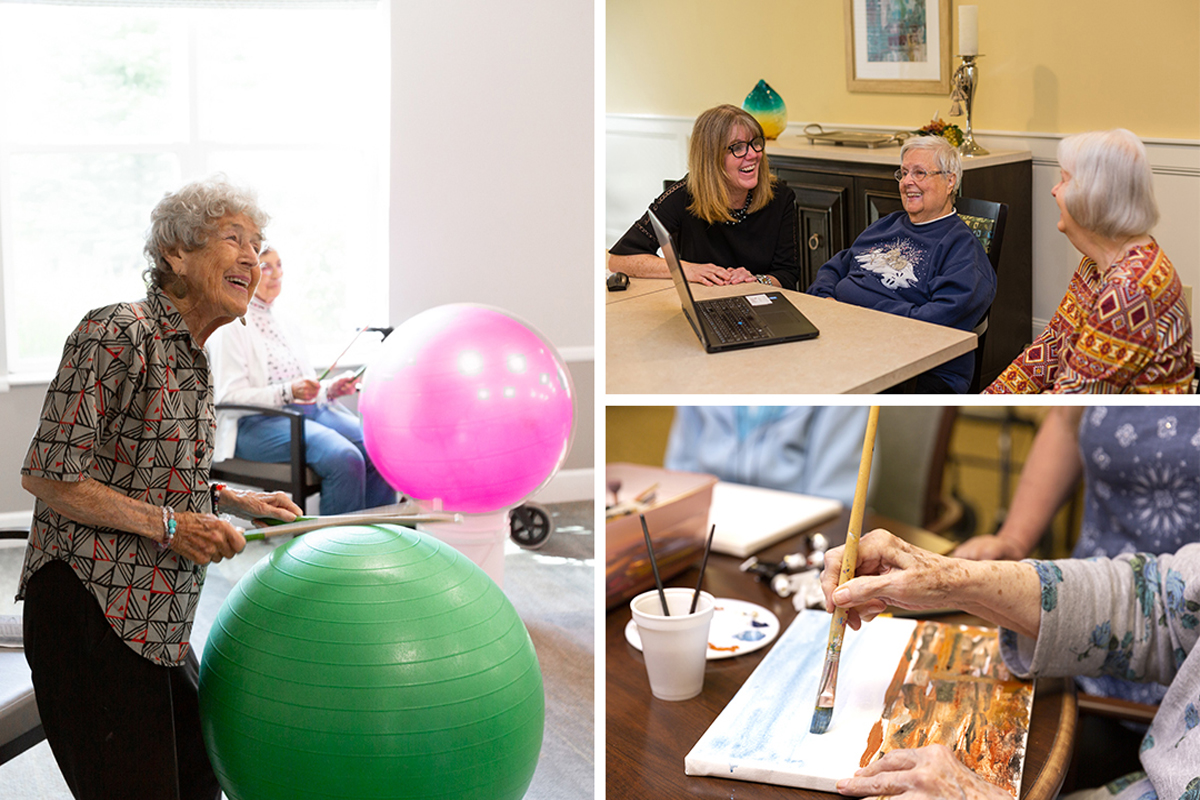
In an industry centered on intimacy and trust, stock photography can feel sterile and disingenuous. To truly connect with potential clients online, agencies must prioritize visual storytelling that features real staff and real interactions (with appropriate privacy consents). American consumers are increasingly savvy and can spot inauthentic content quickly. Showcasing the genuine warmth of a caregiver holding a client's hand, or the behind-the-scenes culture of the office staff, helps verify that the agency is populated by compassionate, real people.
Social media platforms serve as a dynamic window into the agency's daily life. It is not enough to post generic holiday greetings; effective social strategies involve sharing small wins, caregiver spotlights, and educational snippets that demonstrate expertise. For example, a short video tip from a registered nurse on "how to prevent falls at home" offers value upfront and establishes authority. Furthermore, engaging with comments and reviews publicly demonstrates transparency. When a family sees an agency responding kindly and professionally to feedback, it reassures them that communication lines will remain open should they choose to entrust their loved one to that provider.
Optimizing Visibility and Acquisition
Mastering Local SEO for Community Dominance
For home care providers, business is inherently local. It does not matter if a website ranks nationally if it is not visible to families in the specific towns and counties the agency serves. Dominating the local search ecosystem—specifically the "Map Pack" on Google—is arguably the most critical component of patient acquisition. This involves meticulous optimization of the Google Business Profile, ensuring that the service area, hours, and categories are accurate and comprehensive.
Beyond basic listings, a robust local strategy involves creating location-specific content. Families often search for "senior care in [City Name]" or "home aides near [Hospital Name]." By creating resource pages that discuss local senior centers, partnerships with local healthcare providers, or community-specific events, an agency signals to search engines that it is deeply embedded in the local fabric. Additionally, actively managing and encouraging reviews is vital. A steady stream of detailed, positive reviews mentioning specific caregivers or distinct services signals relevance and reliability to search algorithms, pushing the agency higher in results when it matters most.
Precision in Paid Advertising and Mobile Optimization
When organic reach takes time to build, paid advertising provides an immediate avenue to connect with high-intent seekers. However, because cost-per-click can be high in the healthcare sector, precision is key. Campaigns should be tightly geo-targeted to specific zip codes to avoid paying for clicks outside the service area. Furthermore, ad copy should align with the urgent nature of the search; someone searching at 6:00 AM likely has an immediate need, and ads should highlight "fast intake" or "immediate availability."
Crucially, all digital roads lead to the mobile experience. Since a significant portion of healthcare decisions are made in waiting rooms or on sofas via smartphones, the agency's website must be flawlessly mobile-optimized. If a stressed family member clicks an ad but faces a slow-loading site or tiny text that is hard to read, they will bounce immediately. Ensuring that "Click to Call" buttons are prominent and that forms are simple to fill out on a touchscreen can drastically improve conversion rates. Data hygiene is also essential here; ensuring that ads are not retargeting families whose loved ones have unfortunately passed away or moved to a facility is a matter of both budget efficiency and ethical sensitivity.
| Feature | Organic Search (SEO) | Paid Advertising (PPC) |
|---|---|---|
| Speed to Results | Slow; requires months of consistent effort. | Immediate; traffic starts as soon as the campaign launches. |
| Cost Model | "Free" clicks, but requires investment in content/time. | Pay per click; requires a dedicated monthly budget. |
| Trust Factor | High; users often trust organic rankings as endorsements. | Variable; recognized as ads, but effective for urgent needs. |
| Best Use Case | Building long-term brand authority and local presence. | Capturing immediate, high-intent leads during specific times. |
Q&A
-
How can Home Health Agency Marketing Services improve patient acquisition?
Home Health Agency Marketing Services can improve patient acquisition by leveraging data-driven strategies to identify and target potential clients. These services include optimizing online presence through SEO, utilizing social media platforms for engagement, and implementing pay-per-click campaigns to attract immediate attention. By focusing on creating personalized and relevant content, these services help build trust and establish a strong relationship with prospective patients.
-
What role does Digital Advertising play in Home Care Agency marketing?
Digital Advertising is crucial in Home Care Agency marketing as it allows for precise targeting and measurable results. It enables agencies to reach a wider audience through channels such as Google Ads, social media, and display advertising. This form of advertising helps in promoting specific services, generating leads, and maintaining a competitive edge in the market by analyzing campaign performance and adjusting strategies in real time.
-
What are effective Home Care Patient Acquisition Strategies?
Effective Home Care Patient Acquisition Strategies include a combination of digital marketing techniques and community engagement. These strategies involve utilizing content marketing to educate and inform potential clients, hosting webinars or local health fairs to engage with the community, and building partnerships with healthcare providers for referrals. Additionally, leveraging customer testimonials and success stories can build trust and influence decision-making among prospective patients.