
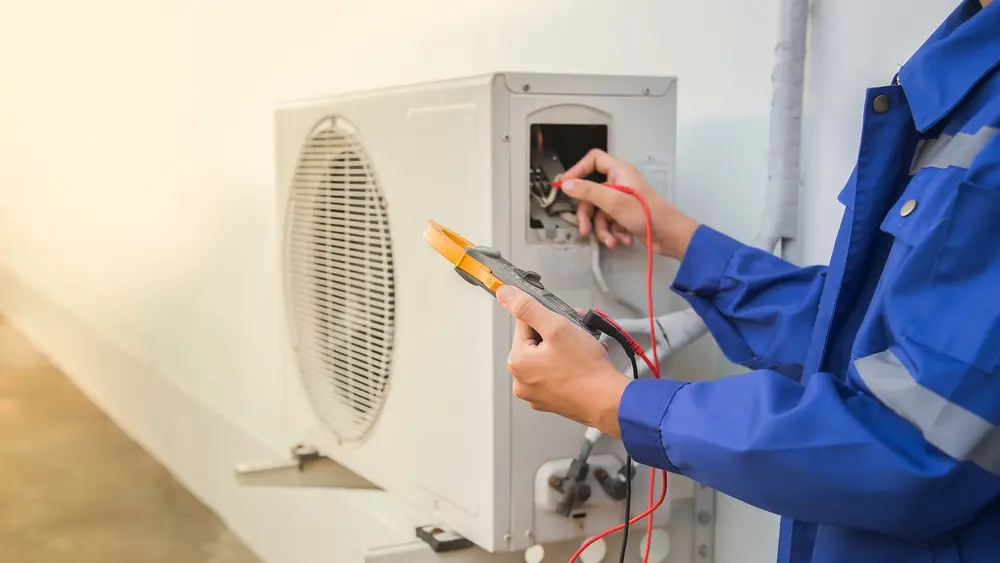
Decoding AC Jargon: Understanding Your System
Understanding the language used by AC technicians can seem daunting, but breaking down the key terms can greatly simplify things. By familiarizing yourself with these terms, you'll be better equipped to discuss your AC needs and understand the services being provided.
1. Key AC Components
Let's begin by identifying the main parts that make up your AC system.
- Compressor: The heart of your AC, circulating refrigerant and changing its pressure and temperature to facilitate cooling. "Compressor repair" often refers to a critical and potentially expensive fix.
- Condenser Coil: Releases heat extracted from inside your home, usually located outside. Keeping it clean is crucial for efficient operation.
- Evaporator Coil: Located inside, this coil absorbs heat from the air, cooling it before it's circulated back into your home.
- Refrigerant: The substance that absorbs and releases heat as it cycles through the AC system. Common types include Freon and newer, more environmentally friendly options.
- Air Filter: Traps dust, pollen, and other particles from the air. Regularly replacing the air filter maintains your AC's performance and improves indoor air quality.
2. Common AC Issues and Terminology
Now that you know the basic components, let's look at some common problems and the language used to describe them.
- Refrigerant Leak: A decrease in cooling performance can often indicate a refrigerant leak. Technicians use specialized equipment to detect and repair these leaks, and then recharge the system.
- Dirty Coils: When the condenser or evaporator coils become coated with dirt and debris, they can't effectively transfer heat, leading to reduced efficiency and higher energy bills. Cleaning these coils is a routine maintenance task.
- Frozen Coil: Occurs when the evaporator coil gets too cold and ice forms on it, blocking airflow. Possible causes include low refrigerant, a dirty air filter, or a malfunctioning blower motor.
- Blower Motor: Circulates air through the AC system and into your home. If it fails, you'll likely experience weak airflow or no airflow at all.
- SEER Rating: Stands for Seasonal Energy Efficiency Ratio. It's a measure of an AC unit's energy efficiency; the higher the SEER rating, the more efficient the unit.
3. Understanding Diagnostic and Repair Processes
Local AC service providers use specific methods to diagnose and fix AC problems. Understanding these processes can help you communicate more effectively with your technician.
- System Diagnostics: A thorough inspection of your AC system to identify any issues. Technicians use specialized tools and knowledge to assess the performance of each component.
- Preventive Maintenance: Regular maintenance can prevent many common AC problems. This typically includes cleaning coils, checking refrigerant levels, inspecting electrical connections, and replacing the air filter.
- HVAC (Heating, Ventilation, and Air Conditioning): This acronym refers to the entire system that controls the temperature, humidity, and air quality in your home or building. Understanding that AC is part of a larger system can help you appreciate the importance of integrated maintenance.
- Emergency AC Repair: Facing a sudden AC breakdown, especially during peak summer heat, requires prompt attention. Local services often offer emergency repair options to quickly restore your comfort.
Smart AC Choices: Energy Efficiency and Savings
Choosing the right AC system and utilizing smart technologies can make a significant difference in your energy consumption and overall comfort. From smart thermostats to innovative cooling solutions, there's a range of options to consider.
1. Smart Thermostats: A Revolution in Home Cooling
Smart thermostats are changing the way we manage our home's climate. These intelligent devices learn your habits and preferences, automatically adjusting the temperature to optimize energy use.
These thermostats can reduce energy consumption by 10-15% each year by optimizing heating and cooling cycles. Imagine being able to control your AC remotely, ensuring your home is perfectly comfortable when you arrive while avoiding unnecessary energy waste when you're away. Many utility companies even offer rebates to encourage adoption. Furthermore, integration with smart home systems makes it even easier to manage your home's energy use efficiently. The market for these devices is rapidly expanding, driven by consumers seeking cost-effective and sustainable AC solutions.
2. Next-Generation Cooling: Direct Air Cooling (DAC) Systems
Beyond traditional AC units, innovative technologies like Direct Air Cooling (DAC) systems are emerging as highly energy-efficient alternatives. These systems utilize outside fresh air in a controlled manner, drastically reducing reliance on conventional cooling methods.
DAC systems can slash cooling electricity use by over 75%. Because they are fan-based and use outside air, they are generally low-maintenance and often qualify for energy rebate programs. This technology isn’t just about saving energy; it can also enhance air quality and provide a reliable cooling option even during power outages, thanks to its DC power supply. Case studies are demonstrating their effectiveness in various settings, highlighting their role in smart, energy-saving AC strategies focused on both operational savings and environmental responsibility.
Maintaining Peak Performance: Preventative Care Tips
Keeping your air conditioning system running smoothly and efficiently is crucial. Think of your AC unit like your car – it needs regular check-ups and maintenance to avoid costly breakdowns and ensure it's performing at its best.
1. The Importance of Regular Maintenance
Just like any machine, your AC unit benefits from regular attention. Proactive maintenance is key to preventing unexpected breakdowns and keeping your system running efficiently. This includes simple tasks you can do yourself, as well as professional inspections and tune-ups. Neglecting maintenance can lead to decreased efficiency, higher energy bills, and eventually, the need for expensive repairs or even a complete system replacement.
2. Simple Steps for Homeowners
There are several simple preventative care steps that you, as a homeowner, can easily incorporate into your routine.
- Regular Filter Changes: This is arguably the most important and easiest task. A dirty air filter restricts airflow, making your AC unit work harder and less efficiently. It can also lead to the build-up of dust and allergens within your system, impacting air quality. Aim to change your filter every month or two, especially during periods of heavy use.
- Cleaning Coils: Over time, the condenser coils (usually located outside) can become dirty with debris. Use a garden hose (with a gentle spray) to clean away dirt, leaves, and other obstructions. Similarly, clean the evaporator coils (usually located inside) if accessible, but be cautious as they are delicate.
- Inspect Ductwork: Leaky ductwork can significantly reduce the efficiency of your AC system. Seal any visible leaks with duct tape or, for more significant issues, consider hiring a professional to seal and insulate your ducts.
- Check Thermostat Accuracy: Ensure your thermostat is accurately reading the temperature. If not, your AC unit may be running unnecessarily or not cooling your home effectively. Consider calibrating your thermostat or replacing it with a newer, more accurate model.
3. When to Call the Professionals
While some maintenance tasks are DIY-friendly, others require the expertise of a licensed professional. It's important to know when to call in the pros.
- Complex Repairs: Any complex repairs, such as refrigerant leaks, electrical issues, or problems with the compressor, should be handled by a qualified HVAC technician. Attempting to fix these issues yourself can be dangerous and may void your warranty.
- System Tune-Ups: Schedule annual or bi-annual tune-ups with a professional. During a tune-up, the technician will inspect all components of your AC system, clean and lubricate moving parts, check refrigerant levels, and identify any potential problems before they escalate.
- Early Detection of Issues: If you notice any unusual noises, smells, or performance issues with your AC unit, don't hesitate to call a professional. Early detection and repair can prevent minor problems from turning into major, costly repairs.
- Refrigerant Handling: The handling of refrigerants requires EPA certification. This ensures safe practices and prevents environmental damage. Never attempt to handle refrigerants yourself.
When Things Go Wrong: Troubleshooting Common AC Issues
Air conditioning systems are not immune to occasional hiccups. Understanding common problems and when to seek professional help is key to maintaining a comfortable and energy-efficient home environment.
1. The Case of the Defrosting Dilemma
Heat pumps are fantastic for year-round comfort, providing both cooling and heating. However, one common problem with heat pumps is a malfunctioning defrost cycle. When this happens, the system's efficiency drops, and your energy bills can skyrocket. This occurs because ice can build up on the outdoor unit, hindering its ability to absorb heat from the outside air. If you notice excessive ice buildup, reduced heating performance, or unusually high energy bills, it's time to call in a professional. Delaying repairs can lead to further damage and even more costly problems down the line.
2. AC Overload: When Cooling Becomes Costly
During those scorching summer months, it's tempting to crank up the AC to full blast. However, overworking your air conditioner can lead to several problems. First, it puts a strain on the system, potentially leading to frequent breakdowns. Second, it can significantly increase your energy bills. To prevent these issues, try to use your AC moderately. Avoid setting the thermostat to an excessively low temperature. Instead, use fans to circulate cool air and consider closing curtains or blinds during the hottest part of the day to reduce the load on your AC.
3. The High Cost of Neglect: Skipping Essential Maintenance
One of the biggest mistakes homeowners make is skipping regular AC maintenance. Just like a car, your air conditioner needs regular check-ups to ensure it's running smoothly. Neglecting maintenance can lead to a variety of problems, including reduced efficiency, increased energy bills, and costly repairs. Over time, dust and debris can accumulate within the system, restricting airflow and forcing the unit to work harder. This can lead to overheating and premature component failure. Furthermore, small problems that could have been easily fixed during a routine inspection can escalate into major issues if left unattended.
4. Ductwork Diagnostics: The Unsung Heroes of Air Distribution
While the AC unit itself often gets the blame for cooling problems, the ductwork plays a crucial role in distributing conditioned air throughout your home. Leaks, blockages, or poorly insulated ducts can significantly reduce the efficiency of your AC system. You might notice uneven cooling throughout your home, with some rooms feeling colder than others. Alternatively, you might experience higher energy bills without a noticeable improvement in comfort. It's important to consider the ductwork when diagnosing AC problems.
5. Listen Carefully: Warning Signs Your System Needs Attention
Paying attention to unusual sounds or odors coming from your AC or heating system can save you from major headaches down the line. A sudden increase in noise levels, such as banging, rattling, or hissing sounds, can indicate a mechanical problem. Similarly, strange odors, such as burning smells or musty odors, can signal electrical issues or mold growth. Addressing these warning signs promptly can prevent system breakdowns and ensure the safety of your home.
Q&A
-
What should I consider when choosing a local AC service provider in Houston?
When selecting a local AC service provider in Houston, it's essential to evaluate their expertise in both residential and commercial systems, as the climate can present unique challenges such as humidity and heat. Look for providers with strong customer reviews, certifications, and comprehensive service offerings, including maintenance, repair, and energy-efficient upgrades. Local providers often have a better understanding of the specific environmental challenges in Houston, such as the need for systems that can handle high humidity efficiently.
-
How can local AC services contribute to energy savings in my home?
Local AC services can enhance energy savings by offering solutions such as smart thermostat installations and energy-efficient system upgrades. Technicians can assess your current setup to identify inefficiencies and recommend improvements, such as sealing ductwork or installing high-SEER (Seasonal Energy Efficiency Ratio) units. Additionally, they can provide guidance on utility rebates and incentives available in the U.S. to offset the cost of energy-efficient upgrades.
-
What are some common AC issues that might require professional attention?
Common AC issues that warrant professional intervention include refrigerant leaks, compressor problems, and electrical faults. These problems can lead to decreased system performance and increased energy consumption. It's crucial to have a professional diagnose and repair these issues to ensure safety and system efficiency. Regular maintenance by a qualified technician can also prevent such problems from escalating.
-
Why is regular maintenance important for AC systems in commercial settings?
Regular maintenance for commercial AC systems is vital to ensure reliability and efficiency, especially in environments with high cooling demands such as office buildings or retail spaces. Routine checks can prevent unexpected breakdowns, minimize downtime, and extend the lifespan of the system. This is particularly important in Houston, where businesses rely heavily on air conditioning to maintain comfort for employees and customers.