
Understanding Breast Cancer Types
Her2 - Positive Breast Cancer
HER2 (human epidermal growth factor receptor 2) is a protein on breast cells. In Her2 - positive breast cancer, the cancer cells make too much of this protein. These cancers tend to grow and spread more quickly compared to some other types. However, the discovery of Her2 has led to the development of targeted therapies that can be highly effective. For example, Herceptin (trastuzumab) is a well - known drug that specifically targets the Her2 protein. It attaches to the Her2 receptors on cancer cells, blocking the cell's ability to receive growth signals and marking it for destruction by the immune system. The five - year relative survival rate for women with early - stage Her2 - positive breast cancer, when treated with appropriate therapies, is around 90% according to the American Cancer Society.
Her2 - Negative Breast Cancer
In contrast, Her2 - negative breast cancers do not overproduce the Her2 protein. This group includes several subtypes, such as triple - negative breast cancer (which is negative for Her2, estrogen receptors, and progesterone receptors) and luminal - type breast cancers (which are positive for hormone receptors). Treatment for Her2 - negative breast cancer often focuses on hormone - based therapies if the cancer is hormone - receptor - positive. For triple - negative breast cancer, chemotherapy has been the mainstay of treatment, as there are currently no targeted therapies as effective as those for Her2 - positive or hormone - receptor - positive cancers. The survival rate for triple - negative breast cancer can be lower, especially in advanced stages, with a five - year relative survival rate of around 12% for stage IV disease.
Invasive Ductal Carcinoma
Invasive ductal carcinoma is the most common type of breast cancer. It starts in the milk ducts of the breast and then invades the surrounding breast tissue. Treatment typically depends on factors like the stage of the cancer, hormone receptor status, and Her2 status. For early - stage invasive ductal carcinoma, surgery such as a lumpectomy (removal of the tumor and a small amount of surrounding tissue) or mastectomy (removal of the entire breast) may be the first step. This may be followed by radiation therapy, chemotherapy, or hormone therapy, depending on the characteristics of the cancer.
Treatment Modalities
Surgery
Surgery is often a primary treatment for breast cancer. The choice between a lumpectomy and a mastectomy depends on several factors, including the size and location of the tumor, the patient's overall health, and personal preferences. A lumpectomy is generally preferred when the tumor is small and can be completely removed while preserving a reasonable amount of breast tissue. Mastectomy may be recommended for larger tumors, multiple tumors in the same breast, or when the patient has a high risk of recurrence. In some cases, a woman may also choose prophylactic mastectomy if she has a very high genetic risk of breast cancer, such as having a BRCA1 or BRCA2 gene mutation.
Radiation Therapy
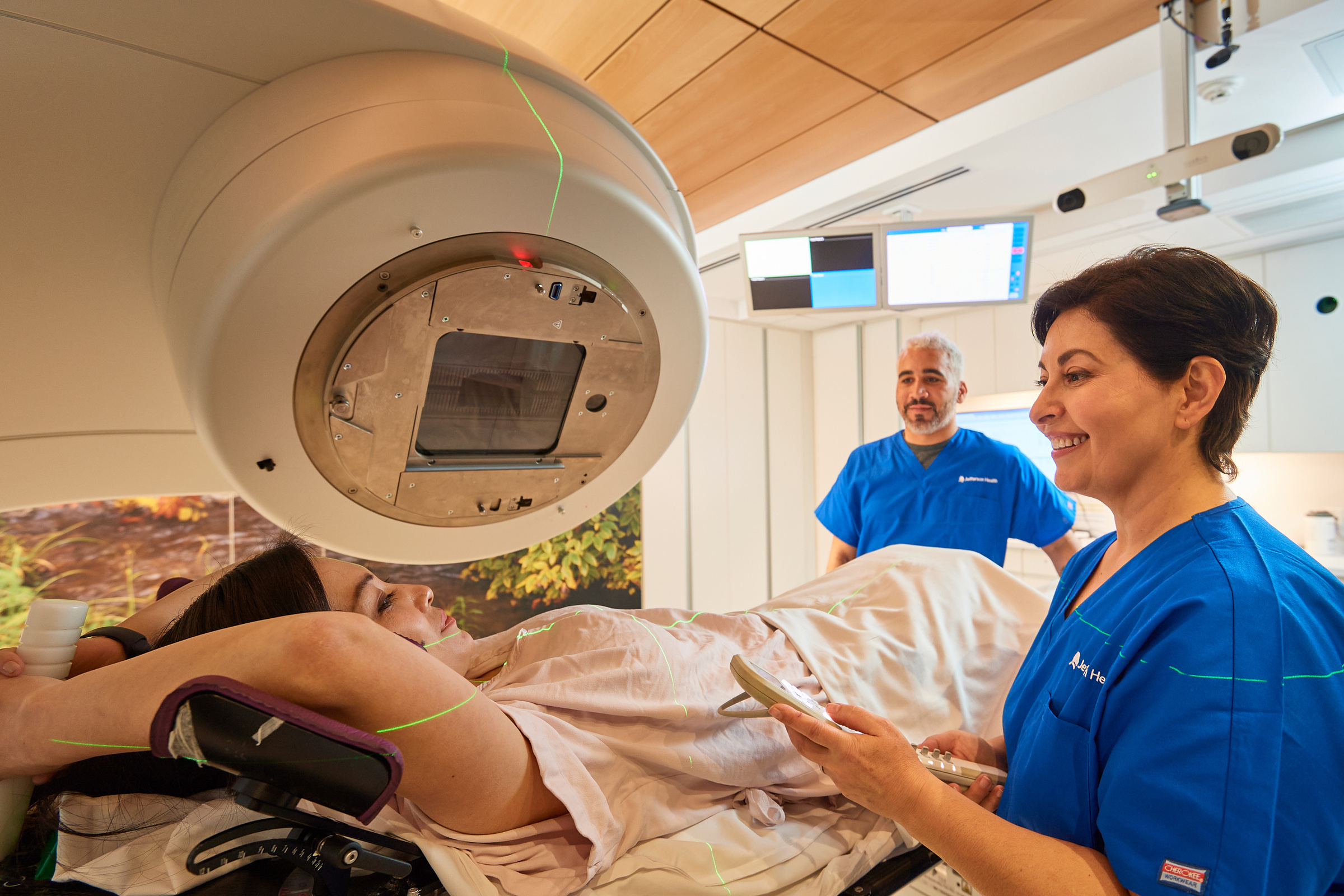
Radiation therapy uses high - energy rays to kill cancer cells. After breast - conserving surgery (lumpectomy), radiation therapy is usually recommended to reduce the risk of cancer recurrence in the remaining breast tissue. It can also be used after a mastectomy, especially if the cancer has spread to the lymph nodes or if the tumor is large. External beam radiation is the most common type, where a machine outside the body directs radiation at the breast area. There is also internal radiation (brachytherapy), where a radioactive source is placed inside the body, close to the tumor site. Radiation therapy can have side effects, including skin changes in the treated area, fatigue, and in some cases, a small increased risk of developing other health problems in the long - term.
Chemotherapy
Chemotherapy drugs are used to kill cancer cells throughout the body. It can be given before surgery (neoadjuvant chemotherapy) to shrink the tumor, making it easier to remove, or after surgery (adjuvant chemotherapy) to kill any remaining cancer cells. Chemotherapy is often used for breast cancers that are larger, have spread to the lymph nodes, or are of a more aggressive type. The drugs work by interfering with the cancer cells' ability to divide and grow. However, chemotherapy also affects normal, healthy cells, which leads to side effects such as hair loss, nausea, vomiting, fatigue, and a weakened immune system. There are different types of chemotherapy drugs, and the treatment plan is tailored to the individual patient's cancer characteristics.
Hormone Therapy
Hormone therapy is used for breast cancers that are hormone - receptor - positive, meaning the cancer cells have receptors for estrogen or progesterone. Hormone - blocking drugs are used to stop the hormones from attaching to the cancer cells or to lower the body's production of these hormones. For example, tamoxifen is a drug that blocks the estrogen receptor, preventing estrogen from binding to the cancer cells. Aromatase inhibitors, such as letrozole and anastrozole, are used in post - menopausal women. They work by blocking the enzyme aromatase, which the body uses to produce estrogen. Hormone therapy is usually taken for several years and can significantly reduce the risk of cancer recurrence in hormone - receptor - positive breast cancer.
Targeted Therapy
Targeted therapies are drugs that specifically target certain molecules or proteins that are involved in the growth and spread of cancer cells. As mentioned earlier, Herceptin is a targeted therapy for Her2 - positive breast cancer. Another example is Palbociclib, which is used in combination with hormone therapy for hormone - receptor - positive, Her2 - negative advanced breast cancer. Palbociclib works by blocking a protein that helps cancer cells divide. Targeted therapies generally have fewer side effects compared to chemotherapy, as they are more selective in their action.
Comparing Treatment Options: Competitor Analysis
|
Treatment
|
Efficacy for Different Types
|
Side Effects
|
Cost
|
|
Surgery (Lumpectomy)
|
Effective for early - stage, small tumors. Good for preserving breast tissue.
|
Scarring, potential for infection, limited breast - related side effects.
|
Varies depending on hospital and region, but generally less than mastectomy.
|
|
Surgery (Mastectomy)
|
Effective for larger tumors or high - risk cases. Removes entire breast.
|
More extensive scarring, loss of breast, potential for lymphedema if lymph nodes are removed.
|
Higher cost than lumpectomy due to more extensive procedure.
|
|
Radiation Therapy
|
Reduces recurrence risk after breast - conserving surgery. Also used after mastectomy in some cases.
|
Skin changes, fatigue, potential long - term risks.
|
Cost depends on number of sessions and type of radiation. Can be significant.
|
|
Chemotherapy
|
Effective for a wide range of breast cancer types, especially advanced or aggressive cancers.
|
Hair loss, nausea, vomiting, fatigue, weakened immune system.
|
Can be costly, especially for newer drugs.
|
|
Hormone Therapy
|
Highly effective for hormone - receptor - positive breast cancer.
|
Hot flashes, vaginal dryness, osteoporosis (long - term use).
|
Cost varies depending on the drug, but generally more affordable than some other treatments.
|
|
Targeted Therapy
|
Specific to certain cancer types (e.g., Her2 - positive). Can be very effective.
|
Fewer side effects compared to chemotherapy, but may still have some.
|
Can be expensive, especially newer drugs.
|
Early Detection and Symptoms
Symptoms in Girls and Women
Breast cancer symptoms can vary, but common signs include a lump or thickening in the breast or underarm area, changes in breast size or shape, nipple discharge (other than breast milk), and skin changes such as dimpling or redness. It's important to note that not all lumps are cancerous, but any new or unusual changes should be checked by a doctor. In younger girls, breast cancer is rare, but symptoms would be similar. However, normal breast development in adolescents can sometimes be mistaken for symptoms. Regular breast self - awareness and clinical breast exams, especially for women over 40, are important for early detection.
Early Detection Methods
Mammograms are the most common screening tool for early detection of breast cancer. They can detect tumors before they are large enough to be felt. Starting at age 40, women are generally recommended to have a mammogram every 1 - 2 years, although some organizations may have different guidelines based on risk factors. Breast magnetic resonance imaging (MRI) may be used in addition to mammograms for women at high risk of breast cancer, such as those with a strong family history or a known genetic mutation. Ultrasound can also be used to further evaluate a lump detected on a mammogram or during a physical exam.
FAQs
Q: What is the difference between Her2 - positive and Her2 - negative breast cancer treatment?
A: Her2 - positive breast cancer often requires targeted therapies like Herceptin in addition to other standard treatments such as chemotherapy, surgery, and radiation. Her2 - negative breast cancer treatment focuses more on chemotherapy, hormone therapy (if hormone - receptor - positive), and traditional surgical and radiation approaches. The specific treatment plan depends on other factors like the stage of the cancer and the patient's overall health.
Q: Can breast cancer be cured?
A: The term "cured" is complex in the context of cancer. For early - stage breast cancer, the survival rates are high, and many patients can be considered disease - free for long periods. However, even after successful treatment, there is always a small risk of recurrence. For advanced breast cancer, while a complete cure may be less likely, treatments can often control the disease, improve quality of life, and extend survival.
Q: Are there alternative treatments to traditional breast cancer therapies?
A: Some patients may consider complementary and alternative therapies to help manage side effects or improve their overall well - being during breast cancer treatment. These can include acupuncture, yoga, and dietary supplements. However, it's important to note that these should not replace traditional medical treatments. Always consult with your doctor before starting any alternative therapies to ensure they do not interfere with your cancer treatment.