
Understanding Lower Back Pain and When to Seek Help
Lower back pain is discomfort from the bottom of the ribs to the top of the hips and is a major reason people miss work or daily activities. Muscles, ligaments, joints, discs, or nerves can all be involved, so the best treatment for lower back pain depends on the real cause. Strain from lifting, long sitting, poor fitness, pregnancy, age-related disc changes, arthritis, or small repeated injuries may all trigger symptoms. Because there are many possible sources, the best relief for lower back pain is not a single pill or stretch, but a plan that fits your specific pattern of pain, medical history, and lifestyle.
Many people with a mild, recent flare can safely try natural strategies first, but it is crucial to know when pain may signal something serious. Call a healthcare professional right away if back pain follows a major fall or accident, if you lose control of bladder or bowels, or if one leg suddenly becomes weak, numb, or hard to move. Fever, unexplained weight loss, a history of cancer, or pain that is constant at night and not eased by rest are other red flags that need medical evaluation before you focus on home care or any best relief approach.
Natural Remedies and Home Care for Lower Back Pain
Natural home care can offer meaningful lower back relief when symptoms are mild to moderate and not linked to red flags like numbness, weakness, or bladder and bowel problems. For many people, one of the best remedies for lower back pain is staying gently active instead of resting in bed. Short walks, light chores, and changing positions often help keep blood flowing and prevent stiffness. Heat from a warm shower or a low‑setting heating pad can relax tight muscles, while cold packs wrapped in a thin towel may ease soreness and swelling during the first day or two after a strain. Alternating heat and cold lets you discover which option gives you the best back pain relief in your own body.
Simple body therapy techniques at home can act as a natural remedy for lower back pain. Gentle stretching of the hips, hamstrings, and the muscles along the spine helps many people move more comfortably. Slow, controlled breathing while you stretch encourages muscles to release instead of guarding. Paying attention to posture during everyday tasks is another practical, low‑cost approach: keeping screens at eye level, bending at the hips and knees instead of rounding the back, and avoiding long periods in one position all reduce unnecessary strain. These small posture changes, combined with regular movement and stretching, create a whole‑body plan for home care.
Sleep habits often decide whether natural care truly feels like the best remedy for lower back pain. Many people rest more comfortably on their side with a pillow between the knees, or on their back with a pillow under the knees to keep the spine neutral. Choosing a mattress and pillow height that prevent the lower back from sagging or arching too much can reduce morning stiffness. Over‑the‑counter creams or patches that create gentle warmth or cooling may provide short‑term comfort, but they should support, not replace, healthy movement and positioning. If these measures stop working, the pain worsens, or it interferes with daily life for more than a few weeks, it is time to ask a clinician about additional options beyond self‑care.
| Home Remedy | Best Used When | Expected Benefit | Caution Level |
|---|---|---|---|
| Short walks and light chores | Mild to moderate stiffness | Keeps joints moving, reduces tightness | Low |
| Gentle stretching of hips and spine | After warming up or shower | Eases muscle tension, improves comfort | Medium |
| Cold pack in a thin towel | First days after a strain | Calms soreness and swelling | Medium |
| Low‑setting heating pad or warm shower | Ongoing muscle tightness | Relaxes tight muscles, soothing relief | Medium |
| Side or back sleep with knee support | Night or rest time | Promotes neutral spine, less morning pain | Low |
| OTC warming or cooling creams | Short‑term flare discomfort | Adds surface comfort to sore area | Medium |
Using Heat, Cold, and Gentle Movement Safely
For many people seeking the best relief for lower back pain without relying only on medication, a simple home remedy starts with cold then switches to heat. During the first day or two of a flare, apply a cold pack or a bag of wrapped frozen vegetables to the sore area for about 10 to 15 minutes at a time, a few times a day, to calm inflammation and numb sharp discomfort. After that early phase, warm the muscles with a heating pad on low, a warm towel, or a shower for similar short intervals, using a thin layer of cloth between your skin and the heat, and stop right away if your skin becomes very red or you notice more pain instead of easing.
Body-Based Therapies for Back Pain Relief
Body-based therapy focuses on movement, stretching, and working with soft tissues and joints to ease tension and improve how your back functions. For many people looking for the best relief for lower back pain, a customized program with a licensed physical therapist is the first step. Physical therapy blends targeted exercises, gentle stretching, posture and lifting education, and sometimes heat, ice, or electrical stimulation to calm irritated nerves. The goal is not only quick comfort, but also lasting back pain relief by strengthening core and hip muscles and correcting everyday movements that strain the spine.
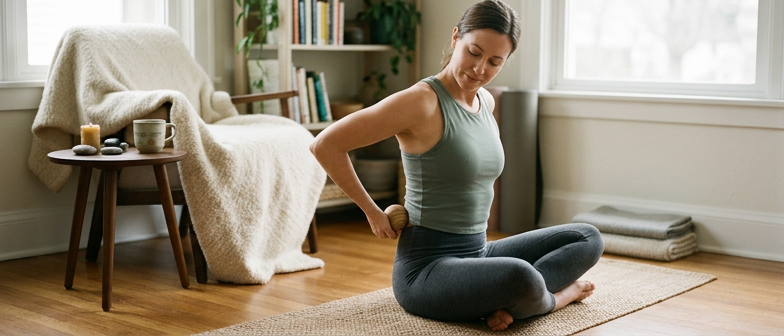
Hands-on treatments such as massage and spinal manipulation can also support a broader back pain relief plan. Therapeutic massage may loosen tight muscles, increase blood flow, and make it easier to move without stiffness, which many people experience as some of the best back pain relief during a flare. Chiropractors and some physical therapists use spinal manipulation or mobilization to improve joint motion and reduce pain signals from the lower back. These approaches are usually most helpful for mechanical back pain, such as muscle strain or joint irritation, and are not used for serious problems like fractures, infection, or cancer.
Mind–body movement practices such as yoga, tai chi, and Pilates are another form of body therapy that can support natural relief for ongoing back discomfort. Slow, controlled movements are combined with breathing and relaxation to improve flexibility, balance, and body awareness, which can reduce stress and muscle guarding around the spine. For some people, this combination becomes the best remedy for lower back pain because it addresses both physical tension and the anxiety that often comes with chronic pain. Most people do best starting with beginner classes or one-on-one guidance that can be adapted to back problems.
Choosing the Right Body Therapy for You
To find the body therapy that offers the best treatment for lower back pain in your case, begin with a clear diagnosis from a licensed medical professional. Ask whether your pain is acute or long‑lasting, whether there are nerve symptoms like leg weakness or numbness, and which movements aggravate it. Then discuss suitable hands‑on options such as physical therapy, therapeutic massage, chiropractic care, or osteopathic manipulation. Choose practitioners who are properly credentialed, experienced with lower back issues, and willing to coordinate with your primary provider rather than replace medical care.
Before starting, ask what results are realistic, how many sessions are typical, and what you should do at home between visits. Effective body therapy usually includes gentle movement, strengthening, and posture coaching you can practice yourself, not only passive treatments. Stop and seek medical help quickly if therapy sharply worsens pain or causes new tingling, bowel or bladder changes, or significant weakness.
Medications and When They Fit into a Natural Plan
Even in a natural back pain relief plan, medicine can have a cautious, short‑term role. Many people use over‑the‑counter options such as acetaminophen or nonsteroidal anti‑inflammatory drugs when a flare makes it hard to sleep, move, or work, and they want the best pain reliever for lower back pain they can use safely. These drugs can ease muscle spasm and calm inflammation, but they also carry risks like stomach irritation, kidney strain, or liver problems, especially with high doses or long use. Prescription medications, including stronger anti‑inflammatories, muscle relaxants, or short courses of nerve‑pain drugs, sometimes become part of the best treatment for lower back pain when basic self‑care is not enough. They are usually meant as a bridge to help you stay mobile while you commit to movement, posture changes, and other body‑based therapies, not as a stand‑alone fix.
If you are wondering about the best medication for lower back pain in your situation, it helps to see it as one tool that supports your body while natural strategies do the rebuilding. A clinician can match the drug and dose to your health history, other medicines, and the pattern of your pain, and also set a time limit so pills do not turn into a long‑term habit. In a natural plan, you use medicine to reduce pain just enough so you can walk, stretch, practice gentle body therapy, and retrain daily movements that stress your spine. Monitoring side effects, avoiding mixing multiple products without guidance, and regularly reassessing whether you still need medication keeps the focus on healing instead of simply masking an issue that calls for lifestyle change and active rehabilitation.
Q&A
-
When should I see a doctor instead of using home remedies for lower back pain?
Get urgent care for new leg weakness, groin numbness, loss of bladder or bowel control, fever, major recent trauma, cancer history, or pain that quickly worsens or lasts over a few weeks. -
What natural at‑home remedies can help relieve lower back pain?
Take short walks, avoid long bed rest, change positions often, use brief heat or cold, practice calm breathing, and keep regular sleep. Stop if pain shoots down the leg or suddenly spikes. -
How do I use heat and cold safely for the best relief after a back strain?
For the first 48 hours, apply cold 10–15 minutes several times daily with a cloth barrier. Then use low, gentle heat for similar short sessions. Never sleep on a heating pad or ice bare skin. -
Which body therapy is usually the best treatment for ongoing low back pain?
A tailored physical therapy plan is often the best remedy. It uses specific exercises, stretching, and posture work to ease pain, improve strength, and reduce future flares, coordinated with your clinician. -
What is a safe way to use medication as part of natural back pain relief?
If needed, take the lowest effective dose of over‑the‑counter medicine for the shortest time, avoid doubling similar drugs, and consider stomach, kidney, or liver risks. Pills should support movement and therapy, not replace them.
References
- https://www.niams.nih.gov/health-topics/back-pain/diagnosis-treatment-and-steps-to-take
- https://health.clevelandclinic.org/home-remedies-for-back-pain
- https://www.nhs.uk/conditions/back-pain/?source=post_page---------------------------
- https://www.nice.org.uk/guidance/NG59/chapter/recommendations
- https://my.clevelandclinic.org/health/diseases/7936-lower-back-pain